
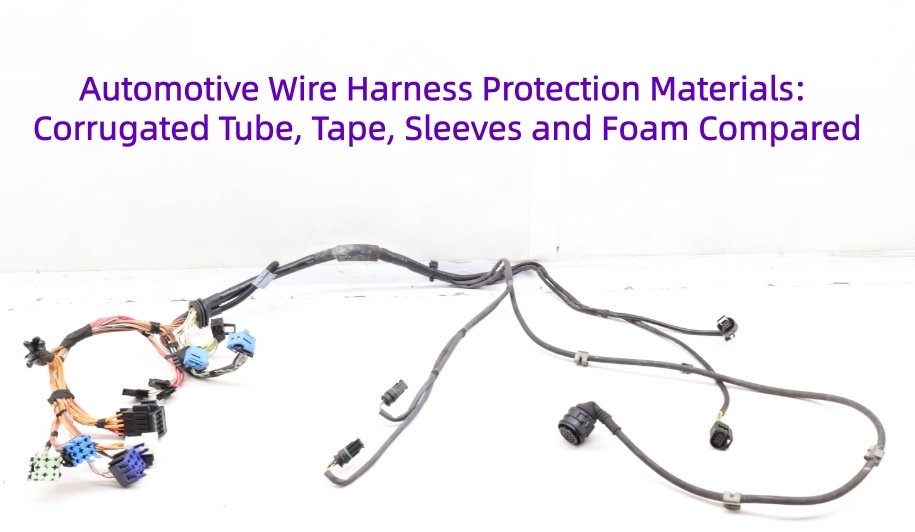
When I work with automotive wire harnesses, I often see engineers focus heavily on wire size, terminals, and connectors, while paying far less attention to the protection materials outside the harness. That is where the hidden problem begins. Even a well-designed harness can suffer from abrasion, rattling, thermal stress, or premature failure if the wrapping material is not chosen correctly. In automotive applications, different routing areas demand different levels of flexibility, noise control, heat resistance, and mechanical protection. I have seen cases where the wrong tape or sleeve caused unnecessary failures that could have been avoided with better material selection at the design stage. This is exactly why choosing between corrugated tube, tape, sleeves, and foam is more important than many people think. In this blog, I will break down these common automotive wire harness protection materials and share how I evaluate them in real applications.
The 8 key protection materials covered in this blog:
- PVC Tape
- Fleece Tape
- Cloth Tape
- Corrugated Tubing
- Aluminum Foil Fiberglass Cloth
- PVC Sleeves
- Braided Sleeving
- Foam Strips
Why Wire Harness Protection Materials Matter in Automotive Applications
In automotive wiring harness design, the outer protection material is not just an accessory. I treat it as part of the functional design of the harness. A harness routed near the engine, under the dashboard, along the body, or through door systems will face very different risks. These include abrasion, vibration, noise, heat exposure, bending stress, and contact with sharp edges or moving parts.
In our factory experience, many harness issues are not caused by the conductor itself, but by poor material matching in the outer layer. A harness may pass continuity and functional testing during production, yet still develop long-term problems in the vehicle because the wrapping material was not selected for the real installation environment.
The Main Risks Protection Materials Must Solve
When I evaluate wire harness protection materials, I usually focus on five main risks:
- Abrasion from contact with brackets, clips, or body edges
- Vibration-related wear during vehicle operation
- Heat exposure in high-temperature routing areas
- Rattling and noise in interior installation zones
- Reduced service life caused by repeated bending or movement
No single material solves every problem equally well. That is why the correct choice always depends on the routing area and the working conditions.
How I Compare Automotive Wire Harness Protection Materials
When comparing protection materials, I do not ask which one is universally best. I ask which one is best for a specific automotive wire harness application. A cabin harness may need stronger noise reduction, while an under-hood harness may need higher temperature resistance and better abrasion protection.
Key Selection Factors I Always Review
Before choosing tape, tubing, sleeving, or foam, I normally check:
- Routing path and bend radius
- Nearby heat sources
- Friction points and edge contact
- Need for anti-rattle performance
- Assembly convenience during production
- Cost balance for volume manufacturing
This approach helps avoid overdesign in low-risk areas and underprotection in critical zones.
1.PVC Tape
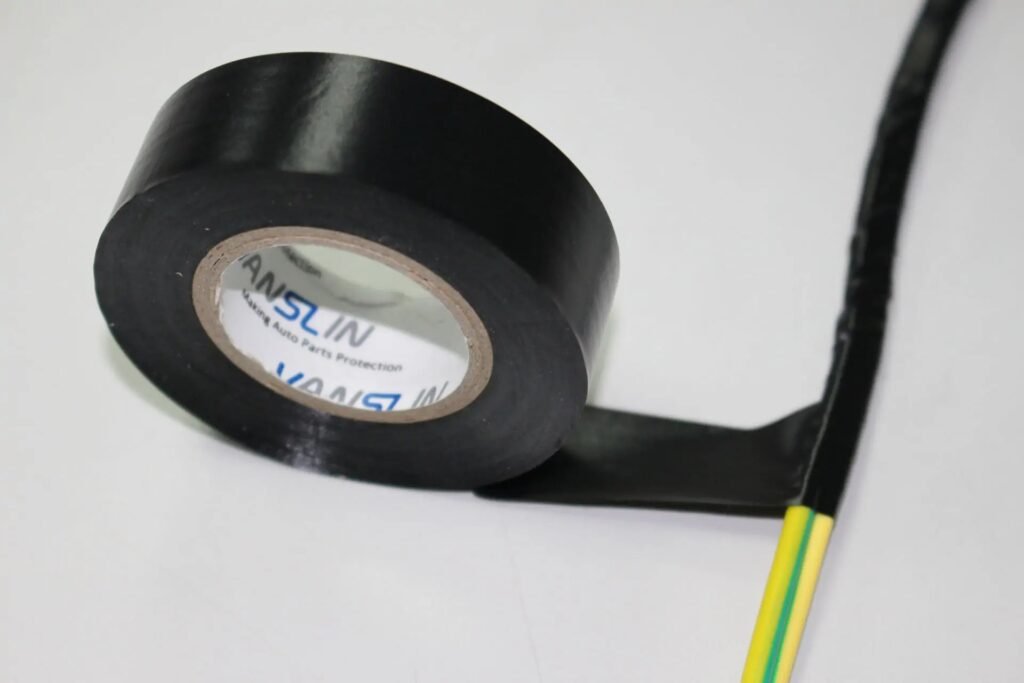
PVC tape is one of the most common and practical protection materials in automotive wire harness applications. It is mainly made from polyvinyl chloride and offers good conformability, which makes it easy to wrap around branches, transitions, and uneven harness shapes.
Where PVC Tape Works Best
I usually see PVC tape used in general harness bundling where the environment is not extremely demanding. It can perform reliably at around 105°C and is suitable for many interior and low-stress areas.
Advantages of PVC Tape
PVC tape provides:
- Good surface conformity
- Stable basic insulation support
- Simple application
- Cost-effective protection for standard areas
Limitations of PVC Tape
Its weakness is that abrasion resistance and noise reduction are only moderate. I would not rely on PVC tape alone in areas with repeated friction, strong vibration, or high NVH requirements.
2.Fleece Tape
Fleece tape is often used when noise reduction becomes more important. It is commonly based on PET material and can typically handle temperatures up to around 105°C.
Why Fleece Tape Is Popular in Interior Harnesses
In vehicle interiors, I often prefer fleece tape in areas where harnesses may contact plastic panels, brackets, or trim parts. Its biggest advantage is its anti-rattle and noise-damping performance.
Advantages of Fleece Tape
Fleece tape offers:
- Better noise reduction than PVC tape
- Good handling during assembly
- Excellent hand-tearability
- Suitable performance for many cabin harnesses
Limitations of Fleece Tape
Its abrasion resistance is usually not the highest, so I do not consider it the best option for all high-wear areas. It works best where NVH control matters more than extreme mechanical protection.
3.Cloth Tape
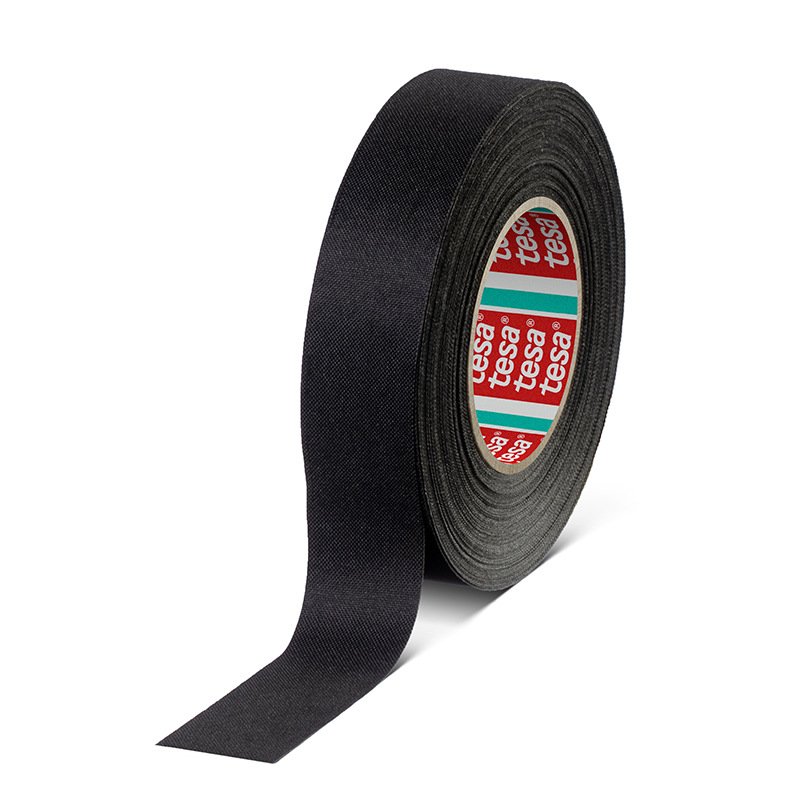
Cloth tape is another widely used harness wrapping material, also commonly made from PET-based structures, but designed for stronger mechanical and thermal performance.
Where I Prefer Cloth Tape
When I need a material that offers better abrasion resistance and higher heat resistance than standard PVC tape, cloth tape is often a better choice. Some types can withstand temperatures of around 150°C, which makes them more suitable for harsher automotive conditions.
Advantages of Cloth Tape
Cloth tape gives a strong balance of:v
- Good abrasion resistance
- Higher temperature capability
- Better durability in demanding routing areas
- Easy handling during harness assembly
Limitations of Cloth Tape
Its noise reduction is usually not as strong as fleece tape. So when the main problem is rattling or squeak prevention, I would still compare it carefully against fleece solutions.
4.Corrugated Tubing
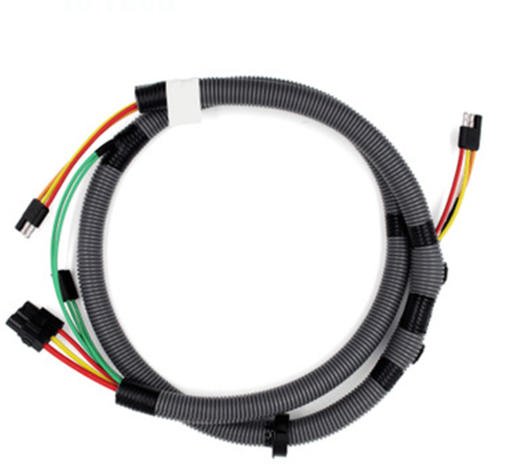
Corrugated tubing is one of the most recognizable and widely used automotive wire harness protection materials. Depending on the application, it can be made from PA, PE, or PP.
Common Corrugated Tube Materials and Temperature Ranges
In practical automotive use, I normally see the following material ranges:
- PA Corrugated Tube
- PA corrugated tubing typically offers a temperature range of about -40°C to 125°C. It is a strong option where better heat and mechanical durability are required.
- PE Corrugated Tube
- PE corrugated tubing generally works within -40°C to 85°C. It is more suitable for lower-temperature applications.
- PP Corrugated Tube
- PP corrugated tubing usually performs in the range of -30°C to 105°C and is commonly used in many standard vehicle harness designs.
Why Corrugated Tubing Is So Widely Used
Corrugated tubing remains popular because it provides:
- Strong abrasion resistance
- Good flexibility
- Good bendability
Reliable mechanical protection for harness bundles
In our manufacturing experience, corrugated tube is often the first choice for protecting harnesses routed through body structures, chassis areas, or other zones where physical wear is a real concern.
Limitations of Corrugated Tubing
The main trade-off is that it does not always offer the best compactness, surface appearance, or noise suppression. In tight packaging areas, tape or sleeving may be more practical.
5.Aluminum Foil Fiberglass Cloth
Aluminum foil fiberglass cloth is a more specialized protection material used when heat shielding becomes critical. It is mainly made from aluminum foil and fiberglass, and it can typically withstand temperatures of around 150°C.
When I Recommend Aluminum Foil Fiberglass Protection
I consider this material mainly for harnesses routed near strong heat sources. In automotive environments, that may include areas close to engine heat, exhaust-side thermal influence, or other radiant heat sources.
Main Benefits
This material offers:
- Good high-temperature resistance
- Useful radiant heat shielding
- Good converting and die-cutting capability
- Extra protection for heat-sensitive harness sections
Important Design Considerations
I do not use aluminum foil fiberglass cloth as a universal wrapping material. It is a targeted solution for thermal protection. If abrasion, flexibility, or noise reduction is the main issue, other materials are usually more appropriate.
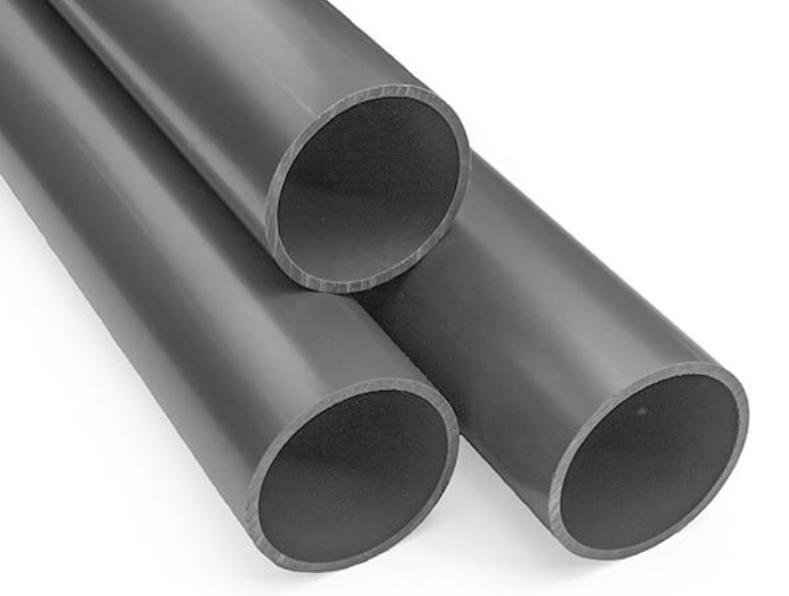
6.PVC Sleeves
PVC sleeves are valued for their softness and bending performance. They are especially useful in harness branches or areas where the routing shape requires more flexibility.
Best Uses for PVC Sleeves
I typically see PVC sleeves used in indoor or protected harness zones, especially where branches need to bend significantly without creating stress concentration.
Advantages of PVC Sleeves
PVC sleeves provide:
- Good softness
- Good bending resistance
- Useful shape adaptability
- Practical protection for interior branch sections
Limitations of PVC Sleeves
Their temperature resistance is generally below 80°C, so I would not recommend them for high-temperature automotive zones. They are more appropriate for controlled interior environments.
7.Braided Sleeving
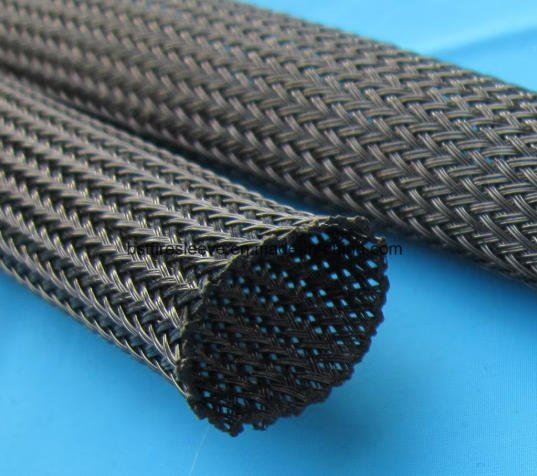
Braided sleeving is commonly made from PA66 and is a very useful option when flexibility, abrasion resistance, and airflow all matter.
Why Braided Sleeving Is Valuable
Braided sleeving usually performs in a temperature range of about -40°C to 150°C. It offers a good combination of wear resistance and thermal performance, while also helping maintain harness flexibility.
Where I Like to Use Braided Sleeving
I often consider braided sleeving for main harness trunks or applications where a looser protective structure is preferred. It can help improve handling, routing flexibility, and overall harness appearance.
Key Benefits of Braided Sleeving
Braided sleeving gives:
- Good abrasion resistance
- Strong heat resistance
- Better airflow and heat dissipation
- Improved flexibility for larger harness bundles
8.Foam Strips
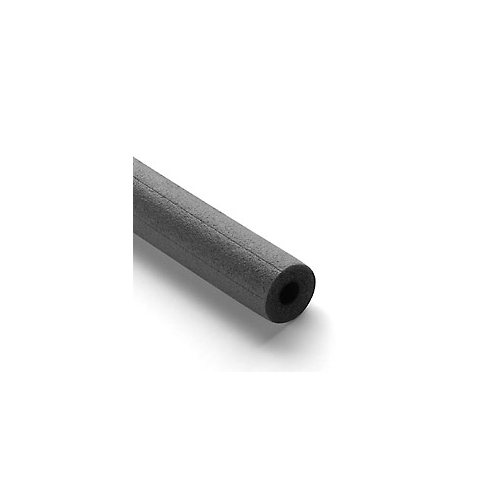
Foam strips are mainly used when the biggest concern is noise reduction. They are commonly made from PE, with acrylic adhesive used for attachment.
Why Foam Strips Are Important
I use foam strips mainly in areas where the harness may contact surrounding parts and create noise during vehicle operation. In these cases, the issue is not only protection, but also comfort and NVH performance.
Best Application Scenarios
Foam strips are especially useful for:
- Anti-rattle protection
- Noise-sensitive interior zones
- Contact points between harnesses and trim structures
- Cushioning in restricted installation spaces
A Practical Limitation
Foam strips are not designed to replace heavy-duty abrasion or high-temperature protection materials. Their value is primarily in cushioning and noise control.
How I Choose the Right Material for Different Harness Areas
In real projects, I rarely rely on only one protection material. The best automotive wire harness designs usually combine multiple materials based on the installation area.
For Interior and Noise-Sensitive Area
I usually look first at:
- Fleece tape
- Foam strips
- PVC sleeves
These materials are more suitable when noise reduction, softness, and flexibility are important.
For Abrasion-Prone Areas
I generally prefer:
- Corrugated tubing
- Cloth tape
- Braided sleeving
These options are more reliable where the harness may rub against surrounding structures or experience repeated movement.
For High-Temperature Zones
I normally focus on:
- Cloth tape with higher heat resistance
- PA corrugated tubing
- Braided sleeving
- Aluminum foil fiberglass cloth for thermal shielding
These materials are more appropriate when the harness is exposed to elevated ambient temperatures or radiant heat.
Common Mistakes I See in Material Selection
One of the most common mistakes is choosing based only on cost or familiarity. I have seen harnesses overwrapped with low-cost tape in areas that clearly required stronger abrasion protection. I have also seen bulky materials used in tight spaces where a sleeve or tape would have been a better fit.
Mistake 1: Ignoring the Real Installation Environment
A material that works well in the cabin may fail quickly near heat or friction points. The installation environment must always be reviewed first.
Mistake 2: Using One Material Everywhere
This may simplify purchasing, but it often creates performance compromises. A mixed-material design is usually more reliable.
Mistake 3: Focusing Only on Initial Assembly
Some materials are easy to install, but not ideal for long-term durability. I always balance production efficiency with field reliability.
Final Thoughts
From my experience, choosing the right automotive wire harness protection material is not a small detail. It is a key part of harness reliability, vehicle durability, and even cabin comfort. PVC tape, fleece tape, cloth tape, corrugated tubing, aluminum foil fiberglass cloth, PVC sleeves, braided sleeving, and foam strips all have their own strengths. The real challenge is understanding where each one performs best.
When I evaluate a wire harness design, I always match the protection material to the actual environment, not just the drawing. That is the most practical way to reduce wear, prevent noise, improve durability, and support long-term performance in automotive applications.
FAQ
1.What is the best material for automotive wire harness protection?
From my experience, there is no single best material for every automotive wire harness application. The right choice depends on the routing environment, temperature exposure, abrasion risk, flexibility requirements, and noise-control needs. Corrugated tubing is often preferred for strong mechanical protection, while fleece tape and foam strips are more suitable for noise-sensitive interior areas.
2.When should I use corrugated tubing instead of tape?
I usually recommend corrugated tubing when the harness needs stronger abrasion resistance and better protection against impact or edge contact. Tape works well for bundling and surface wrapping, but corrugated tube is often a better option in body routing areas, chassis sections, or other locations where the harness may rub against surrounding structures.
3.Is fleece tape better than PVC tape for automotive wire harnesses?
In many interior automotive applications, I find fleece tape better for noise reduction and anti-rattle performance. PVC tape is still a practical and cost-effective solution for general bundling, but if the main concern is reducing squeak and rattle, fleece tape is usually the better choice.
4.What protection material is suitable for high-temperature automotive areas?
For high-temperature zones, I normally look at cloth tape with higher temperature resistance, PA corrugated tubing, braided sleeving, or aluminum foil fiberglass cloth. The final choice depends on whether the main risk is ambient heat, radiant heat, abrasion, or a combination of these factors.
5.Are braided sleeves good for wire harness protection?
Yes. In my experience, braided sleeving is a very useful option when flexibility, abrasion resistance, and heat dissipation are all important. It is especially suitable for main harness trunks or applications where a looser, more flexible protection structure is preferred.
6.What is the role of foam strips in automotive wire harnesses?
Foam strips are mainly used for cushioning and noise reduction. I typically use them in areas where the harness may contact trim panels or adjacent components and create unwanted rattling during vehicle operation. They are not a replacement for heavy-duty abrasion protection, but they are very effective for NVH improvement.
7.Can one protection material be used for the entire wire harness?
I do not recommend that in most cases. Different sections of the same automotive wire harness often face very different working conditions. In real projects, I usually prefer a mixed-material solution, combining tape, tubing, sleeving, or foam based on the specific installation area.
8.How do I choose the right wire harness protection material?
I always start by reviewing the real application environment. That includes routing path, bend radius, nearby heat sources, friction points, movement, and noise-sensitive contact areas. Once these factors are clear, it becomes much easier to match the right protection material to the harness design.
Conclusion:
From my experience, choosing the right automotive wire harness protection material is never a minor detail. It directly affects harness durability, noise performance, installation efficiency, and long-term reliability in real vehicle applications. Corrugated tubing, fleece tape, cloth tape, PVC sleeves, braided sleeving, foam strips, and heat-shielding materials all have their own strengths, but none of them should be selected without considering the actual routing environment. I always believe the best solution comes from matching the material to the specific thermal, mechanical, and NVH demands of the harness location.
At Yihetai, we use this practical approach to help customers develop more reliable custom wire harness solutions for automotive and other demanding industries. With over 23 years of manufacturing experience, we support customers from material selection and prototype development to stable volume production. If you are looking for a trusted wire harness manufacturer, contact Yihetai to discuss your project and find the right solution for your application.
Read more: Automotive Wire Harness Protection Materials: Corrugated Tube, Tape, Sleeves and Foam ComparedRelated Wire Harness Articles:
- How to Choose Between Metal and Plastic Connector Housings for Your Cable Assembly Needs?
- How to Design a Custom Wire Harness for Harsh Environments?
- What Is Overmolding Cable Assemblies and How to Know When to Use It Effectively?
- How to Choose the Right Wire Harness for Industrial IoT Applications?
- Top 5 Things to Know About Coaxial Cables for OEM and Harness Design