
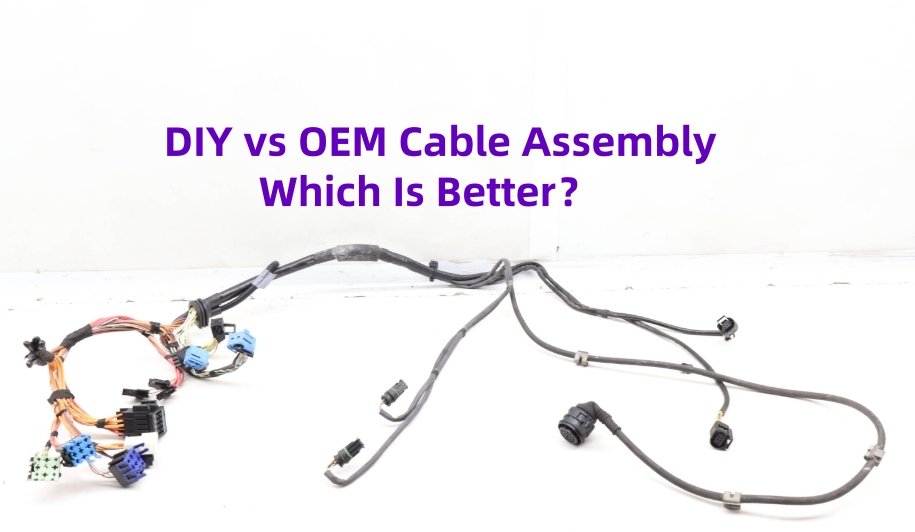
In my work with clients across many industries, I often find that cable assemblies are one of the most overlooked yet critical parts of any electrical system. A cable assembly is more than just a bundle of wires. It is the organized, protected pathway that ensures signals and power flow reliably to where they are needed.
When it comes to getting these assemblies made, there are two main routes. One is DIY, where you build them in house. The other is OEM, where you work with a specialized Original Equipment Manufacturer. On the surface, both can get the job done, but the differences run much deeper.
I have seen projects succeed and fail based on this choice alone. The method you choose will directly affect the quality, safety, and total cost of your system. In this post, I will compare DIY and OEM cable assembly so you can make the right decision for your needs.
What Is a DIY Cable Assembly?
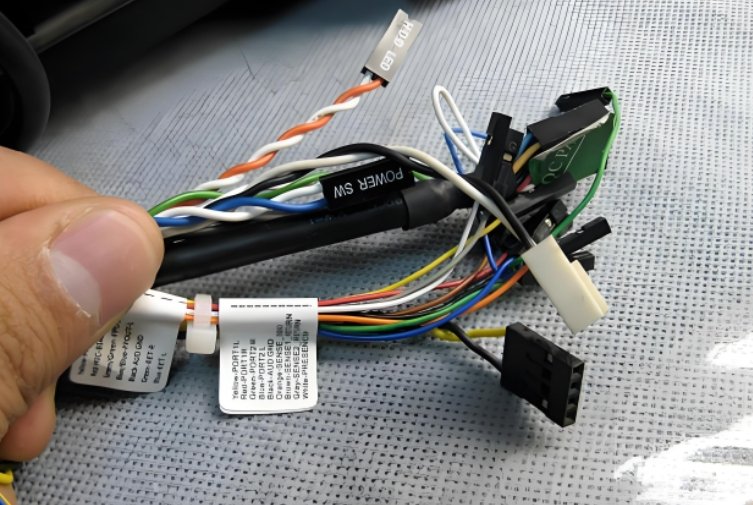
A DIY (Do It Yourself) cable assembly refers to the process where individuals or small teams manually create their own cable assemblies instead of purchasing pre-made or professionally manufactured ones. It involves selecting cable types, cutting wires to length, stripping insulation, crimping or soldering terminals and connectors, and assembling the wires into a harness or cable that meets specific functional needs.
DIY cable assembly is typically chosen for small projects, prototyping, repairs, or when customization, cost savings, and flexibility are priorities. It requires specific tools like wire strippers, crimpers, soldering irons, and connectors, as well as some technical know-how to ensure proper electrical performance and safety.
In contrast to OEM (Original Equipment Manufacturer) assemblies, DIY assemblies may vary in quality depending on the skills and equipment used, but they allow for more hands-on control and quick adjustments for personalized applications.
What Is an OEM Cable Assembly?
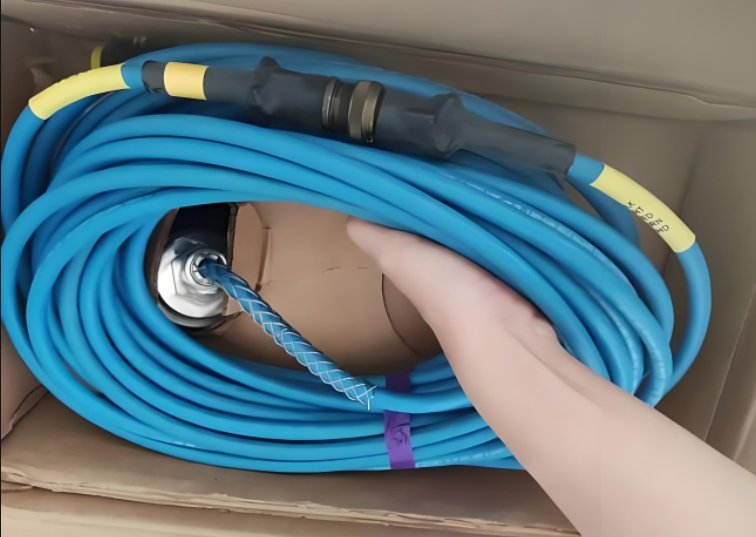
An OEM (Original Equipment Manufacturer) cable assembly is a professionally manufactured, custom-built wiring harness or cable bundle designed specifically for a particular piece of equipment or application. Unlike DIY assemblies, OEM cable assemblies are produced under strict quality standards and specifications to ensure optimal performance, reliability, and safety.
The manufacturing process involves multiple precise steps such as:
- Designing the assembly to meet exact electrical and mechanical requirements.
- Selecting appropriate materials including conductors, insulation, and protective jackets.
- Cutting, stripping, and terminating wires with connectors or terminals using automated and manual processes.
- Adding protective features like overmolding or heat-shrink tubing for strain relief and durability.
- Rigorous quality control tests including electrical continuity, insulation resistance, and dimensional inspections.
- Packaging according to customer or industry standards for traceability and safe shipment.
OEM cable assemblies are commonly used in critical industrial, automotive, medical, and aerospace applications where consistent quality, adherence to certifications, and long-term durability are essential. They come with warranties and manufacturer support, distinguishing them significantly from DIY cable assemblies.
What Are The Key Differences Between DIY And OEM Cable Assemblies?
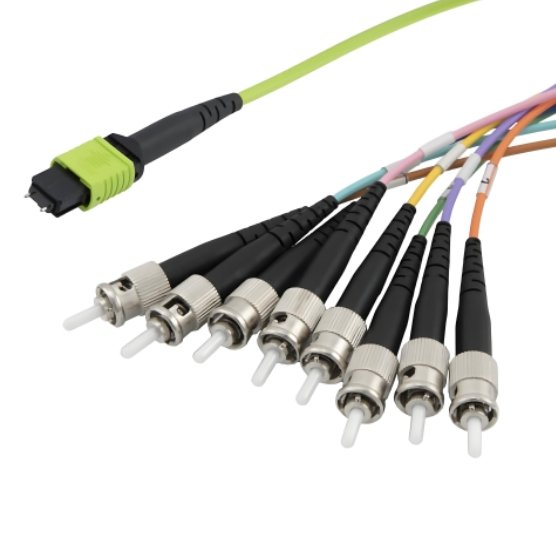
Understanding the key differences between DIY and OEM cable assemblies is essential before deciding which approach suits your project. While both methods can produce functional cables, their performance, cost efficiency, and long-term value can vary greatly depending on the scale, application, and compliance requirements.
When deciding between DIY and OEM cable assemblies, understanding the key differences can help you choose the best option for your needs. Both approaches have unique advantages and challenges across various factors:
Quality and Reliability
- DIY: Quality depends largely on the skill and tools of the assembler. Variations in manual assembly can lead to inconsistent performance, higher risk of defects, and shorter lifespan.
- OEM: Professionally manufactured under strict quality controls, OEM assemblies typically offer superior reliability, consistent performance, and are tested to meet industry standards.
Cost Considerations
- DIY: Often more cost-effective for small quantities or prototype projects since it avoids setup fees and bulk production costs.
- OEM: More economical for large production runs due to economies of scale, despite higher upfront costs for tooling and design engineering.
Total Cost of Ownership and Hidden Risks
While DIY cable assembly may appear cheaper at first, the true cost often goes beyond tools and raw materials. In-house assembly can introduce hidden expenses such as labor time, rework, inconsistent quality, downtime caused by failures, and the cost of troubleshooting in the field. By contrast, OEM cable assemblies usually involve higher upfront pricing, but they reduce long-term risk through standardized production, professional testing, compliance support, and better reliability. For projects where performance and consistency matter, evaluating the total cost of ownership rather than only the initial price often shows that OEM is the more cost-effective solution over time.
Lead Times and Scalability
- DIY: Faster turnaround for small quantities or urgent repairs, but limited scalability for large or complex assemblies.
- OEM: Longer initial lead times due to design, approval, and production setup, but highly scalable and efficient for volume manufacturing.
Compliance with Industry Standards and Certifications
- DIY: Typically lacks comprehensive testing or certifications, making it less suitable for regulated or high-risk applications.
- OEM: Can be engineered to comply with relevant certifications (UL, RoHS, IATF 16949, MIL-SPEC), ensuring safety, compatibility, and regulatory adherence.
Traceability, Documentation, and After-Sales Support
- DIY: Limited or no formal traceability and documentation; support often informal or unavailable.
- OEM: Detailed documentation, lot traceability, and customer support are integral, facilitating quality assurance, warranty claims, and maintenance.
What Hidden Costs Should You Consider Beyond Initial Price?
When comparing DIY and OEM cable assemblies, the upfront price is only part of the equation. Many projects that appear cheaper at the beginning become more expensive over time due to hidden costs. In a DIY approach, these costs may include labor time, tooling investment, assembly errors, rework, material waste, and troubleshooting in the field. If a cable fails after installation, the real expense often comes from downtime, replacement labor, and potential damage to connected equipment.
OEM cable assemblies may require a higher initial investment, especially during the design and sampling stage, but they often reduce the total cost of ownership in the long run. Professionally manufactured assemblies are built with repeatability, tested for performance, and supported by documentation and traceability. This helps minimize quality issues, reduce maintenance frequency, and improve reliability across larger production runs. For businesses that value consistency, compliance, and long-term cost control, OEM is often the more economical solution overall.
What Are The Pros And Cons Of DIY Cable Assemblies?
Choosing to build your own cable assemblies offers several distinct advantages but also comes with some limitations. Below is a detailed table summarizing the pros and cons of DIY cable assemblies:
| Pros | Cons |
| Cost Savings: DIY avoids professional labor costs, reducing upfront expenses, especially for small projects or prototypes. | Quality Variability: Inconsistent workmanship can lead to defects or performance issues due to lack of professional tools and expertise. |
| Customization: You control cable length, connectors, and configuration tailored precisely to your needs. | Time-Consuming: Assembling, testing, and troubleshooting cables manually can be labor-intensive and slow. |
| Hands-On Learning: Building your own assemblies provides valuable technical knowledge and practical skills. | Lack of Certifications: DIY cables rarely meet industry standards or certifications necessary for regulated or critical applications. |
| Flexibility: Changes and adjustments can be made quickly without waiting on suppliers. | Limited Scalability: DIY isn’t practical for large production runs or complex, high-reliability systems. |
| Immediate Availability: Enables quick repairs or emergency cable creation without supplier lead times. | No Formal Support: Limited documentation, traceability, or warranty, making troubleshooting and maintenance challenging. |
What Are The Pros And Cons Of OEM Cable Assemblies?
When considering cable assemblies for your project, understanding the advantages and disadvantages of OEM (Original Equipment Manufacturer) cable assemblies can help guide your decision. OEM cable assemblies are professionally designed and manufactured to meet precise specifications, offering benefits in quality and reliability, but they also come with some trade-offs.
| Pros | Cons |
| High Quality & Reliability: Manufactured under strict quality control with tested materials and processes, ensuring consistent and durable performance. | Higher Cost: Custom specifications, superior materials, and quality assurance increase upfront costs compared to DIY or generic alternatives. |
| Customization: Tailored to exact design requirements including conductor size, insulation, shielding, and jacket materials, meeting application-specific needs. | Longer Lead Times: Customized design, prototyping, testing, and production can extend time to market compared to off-the-shelf or DIY options. |
| Compliance & Certification: Meets industry standards and certifications (UL, RoHS, IATF 16949, etc.), crucial for regulated and mission-critical applications. | Less Flexibility for Quick Changes: Once in production, making design changes can be costly and time-consuming. |
| Traceability & Documentation: Complete records, testing reports, and traceability maintain quality assurance and support after-sales service. | Minimum Order Quantities: OEMs may require larger order quantities to justify tooling and setup costs, less suited for very small runs. |
| Technical Support & Warranty: Professional engineering support, warranty coverage, and ongoing customer service add value and peace of mind. | Dependency on Supplier: Relying on an OEM means potential risks if supplier performance issues arise, impacting supply chain reliability. |
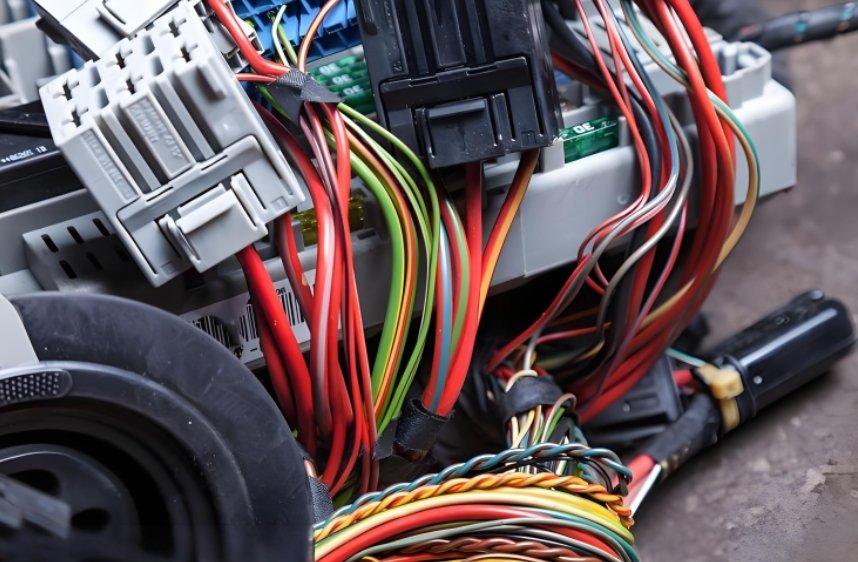
Use Case Scenarios: When to Choose DIY vs OEM
Choosing between DIY and OEM cable assemblies depends heavily on the specific use case and project requirements. Here are some common scenarios that illustrate when each option is most suitable:
Hobbyist or Experimental Projects Suited for DIY
DIY cable assemblies are ideal for hobbyists, makers, or engineers prototyping ideas where quick, low-cost, and highly customizable solutions are needed. These projects often have limited quantities and tolerate some variability in quality.
High-Reliability Industrial, Aerospace, Medical Applications Requiring OEM
OEM assemblies are the best fit for critical applications demanding strict compliance with safety standards, traceability, and rigorous testing. Industries like aerospace, medical devices, automotive, and industrial automation prioritize OEM solutions to assure reliability and longevity.
Cost-Sensitive but Quality-Critical Applications
When budgets are tight but quality cannot be compromised (e.g., commercial electronics, consumer devices), OEM offers scalable production with consistent quality, cost benefits from volume manufacturing, and warranty assurance.
Urgent Needs and Prototype Development Contexts
DIY can work well for rapid prototypes or emergency repairs due to its flexibility and quick turnaround. For iterations requiring tighter specifications and volume production, transitioning to OEM is advisable once the design is validated.
What Are The Tips For Successful DIY Cable Assembly?
If you decide that DIY cable assembly is the right path for your project, preparation and attention to detail are essential. With the right tools, careful work habits, and proper testing, you can improve your chances of creating reliable assemblies that perform well.
Essential Tools and Best Practices
Invest in quality tools such as precision wire strippers, crimping tools, soldering equipment, and heat shrink tubing. Use proper cable management techniques to keep wiring organized and reduce strain on connectors. Follow a clear wiring diagram and document every step for repeatability.
Common Pitfalls and How to Avoid Them
One of the most common mistakes is using the wrong connector type or failing to crimp properly, which can lead to loose connections. Avoid over-stripping wires or overheating insulation during soldering. Always verify material compatibility with the intended operating environment.
Quality Testing at Home
Even in a DIY setting, basic quality checks are vital. Use a multimeter to verify continuity, check for shorts, and ensure correct polarity. Perform simple mechanical tests such as gentle pull checks on connectors. For higher reliability, consider investing in a small-scale cable tester to detect hidden faults before the assembly goes into service.
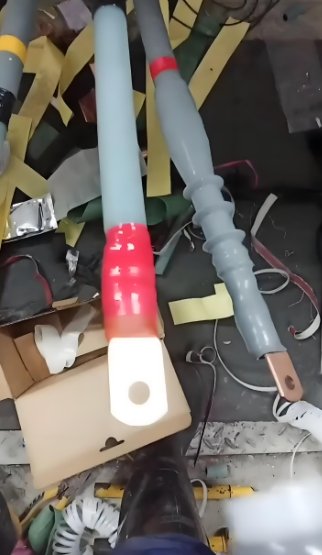
How to Engage with OEM Suppliers
Engaging effectively with OEM suppliers is key to successfully sourcing high-quality cable assemblies tailored to your specific needs. Here is what you should know about the process and how to communicate effectively with your OEM supplier:
What to Expect from the OEM Process
- The OEM process typically starts with consultation and detailed review of your design and technical requirements.
- Expect collaboration on material choice, cable specifications, connector types, and environmental conditions.
- The supplier will produce prototypes or samples for your approval before moving into full production.
- Quality control steps at multiple points ensure compliance with industry standards, with documentation and traceability.
- Production involves cutting, stripping, terminating, overmolding, and comprehensive testing including electrical and visual inspections.
- Lead times may vary depending on complexity, quantity, and testing needs, but communication about timelines is part of standard service.
How to Communicate Your Requirements Clearly
- Provide clear, detailed specifications including wiring diagrams, connector part numbers, cable lengths, and environmental requirements.
- Include any relevant certification requirements (e.g., UL, RoHS, IATF 16949) and testing protocols.
- Specify packaging preferences and labeling needs for inventory or field management.
- Maintain open lines of communication for clarifications, changes, or updates during quoting and production.
- Use written documentation and drawings to avoid misunderstandings.
Importance of Samples and Testing
- Request initial samples to validate fit, function, and quality.
- Conduct your own visual and functional inspections, such as continuity testing and durability assessments.
- Use feedback from samples to fine-tune design or requirements early.
- Insist on supplier-provided test reports and certificates to verify conformance.
- Periodic testing during production runs helps maintain quality and catch issues early.
Yihetai’s Role in OEM Cable Assembly
Choosing the right OEM partner can make the difference between a cable assembly that simply works and one that delivers reliable performance for years. At Yihetai, we have built our reputation on technical expertise, strict quality control, and a customer-focused approach that ensures every project meets its goals.
23+ Years of Experience in Design, Production, and Testing
With more than two decades in the industry, we understand the challenges across automotive, renewable energy, medical, and industrial sectors. Our team provides end-to-end support, from concept design and engineering to precision manufacturing and 100% product testing.
In-House Material Development and Compliance with Industry Standards
We develop and process our own materials, which allows us to control quality at every stage. All production follows ISO9001, UL, and IATF16949 standards, ensuring compliance, safety, and traceability.
Flexibility for Both Low-Volume and High-Volume Orders
Whether you need a small batch of prototypes to validate a design or large-scale production for global distribution, we have the capacity and flexibility to deliver on time without compromising quality.
Conclusion
After comparing both approaches, I believe the right choice depends entirely on your project’s complexity and risk level. DIY can be a workable option if you are dealing with a simple, low risk, one time project and you have the right tools and skills in house.
However, when performance, safety, or scale matters, I always recommend going with an OEM partner. High performance assemblies, safety critical systems, and large production runs require precision manufacturing, strict quality control, and full compliance with industry standards. These are areas where a trusted OEM like Yihetai can truly make a difference.
With over 23 years of experience, advanced equipment, and 100% testing on every product, my team can deliver a custom cable assembly that matches your exact needs and exceeds your expectations. Contact me today to discuss your project and find the solution that will perform reliably for years to come.
Read more: DIY vs OEM Cable Assembly Which Is Better?Related Blog:
- How to Select the Right Connector for Your Cable Harness?
- How to Design Safe and Reliable Low Voltage Cables?
- How to Ensure Waterproofing in Cable Assemblies?
- How to Design a Custom Wire Harness for Harsh Environments?
- How to Choose Between Metal and Plastic Connector Housings for Your Cable Assembly Needs?