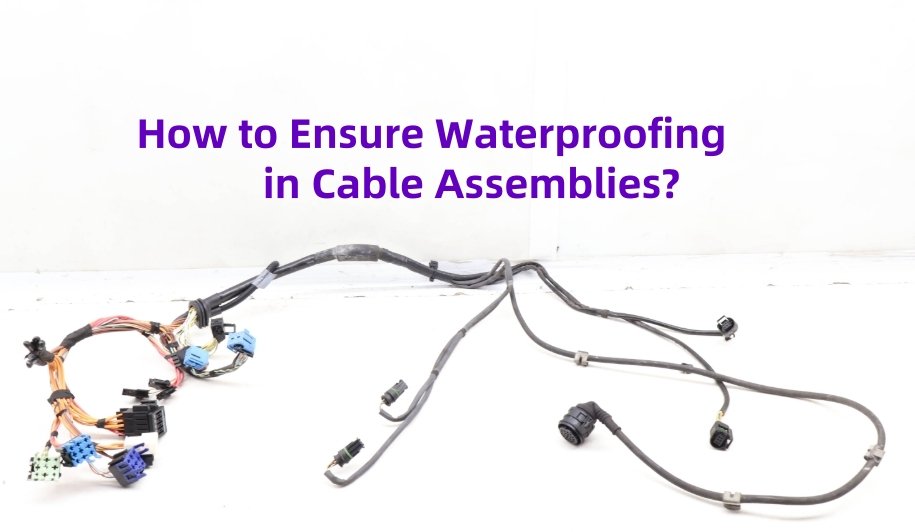
When I work on cable assemblies for outdoor, marine, automotive, or industrial use, I know that waterproofing is not just an option. It is a necessity. In these environments, cables face constant threats from rain, humidity, saltwater, and temperature changes, and even a small amount of moisture can cause serious problems.
I have seen what happens when waterproofing is neglected. Corrosion damages conductors, short circuits cause unexpected shutdowns, and entire systems fail long before their intended service life. These problems lead to costly repairs, downtime, and in some cases, safety hazards.
That is why at Yihetai we take waterproofing very seriously. With years of experience producing waterproof harnesses for industries worldwide, I make sure every design is sealed, tested, and prepared for real world conditions. In this post, I will share how you can ensure your cable assemblies remain fully protected no matter where they are used.
What are Waterproof Cable Assemblies?
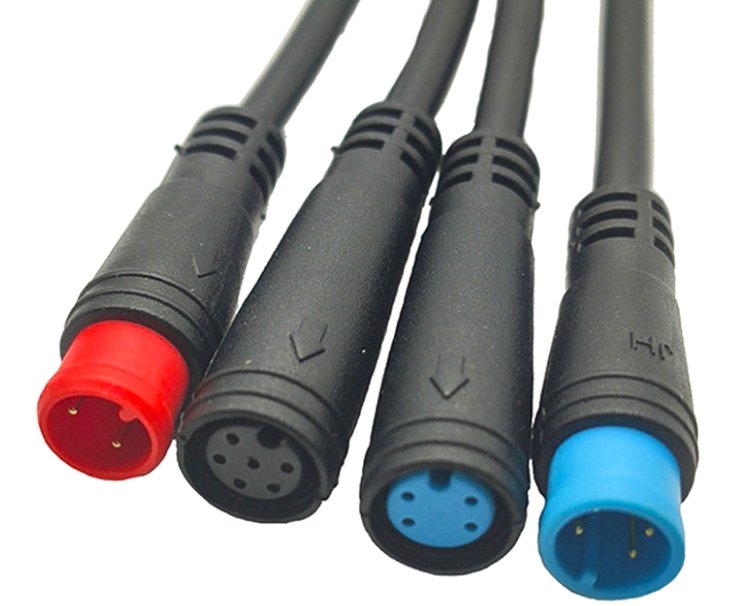
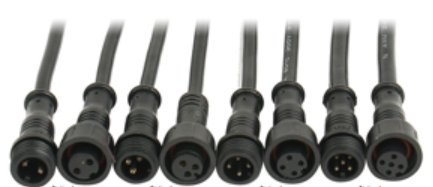
Waterproof cable assemblies are specially designed electrical cable systems that prevent water ingress, ensuring reliable performance even in wet, submerged, or harsh outdoor environments. These assemblies have key characteristics such as sealed connectors, overmolded or ruggedized cable jackets, and materials resistant to moisture, corrosion, and temperature extremes.
Common Applications
Waterproof cable assemblies are widely used in industries where exposure to water and harsh conditions is common, including:
- Automotive (e.g., engine compartments, sensors)
- Marine and boating (e.g., navigation systems, lighting)
- Outdoor lighting and signage
- Renewable energy (e.g., solar panels, wind turbines)
- Industrial equipment exposed to moisture or washdown environments
IP Ratings Overview
Ingress Protection (IP) ratings define the degree of protection equipment offers against solids like dust and liquids such as water. For waterproof cable assemblies, common IP ratings include:
- IP65: Dust-tight and protected against low-pressure water jets from any direction; suitable for general outdoor use without full immersion.
- IP67: Dust-tight and protected against temporary immersion in water up to 1 meter depth for 30 minutes; ideal for devices occasionally submerged or exposed to heavy rain.
- IP68: Dust-tight and protected against continuous immersion beyond 1 meter, with specific depth and time defined by the manufacturer; used in permanently submerged or very wet conditions.
- IP69K: Highest rating with protection against dust and high-pressure, high-temperature water jets; ideal for food processing, industrial washdowns, and military use.
What Factors Affect Waterproofing?
When I design or evaluate a waterproof cable assembly, I know that achieving reliable sealing is never about a single component. Waterproofing depends on a combination of design choices, material quality, and manufacturing precision. Even a well-rated connector can fail if the assembly process overlooks small but critical details.
1.Connector Design and Quality
The choice of waterproof connectors, including sealing rings, gaskets, or molded housings, is the foundation of effective waterproofing. Poor-quality or counterfeit connectors can compromise the entire assembly.
2.Sealing Methods
Techniques such as overmolding, adhesive-lined heat shrink tubing, and potting must be applied correctly to prevent moisture ingress at cable entry points and terminations.
3.Material Selection
Cable jackets and insulation materials must resist moisture, UV radiation, chemicals, and temperature extremes to maintain long-term protection.
4.Assembly Precision
Proper crimping, correct seal positioning, and accurate cable cutting ensure that waterproofing features function as designed.
5.Environmental Conditions
Exposure to saltwater, extreme temperatures, vibration, or high-pressure washdowns can all impact waterproof performance, making correct IP rating selection essential.
What Are The Key Waterproofing Methods In Cable Assemblies?
In my experience, the most reliable waterproof cable assemblies are built using a combination of proven sealing techniques rather than relying on a single method. Each method plays a specific role in preventing moisture ingress, and the right choice depends on the application, environmental exposure, and service requirements. Here are the 5 keys waterproofing methods I recommend and often use in our projects.
1.Sealed Connectors
Waterproof connectors like TE AMP Superseal, Molex sealed series, and certain waterproof JST models incorporate integrated seals such as gaskets and O-rings. These connectors are designed to mate tightly, sealing the interface to block moisture and contaminants. Proper mating and correct installation of these connectors are essential to maintain effective moisture resistance.
2.Overmolding
Overmolding involves encapsulating cable terminations and connector interfaces in molded plastic or rubber. This process creates a continuous, durable sealing layer around critical areas, enhancing moisture sealing and increasing mechanical strength and strain relief. Overmolding is highly effective for permanent waterproofing in harsh environments.
3.Heat-Shrink Tubing with Adhesive Lining
Adhesive-lined heat-shrink tubing shrinks tightly around cables and connector joints when heated, while the internal adhesive melts to create a watertight seal. This method protects against water entry and provides electrical insulation. Best practices include proper sizing of tubing and thorough heat application to ensure complete sealing without gaps.
4.Gaskets and O-Rings
Mechanical seals like gaskets and O-rings are commonly used in connectors and enclosures to prevent water ingress at mating surfaces. These elastomeric components compress to form a tight barrier against moisture, are often replaceable, and allow disassembly and maintenance without compromising waterproofing.
5.Potting and Encapsulation
Potting involves filling connector housings or cable terminations with epoxy, silicone, or urethane compounds that cure into solid, waterproof masses. This method creates permanent seals, offering superior protection against water, dust, and vibration, but typically eliminates the ability to rework or service the assembly.
What Materials Are Commonly Used For Waterproofing?
From what I have seen in real-world projects, the success of a waterproof cable assembly often depends as much on material selection as on sealing techniques. The right materials ensure that the assembly not only resists water but also stands up to temperature changes, UV exposure, and long-term wear. Choosing the wrong material can result in premature failure, even if the sealing method is perfect.
When it comes to waterproofing cable assemblies, the choice of materials plays a crucial role in ensuring durability, flexibility, and effective moisture resistance. Commonly used materials are selected based on their ability to withstand water ingress, temperature fluctuations, chemical exposure, and mechanical stresses.
- PVC (Polyvinyl Chloride): A popular and cost-effective material for cable jackets and overmolding, offering excellent moisture resistance and flexibility. PVC is widely used due to its durability and ability to bond well with cable jackets, helping create water-tight seals.
- Polyurethane (PU): Known for superior abrasion resistance and flexibility, polyurethane jackets and overmolds provide enhanced protection in harsh environments with exposure to water and chemicals.
- Polyethylene (PE) and High-Density Polyethylene (HDPE): Often used as inner water-blocking layers or cable jackets, these materials have low moisture absorption and high chemical resistance, making them effective barriers against water ingress.
- Santoprene and Rubber Compounds: Used in overmolds and sealing elements like gaskets and o-rings, these elastomers provide flexible, compressible seals that prevent water penetration while withstanding temperature fluctuations.
- Silicone Elastomer: Widely used for gaskets, O-rings, and sealants due to its excellent elasticity, temperature tolerance, and waterproof sealing capabilities.
- Heat-Shrink Tubing (Polyolefin) with Adhesive Liner: Polyolefin tubing shrinks tightly when heated, while the adhesive lining bonds to cable surfaces, creating a robust water-tight seal around connectors and splices.
- Epoxy and Polyurethane Resins: Employed in potting and encapsulation to create permanent, impermeable seals for connectors or cable ends needing rugged waterproofing.
- Metals for Connectors: Nickel-plated brass and stainless steel are common for connector shells in waterproof cable assemblies due to their corrosion resistance in wet environment.
How Is Testing And Quality Assurance Conducted For Cable Assemblies?
Testing and quality assurance are critical steps in ensuring that a waterproof cable assembly truly delivers the level of protection it was designed for. Even the best materials and sealing methods can fail if the assembly process introduces defects, so thorough verification is essential before the product goes into service. Here are 8 main testing methods used to confirm waterproof performance and overall reliability.
1.Ingress Protection (IP) Testing
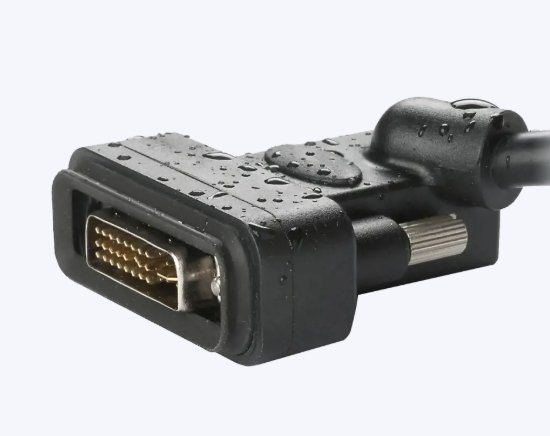
Assemblies undergo immersion or water jet tests based on IP ratings, e.g., IP65, IP67, IP68. For IP67, assemblies are submerged up to 1 meter deep for 30 minutes and checked for water ingress.
Water spray or jet tests check resistance to water impact and penetration in real-world conditions.
2.Pressure Decay and Vacuum Leak Testing
Non-destructive tests apply pressure or vacuum to detect leaks in sealed connectors and cable joints, identifying microscopic holes or weak seals without damaging the assembly.
3.Bubble Test
A cable end is pressurized while submerged in water or alcohol; escaping bubbles indicate leaks. It’s a simple method to verify sealing integrity.
4.Water Absorption Tests
Samples of cable jacketing or complete assemblies are soaked to measure water uptake, assessing how materials perform over prolonged wet exposure.
5.Salt Spray (Fog) Testing
Simulates corrosive marine or industrial environments by exposing assemblies to a fine mist of saltwater over extended periods; tests material resistance to corrosion.
6.Mechanical Tests
Pull, bend, and flex tests evaluate the mechanical strength of cable assemblies and the durability of seals and terminations during handling and operation.
7.Electrical Testing
Continuity, insulation resistance, and hipot tests ensure electrical integrity hasn’t been compromised by moisture or assembly defects.
8.Visual Inspection and Dimensional Checks
Ensure correct assembly, proper sealing materials, no gaps or exposed wires, and compliance with design specifications.
What Additional Waterproofing Methods Are Used For Cable Assemblies?
In some projects, standard waterproofing methods like sealed connectors or overmolding are not enough, especially when the cable assembly has irregular shapes, exposed joints, or must withstand extreme environments. In these cases, I apply additional techniques to enhance protection and extend service life.
In addition to the basic waterproofing techniques, 8 advanced and supplementary methods are used to enhance the water resistance and durability of cable assemblies:
1.Water-Blocking Tapes and Gels
Water-blocking tapes or gel-filled layers inside cables prevent moisture migration along the cable length by absorbing or sealing water, crucial for long cable runs and underground installations.
2.Cable Glands and Seals
Waterproof cable glands made from rubber or polymer materials provide a sealed entry point where cables enter enclosures or devices, preventing water ingress at these vulnerable junctions.
3.Hermetic Sealing
For extremely demanding environments, hermetic seals use glass or ceramic materials fused to metal housings to create a completely airtight and waterproof barrier.
4.Ultrasonic Welding or Heat Sealing
Instead of adhesives, ultrasonic welding or heat sealing bonds plastic parts of assemblies creating seamless, permanent waterproof seals without potential adhesive degradation.
5.Multi-Layer Jackets and Armor
Using multiple layers including inner waterproof membranes, protective armoring, and outer rugged jackets improves waterproof performance and mechanical protection.
6.Use of Compatible Materials
Selecting materials for overmolding, jackets, and seals that chemically bond and adhere well ensures water-tight transitions, reducing the risk of leaks due to poor material interfaces.
7.Redundant Sealing Systems
Employing two or more sealing methods (e.g., gaskets combined with heat-shrink adhesive tubing) increases reliability by providing backup barriers against moisture ingress.
8.Custom Molded Boots and Bellows
Specialized molded rubber boots or bellows cover vulnerable connector-cable interfaces providing flexible waterproof protection while allowing mechanical movement.
How Yihetai Ensures Waterproof Cable Assemblies
From my years at Yihetai, I have learned that achieving true waterproof performance in cable assemblies requires the perfect combination of the right components, precise manufacturing processes, and rigorous quality control. It is not enough to simply use a waterproof connector because every stage from design to final testing must be handled with expertise and consistency.
Experience with TE, Molex, and JST Waterproof Connectors
We regularly work with trusted waterproof connector solutions such as TE AMP Superseal, Molex sealed series, and JST JWPF and similar models. Our engineering team understands the unique assembly requirements of each brand, from proper seal positioning to torque control on mating parts. This expertise ensures that the connector sealing features perform exactly as designed in real world conditions.
Strict Adherence to ISO9001, UL, and IATF16949 Standards
All our waterproof cable assemblies are produced under a certified quality management system. We strictly follow ISO9001:2015, UL, and IATF16949 procedures to ensure every unit meets the highest standards for electrical performance, durability, and safety. These certifications reflect our commitment to traceability, process control, and continuous improvement in manufacturing.
Ability to Deliver Both Low Volume Prototypes and High Volume Production with Consistent Quality
Whether a customer needs a few prototypes for testing or thousands of assemblies for mass production, we maintain the same level of quality control. Our flexible production lines allow us to handle quick turn low volume orders and scale up to high volume runs without compromising waterproofing integrity. Each assembly is inspected and tested for sealing effectiveness, ensuring consistent performance from the first piece to the last.
Conclusion
After working with cable assemblies in so many different applications, I know that proper waterproofing is essential for long-term reliability and safety. Whether the cables are used outdoors, in marine environments, or in heavy-duty industrial settings, effective sealing protects against corrosion, short circuits, and premature system failure.
Choosing the right materials, connectors, and sealing methods is not something to leave to guesswork. Every project has unique challenges, and consulting an experienced professional can help you avoid costly mistakes and ensure that your design performs as intended.
At Yihetai, I work with customers to create waterproof cable assemblies that meet their exact requirements. We combine proven techniques, high quality components, and rigorous testing to deliver solutions that last. If you want a cable assembly that can stand up to moisture, harsh environments, and years of use, contact me and my team today.