
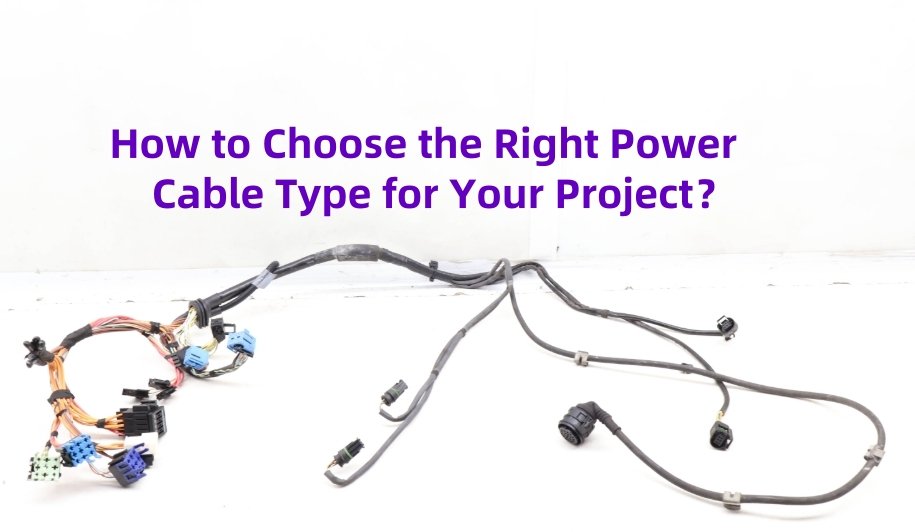
Have you ever run into unexpected equipment failures, overheating wires, or unstable power performance? If yes, the root cause might be something as simple as using the wrong power cable. Many people underestimate how important it is to choose the correct cable for their project, but getting it wrong can lead to serious consequences.
I’ve seen projects delayed, machines damaged, and budgets blown simply because the cable type didn’t match the voltage, current, or working environment. From industrial systems to home electronics, the wrong cable can quietly cause big problems.
That’s why I’m writing this blog. I want to help you avoid costly mistakes by guiding you through how to choose the right power cable type for your specific needs. At Yihetai, we’ve spent over 23 years providing custom cable and wire harness solutions across industries. Let me share what we’ve learned so your next project runs safely and smoothly.
1.Understand the Requirements of Your Project
Understanding the specific requirements of your project is the first and most crucial step in choosing the right power cable type. Each project has unique electrical and environmental demands that directly influence which power cable will perform safely and efficiently over time. Carefully analyzing these requirements ensures that the cable selected can handle the operational stresses and external conditions it will face, preventing failures and optimizing performance.
Voltage and Current Ratings
Power cables must be matched to the voltage and current levels of your project to ensure safe and reliable power transmission. Using a cable with insufficient voltage rating can lead to insulation breakdown and electrical hazards. Similarly, the cable’s current-carrying capacity (ampacity) must be adequate to prevent overheating, which could degrade the cable or cause fire risks.
Indoor vs. Outdoor Usage
The application environment significantly affects cable choice. Indoor cables generally face less exposure to harsh conditions, allowing for lighter insulation and simpler construction. Outdoor cables require robust protective layers to withstand UV radiation, rain, wind, and temperature extremes. Choosing the appropriate cable based on location safeguards performance and prolongs cable life.
Environmental Factors (Temperature, Moisture, Chemicals)
Environmental conditions such as ambient temperature, moisture levels, and potential chemical exposure influence cable materials and design. High temperatures may require cables with heat-resistant insulation, while wet or damp environments need waterproof or water-resistant cables. Chemical exposure, common in industrial settings, demands cables with special protective jackets resistant to corrosion and degradation.
Flexibility and Movement Needs (Static or Dynamic Use)
The cable’s physical flexibility depends on whether it will remain stationary or be subject to frequent movement. Static installations can use stiffer cables, whereas dynamic applications such as robotics or machinery that moves require flexible, highly durable cables that can withstand bending, twisting, and continuous motion without damage.
Space Constraints and Installation Conditions
Limited space and specific installation conditions like tight conduits or complex routing necessitate selecting cables with smaller diameters or specialized constructions. Understanding these physical constraints helps in choosing cables that fit seamlessly into the project’s architecture without compromising electrical performance or ease of installation.
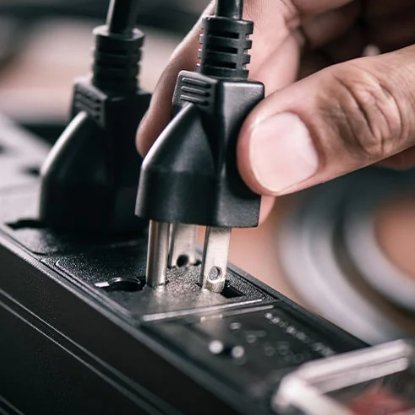
2.Know the Different Types of Power Cables
a.Low Voltage vs. High Voltage Power Cables
Low voltage cables are widely used in consumer electronics, lighting, and household appliances, where power demands are modest. High voltage cables, on the other hand, are critical in heavy industries, energy storage, and electric vehicles (EVs), where they must safely transmit large amounts of power.
b.Consumer Electronics vs. Industrial or EV Applications
In consumer devices, cables are usually designed for compactness, safety, and user convenience. Industrial and EV applications require robust cables capable of handling high currents, extreme conditions, and long lifespans.
c.Single-Core vs. Multi-Core Cables
Single-core cables are straightforward and ideal for simple power delivery. Multi-core cables combine multiple conductors in one sheath, which makes them perfect for complex control systems where multiple signals or power lines need to run together.
d.Shielded vs. Unshielded Cables
Unshielded cables are sufficient for standard power delivery. But in sensitive environments such as medical devices, data centers, or precision automation shielded cables protect against electromagnetic interference (EMI), ensuring stable and accurate operation.
e.Flat vs. Round Cables
Round cables are the most common and versatile, used across countless industries. Flat cables, however, shine in robotics, automation, and tight installation spaces, where flexibility and efficient routing are essential.
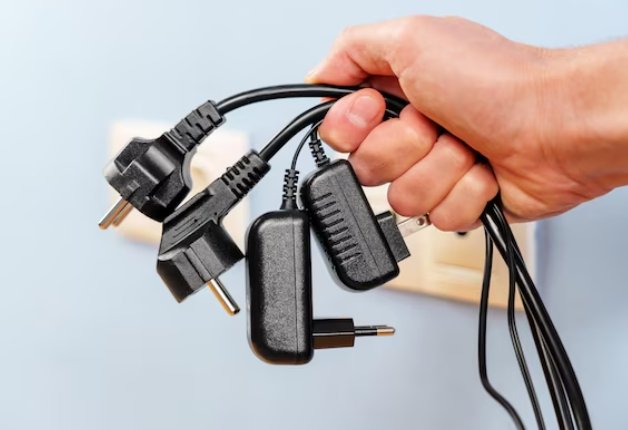
5Key Factors to Consider When Choosing a Power Cable
a.Rated Voltage and Current Carrying Capacity
The cable must be rated for the maximum voltage it will carry. Using a cable with insufficient voltage rating risks insulation breakdown and hazards. Similarly, ensuring the cable has adequate current carrying capacity (ampacity) prevents overheating, loss of efficiency, or fire risks. Proper sizing based on project load prevents performance issues.
b.Environmental Conditions
Consider the installation environment, including temperature extremes, moisture, exposure to chemicals, and UV radiation for outdoor cables. The insulation and protective jacket materials should be selected to resist these conditions and maintain cable longevity.
c.Voltage Drop and Cable Length
Long cable runs can cause voltage drops, affecting equipment performance. It is essential to calculate voltage drop and select a cable size that keeps it within acceptable limits to maintain system efficiency.
d.Installation Conditions and Mechanical Strength
The physical installation conditions impact cable choice. Space constraints, routing complexity, and whether the cable is subject to movement or mechanical stress require selecting appropriately flexible and durable cables. Protection against abrasion and damage during installation is also crucial.
e.Safety and Regulatory Compliance
Cables should comply with relevant safety standards and certifications for the region and application type. This ensures reliability and reduces risks in electrical installations.
Matching Cable Type to Your Industry
Not every industry has the same power cable requirements, which is why I always match the cable type to the specific application environment. By considering the unique demands of each sector, I can select cables that not only meet performance standards but also ensure safety, durability, and compliance with regulations. Here’s how I look at it across different industries:
a.Automotive
In the automotive world, especially with electric vehicles (EVs), high-voltage cables are essential for battery systems and charging. I also consider specialized harnesses for gear controllers and lighting systems, where reliability under vibration and heat is critical.
b.Industrial Equipment
For machinery, transformers, and power distribution systems, rugged harnesses are necessary. These cables must handle continuous loads, withstand mechanical stress, and remain reliable in demanding factory environments.
c.Renewable Energy
Solar and energy storage projects rely on PV cables and battery harnesses. I look for cables that resist UV, temperature extremes, and long-term outdoor exposure while maintaining efficient power transmission.
d.Medical Devices
Here, precision and cleanliness are non-negotiable. Cleanroom-grade cables with low noise and biocompatible insulation materials are key to ensuring patient safety and accurate device performance.
e.Consumer Electronics
For everyday devices, I focus on molded cables such as USB, Micro-USB, and Type-C. These cables must balance durability, compactness, and user safety, while also complying with international certifications.
5.Evaluate Industry Standards & Certifications
No matter how well a power cable is designed, it must also meet the right certifications to ensure safety, performance, and global compliance. When I help clients select or develop a cable solution, I always check if it complies with relevant industry standards. These certifications are not just formalities—they’re proof that the product can be trusted in demanding environments across the world. Here’s what I focus on:
Importance of UL, CCC, ISO 9001, and IATF 16949 Certifications
Each certification serves a different purpose.
- UL (Underwriters Laboratories) ensures electrical safety, especially for products entering the U.S. market.
- CCC (China Compulsory Certification) is required for electrical products sold in China.
- ISO 9001 validates our quality management system.
- IATF 16949 is a must-have for automotive manufacturing and shows that our production processes meet global automotive standards.
These are non-negotiables for any serious OEM/ODM project.
How These Ensure Quality, Safety, and Compliance for International Applications
When a product meets certifications like UL or IATF, I know it has passed rigorous testing for durability, fire resistance, material integrity, and electrical safety. This means your cable will perform reliably whether it’s used in an EV in Europe, a medical device in the U.S., or an industrial system in Asia. Global compliance also reduces time-to-market and avoids regulatory roadblocks during installation or audits.
Why Yihetai Is a Reliable, Certified Partner
At Yihetai, we don’t just meet standards we build our production systems around them. All of our cables are manufactured under ISO 9001:2015, and we hold certifications including UL (E241405/E241406), CCC, and IATF 16949. Whether you’re an OEM needing consistent quality or an ODM launching a new product line, you can count on our tested, certified, and traceable wire harnesses to deliver performance with confidence.
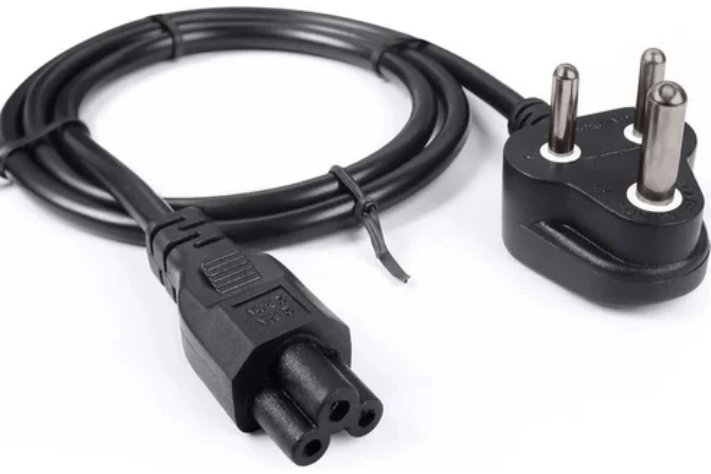
6.Custom vs Standard Cables – Which One to Choose?
Choosing between custom and standard power cables depends largely on the specific needs and complexity of your project. While standard cables offer convenience and cost-effectiveness for general applications, custom cables provide tailored solutions for more demanding or specialized uses.
When Off-the-Shelf Power Cables Are Sufficient
Standard power cables are designed to meet common specifications and work well for typical projects where general features like length, color, and connector types align with the requirements. They are cost-effective, readily available, and suitable when no unique physical adaptations or enhanced performance characteristics are necessary. For many straightforward electrical installations, off-the-shelf cables provide a reliable and efficient solution.
Advantages of Custom Power Cables for Complex or High-Risk Applications
Custom power cables are essential when projects require specific attributes that standard cables cannot fulfill. They allow precise control over aspects such as cable length, conductor type, insulation materials, and environmental tolerances. Custom cables can enhance safety, durability, and functionality in complex systems, high-risk environments, or applications where space and design constraints exist. They also ensure compatibility with special connectors or systems, reducing downtime and improving performance.
Overview of Customization: Length, Color Coding, Connectors, Labeling, Bundling
Customization options include adjusting cable length to fit installation needs exactly, which prevents excess cable and voltage drop issues. Color coding helps in easy identification and organizing complex wiring setups. Custom connectors ensure secure, reliable connections tailored to specific equipment. Labeling simplifies maintenance and troubleshooting, while cable bundling improves cable management, reduces clutter, and enhances safety by organizing related cabling neatly.
7.When to Go for Custom Power Cables
While standard power cables can be a quick and affordable solution, there are times when they simply do not meet the technical or safety demands of your project. I have worked with many clients who started with off-the-shelf cables, only to face issues with overheating, poor fit, or system failure. That’s why I always suggest considering custom power cables when your project involves specific requirements that standard options cannot handle. Here are the 6 most common situations where I recommend going custom:
a. When Your Project Has Unique Electrical Requirements
If your system requires an uncommon voltage, high current, or mixed signal transmission, a custom cable allows you to design the conductor size, insulation, and shielding to handle the exact load and application. This prevents electrical loss and ensures long-term reliability.
b. When You Have Limited Installation Space
In compact enclosures or tight cable routing paths, space becomes a major concern. I often recommend custom cables that are thinner, more flexible, or pre-bundled into organized harnesses to fit perfectly without crowding the system.
c. When the Environment Is Harsh or Unpredictable
If your cable will be exposed to water, heat, chemicals, oil, or constant movement, it is important to use specialized materials. Custom cables can be designed with the right insulation and jacket types to withstand these conditions safely.
d. When You Need Specific Connectors or Interfaces
Off-the-shelf cables rarely come with the exact connectors your equipment requires. With custom cables, you can choose the precise terminals, plugs, or sealing interfaces needed for a perfect fit and seamless integration with your devices.
e. When Safety and Compliance Matter
In regulated industries such as automotive, medical, or industrial automation, compliance with standards like UL, ISO, or IATF is essential. Custom power cables can be fully certified and tested to meet these standards and avoid delays in product approvals.
f. When You Want to Simplify Assembly and Maintenance
By integrating labeling, bundling, and color coding into a custom cable design, you reduce assembly time and make maintenance much easier. This improves efficiency and lowers labor costs during installation and servicing.
If any of these situations apply to your project, it is time to consider a custom solution. At Yihetai, we specialize in designing and manufacturing high-quality custom power cables that solve real engineering challenges and help your systems perform at their best.
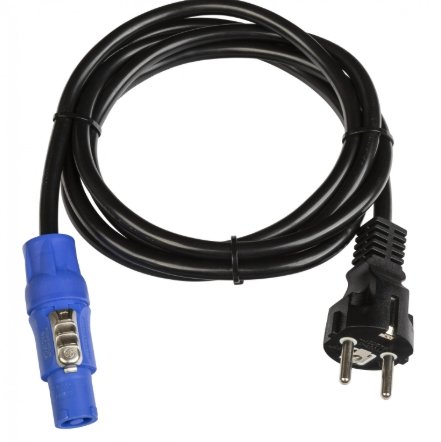
8.Common Mistakes to Avoid When Choosing Power Cables
a.Ignoring Voltage and Current Ratings
One of the most frequent errors is selecting cables without properly considering the voltage and current ratings required. Using cables rated for lower voltage or current than the application demands can cause overheating, insulation breakdown, and fire risks. Always match the cable’s ampacity and voltage rating to the load specifications.
b.Overlooking Environmental Factors
Failing to account for environmental conditions such as moisture, temperature extremes, chemicals, or UV exposure is another common mistake. Cables used in outdoor or industrial settings require special insulation and protective jackets to avoid premature deterioration. Using indoor-rated cables outdoors or in harsh environments can lead to failure.
c.Using Incorrect Cable Length or Gauge
Choosing cables that are too long or have an inadequate gauge can result in voltage drops, reduced efficiency, and power loss. Conversely, excessively long cables increase electrical resistance and energy consumption unnecessarily. Calculating the optimal cable length and thickness for the project minimizes these issues.
d.Neglecting Proper Installation and Connectivity
Poor wiring practices such as loose connections, improper stripping of wires, and mismatched plug types can cause resistance, shorts, and operational failures. Ensuring secure, code-compliant installation and using appropriate connectors are essential to maintaining system integrity.
e.Failing to Follow Industry Standards and Certifications
Selecting cables that do not meet recognized safety and quality certifications increases the risk of failure and non-compliance with regulations. Always choose cables with proper industry certifications such as UL, CCC, or ISO to guarantee reliability.
9.Tips for Working with a Reliable Cable Manufacturer
Even the best cable design will not succeed without a manufacturing partner who can deliver consistent quality and precision. I have learned through experience that the manufacturer you choose plays a major role in the success of your project. They are not just producing a component, they are helping you deliver safety, performance, and long-term reliability. Here are the key things I always look for when choosing a reliable cable manufacturer.
a.Focus on Industry Experience
I always work with manufacturers who have experience across different sectors such as automotive, medical, industrial automation, and renewable energy. This kind of background means they understand the technical standards, quality expectations, and real-world challenges of various applications. At Yihetai, we have been supporting these industries for more than twenty years.
b.Choose a Manufacturer with Full In-House Capabilities
In-house production means better control. From raw cable extrusion and overmolding to wire harness assembly and testing, I make sure the manufacturer handles everything internally. This reduces delays, ensures better quality control, and allows more flexibility if design changes are needed.
c.Verify Certifications and Quality Standards
A serious manufacturer should meet international quality standards. I always check that they are certified with ISO 9001 for quality systems, IATF 16949 for automotive applications, and hold UL and CCC product certifications. These are essential for ensuring both safety and compliance in global markets.
d.Ensure Complete Testing and Traceability
Reliable manufacturers test every product before it leaves the factory. I expect full testing for insulation resistance, continuity, voltage withstand, and appearance. I also require proper labeling and traceability so that every batch can be tracked and verified if needed.
e.Evaluate Customer Support and Communication
I prefer working with manufacturers who act like true partners. They are responsive, transparent, and ready to provide engineering support when needed. Whether it is a quick design review or urgent delivery update, good communication makes every project run more smoothly.
f.Ask for Samples or Trial Production
Before committing to volume production, I always recommend asking for a sample or small trial run. This allows you to test the cable in your system, confirm the fit and function, and avoid surprises later. A good manufacturer will gladly support this step.
At Yihetai, we aim to be the kind of partner we would want ourselves. With strong technical expertise, full in-house production, and a strict quality system, we make sure your power cable or wire harness is built exactly to your needs, every time.
10.Why Yihetai is Your Trusted Power Cable Partner
With so many cable suppliers in the market, it can be challenging to know who to trust with your critical projects. The right partner should not only deliver cables but also provide expertise, flexibility, and long-term reliability. At Yihetai, we have built our reputation on these principles, making us the preferred choice for clients worldwide. Here is why you can count on us:
Over 23 Years of Experience
Since our founding in 2001, we have dedicated ourselves to mastering the art of custom cable design and manufacturing. This extensive experience allows us to anticipate challenges and provide solutions that are both practical and innovative.
Full Range of Certified Custom Wire Harnesses and Cable Assemblies
We design and manufacture a complete portfolio of power cables, wire harnesses, and assemblies, all fully tested and certified under international standards such as UL, ISO 9001, and IATF 16949. Every product is built to perform reliably in demanding environments.
Specialization Across Multiple Industries
Yihetai has successfully delivered tailored solutions for diverse industries including automotive, renewable energy, industrial automation, aerospace, medical devices, and consumer electronics. Our ability to adapt to different industry requirements ensures that each client receives exactly what they need.
Proven Quality Control and Fast Turnaround
From raw material inspection to final testing, every stage of our process is tightly controlled to guarantee consistency and safety. At the same time, our streamlined production system enables us to offer flexible lead times, whether for small prototype batches or large-scale production runs.
Conclusion
Choosing the right power cable is not just about connecting two points. It is about ensuring safety, performance, and reliability in every part of your project. Throughout this post, I have covered the key factors you need to consider, including voltage, current, insulation, environment, and compliance with industry standards.
I encourage you to take a close look at your project’s specific needs. Consider where and how the cable will be used, what kind of electrical load it will carry, and what conditions it must withstand. A careful assessment at the start can prevent costly problems later.
If you are unsure which cable is the right fit or if your project requires something unique, I am here to help. At Yihetai, we provide expert consultation and custom power cable solutions tailored to your exact needs. Contact me today and let us help you move forward with confidence.