
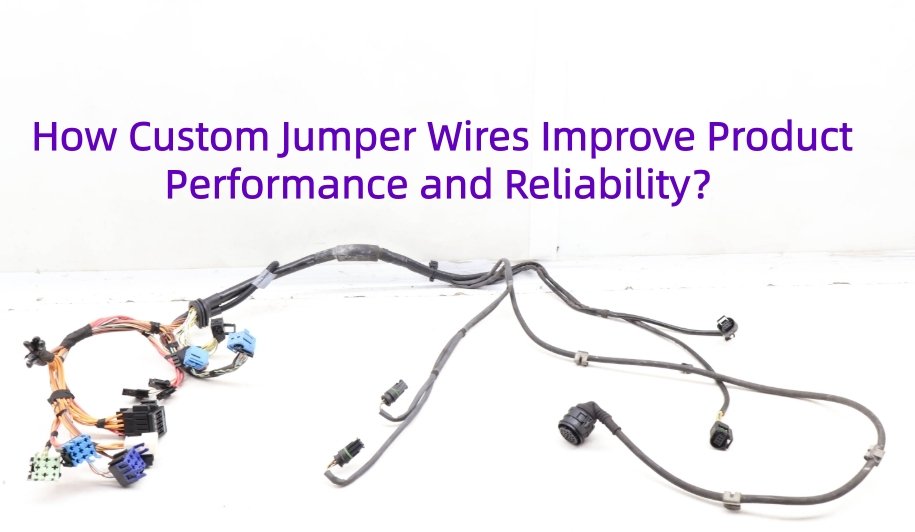
In every electronic or electrical system, jumper wires play a crucial but often overlooked role. They create the essential pathways that connect components, carry signals, and complete circuits. Whether I’m working on a prototype, assembling a printed circuit board, or linking internal parts of a device, jumper wires are a key part of the process.
But here’s the problem. Off-the-shelf jumper wires are not always reliable. They might not fit perfectly, may lack durability under stress, or lead to inconsistent performance. This becomes a serious issue in high-performance environments like automotive electronics, industrial machinery, or medical devices.
That is why custom jumper wires are so important. When performance and reliability really matter, custom solutions designed to meet exact requirements make all the difference. In this post, I will share how custom jumper wires can help you build stronger, smarter, and more dependable products that truly stand out.
What Are Jumper Wires?
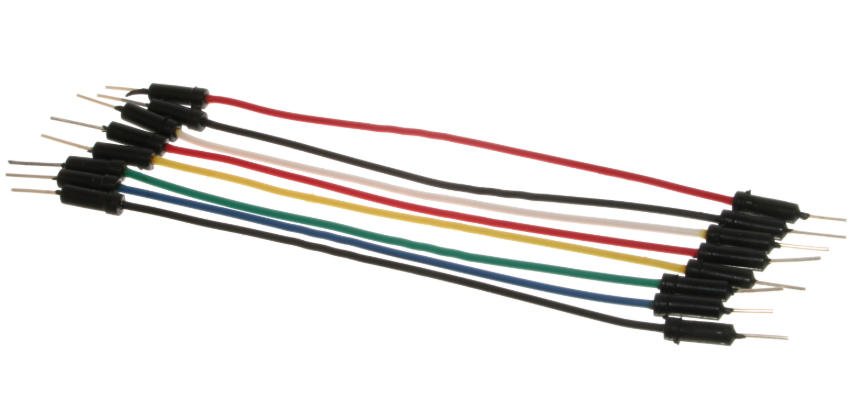
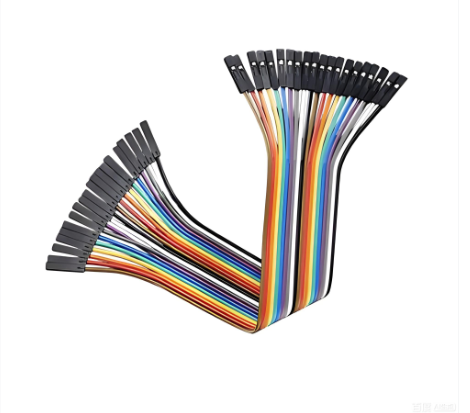
Jumper wires are short, insulated conductors used to create temporary or semi-permanent electrical connections between two points in a circuit. I often use them when connecting components on a breadboard, linking modules on a PCB, or bridging terminals during prototyping. Their primary function is to carry electrical signals or power between different parts of a circuit quickly and safely, without the need for soldering.
There are three common types of jumper wires based on the connector ends:
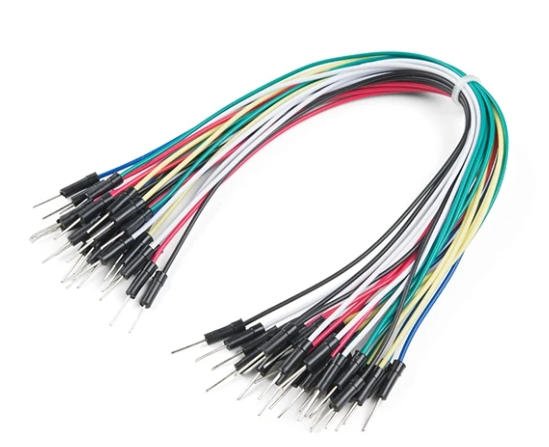
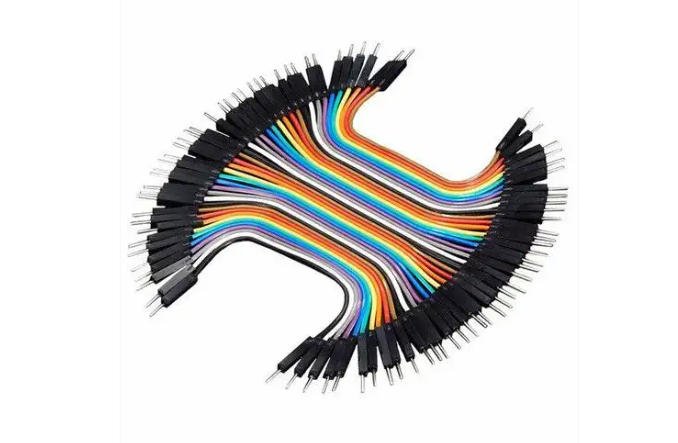
- Male to Male (M to M) uses pins on both ends and is ideal for connecting breadboards or header pins.
- Male to Female (M to F) has one pin and one socket and is commonly used to connect a board to a sensor or module.
- Female to Female (F to F) has sockets on both ends and is often used for wiring between two components.
Jumper wires are widely used in rapid prototyping, PCB testing, industrial automation, educational kits, and smart device assembly. Despite their simplicity, they play a vital role in electronic development.
What Are Custom Jumper Wires?
While standard jumper wires are convenient for basic testing or hobby projects, I’ve found they often fall short in real-world production environments. That’s where custom jumper wires come in. Unlike generic, one-size-fits-all wires, custom jumper wires are designed and manufactured to meet the exact needs of a specific application.
When I compare standard jumper wires to custom ones, the difference is clear. Standard options might work for temporary setups, but custom jumper wires are built for precision, durability, and long-term reliability. They are especially valuable in industries where performance and safety are critical like PCB assemblies, automotive electronics, and industrial control systems.
Customized can include:
- Wire gauge and length tailored to current load and space constraints
- Connector types such as IDC, Molex, or terminal ends that match specific interfaces
- Materials selected for heat resistance, flexibility, or chemical insulation depending on the environment
These details may seem small, but in my experience, they make a big difference in the final product’s performance.
What Are the Limitations of Off-the-Shelf Jumper Wires?
Before I truly understood the value of custom jumper wires, I often used standard off-the-shelf options during prototyping. They were easy to grab and worked well enough for simple setups. But once projects moved into real-world applications, especially in sectors like automotive, industrial controls, and medical electronics, the weaknesses of these generic wires became very clear. In high-performance environments, standard jumper wires simply cannot deliver the consistency, durability, or safety required. Below are the key limitations I have encountered.
1.Inadequate voltage and current handling
Most standard jumper wires are designed for low-power tasks. They often use thin conductors and minimal insulation, which may not support the current or voltage levels needed in advanced systems. This can lead to overheating, unstable signals, or even electrical failure.
2.Weak resistance to environmental conditions
Off-the-shelf jumper wires are not built for harsh environments. Exposure to heat, moisture, oil, or vibration can cause rapid wear and tear. Without the right insulation materials or protective features, these wires degrade quickly and compromise the safety of the entire system.
3.Limited connector compatibility
Generic jumper wires usually come with fixed, basic connectors that may not fit your device or assembly correctly. If the connector is too loose or incompatible, it can result in unreliable contacts or frequent disconnections, which affect overall system reliability.
4.Poor consistency and build quality
Mass-produced jumper wires often vary in quality. Inconsistent lengths, weak crimping, or low-grade materials can lead to fluctuating performance or signal interference. In critical applications, even a single unreliable wire can cause costly system issues.
These are just a few reasons why I believe custom jumper wires are essential for any serious product development. When performance and reliability are on the line, choosing a custom solution is the right step forward.
What Are the Benefits of Custom Jumper Wires?
After working on countless projects across industries like automotive, automation, and consumer electronics, I’ve learned that the right wire connections are the backbone of any reliable system. That’s why I never underestimate the impact of using custom jumper wires. When designed specifically for the application, custom jumpers do far more than just connect two points they actively improve electrical performance, enhance mechanical reliability, and extend product life. Let me break down 4keys benefits I’ve seen firsthand:
1.Improved Electrical Performance
Custom jumper wires give me full control over the choice of conductor material, insulation, and shielding. By selecting the right combination, I can minimize resistance, reduce signal loss, and prevent electromagnetic interference (EMI) especially critical in high-speed or sensitive circuits. These improvements help ensure stable voltage and signal integrity, which is essential in performance-driven applications like control systems or medical devices.
2.Enhanced Mechanical Reliability
Unlike generic wires, custom jumper wires are built for a precise fit, reducing the chance of loose connections or physical strain. Whether I’m routing cables in a compact device or an engine bay, I need wires that can withstand vibration, bending, and mechanical stress without breaking down. For applications in automotive, aerospace, or industrial machinery, mechanical durability is just as important as electrical performance and custom jumper wires deliver on both.
3.Application-Specific Design
One of the biggest advantages I enjoy with custom jumper wires is design flexibility. I can define exact wire lengths, terminal types, and connector compatibility to match my product’s layout. This not only supports cleaner, more efficient wiring but also helps optimize space in tight enclosures. Additionally, custom configurations can be prepped for automated assembly, which improves production speed and consistency.
4.Improved Product Lifespan & Safety
Using flame-retardant, heat-resistant, or chemical-resistant materials ensures that the jumper wires can operate safely in demanding conditions. I’ve found that consistent quality and correct material selection greatly reduce the risk of short circuits, wire degradation, or system downtime. In safety-critical applications, that peace of mind is invaluable.
How Custom Jumper Wires Improve Product Performance?
Performance isn’t just about how a product looks or functions on the surface it depends heavily on what’s happening inside, especially when it comes to connectivity. From my experience, one of the easiest ways to boost product performance is by optimizing the jumper wires used in the system. When these wires are custom-built, the entire design becomes more efficient, stable, and responsive. Here’s how custom jumper wires contribute to superior product performance:
Precise Fit and Minimal Resistance
I always make sure that jumper wires are designed to fit perfectly within the layout of the device. This precision reduces unnecessary slack or tension and ensures minimal electrical resistance, which translates to better conductivity and power efficiency. A perfect fit also helps prevent wear or damage during movement or assembly.
Optimized for Environmental Conditions
Whether the product will be exposed to heat, moisture, dust, or vibration, I choose materials and constructions that can handle it. Custom jumper wires can be built with heat-resistant insulation, waterproof coatings, or vibration-resistant terminations, ensuring stable operation even in tough environments like automotive engines or industrial machinery.
Improved Signal Integrity
For sensitive electronics, especially those using high-frequency signals maintaining clean, interference-free transmission is critical. Custom jumper wires allow me to control aspects like shielding, insulation, and routing, which helps reduce EMI (electromagnetic interference) and preserve signal clarity throughout the system.
Better Compatibility with Components
When jumper wires are tailored to match the exact specifications of your connectors, PCBs, or modules, assembly becomes much faster and cleaner. This not only saves time but also reduces the chance of connection errors, making the overall system more efficient and easier to maintain.
How Custom Jumper Wires Improve Reliability
Performance may get all the attention, but in my experience, reliability is what truly builds trust with customers. A product that works perfectly on day one but fails after a few months can quickly damage a company’s reputation. That is why I always highlight the value of custom jumper wires when long-term reliability is a critical requirement. Here is how they help:
Consistent Quality Control
With custom jumper wires, I have full control over the materials, specifications, and manufacturing process. At Yihetai, we follow strict quality control standards to ensure every jumper wire delivers consistent performance. From insulation quality to crimp strength, everything is inspected. This level of control helps significantly reduce failure rates and improves product stability in the field.
Better Mechanical Durability
I have seen standard wires fail under pressure, especially in applications that involve movement, pulling, or tight routing. Custom jumper wires are engineered to handle mechanical stress with added reinforcement at stress points and flexible insulation. This means they can handle bending, repeated motion, and installation challenges without losing connection or breaking down over time.
Full Testing and Traceability
At Yihetai, we test every jumper wire for electrical performance, continuity, and appearance. More importantly, each product is fully traceable. We can identify which team member assembled it, which materials were used, and when it passed inspection. This traceability provides a strong layer of confidence for industries that demand full accountability.
Real-World Example: Failure versus Success
One of my clients came to me with an issue. They were experiencing frequent failures in a high-vibration control system, and the problem turned out to be loose connections caused by standard jumper wires. After switching to a custom solution designed specifically for vibration resistance, the issue disappeared. Their system ran smoothly, their service calls dropped, and their end customer regained confidence in the product.
In reliability-driven environments, there is no room for guesswork. I always remind customers that when the wiring is built right from the start, the entire product becomes stronger, safer, and more dependable.
Which Industry Need Custom Jumper Wire?
Custom jumper wires are essential across industries where standard wiring falls short, providing tailored solutions that meet stringent performance, safety, and durability standards in demanding applications. By addressing unique environmental and electrical challenges, they ensure seamless integration and long-term reliability in critical systems.
1.Automotive: Control units, sensors, lighting systems
Custom jumper wires connect ECUs, sensors, and LED lighting in vehicles, using high-vibration-resistant designs with locking connectors and heat-rated insulation up to 125°C.
They handle moisture, oils, and thermal cycling without degrading, reducing faults in engine bays or under-dash modules.
Tailored lengths and shielding maintain signal integrity for CAN bus or ADAS sensors, boosting vehicle safety and uptime.
2.Medical: Monitoring equipment, diagnostic tools
In patient monitors and imaging devices, custom jumpers use biocompatible, sterilizable materials with precise connectors for ECG leads or ultrasound probes.
Low-noise, shielded constructions prevent interference in sensitive bio-signals, while flame-retardant jackets meet medical safety regs like IEC 60601.
Their reliability minimizes downtime in life-critical settings, with traceability ensuring compliance during audits.
3.Industrial Machinery: PCB connections, motor controls
Custom jumpers link PLCs, drives, and PCBs in factories, featuring rugged terminals for high-current motor controls and vibration-proof crimps.
Abrasion-resistant jackets withstand dust, chemicals, and 85°C+ environments, preventing shorts in harsh plant floors.
Pre-formed assemblies speed maintenance and support IP-rated enclosures for reliable 24/7 operation.
4.Smart Home & Consumer Electronics: Compact and reliable interconnects
In smart thermostats, cameras, and wearables, tiny custom jumpers fit tight spaces with flexible FFC-style or micro-coax designs for batteries and antennas.
They deliver clean power and data in EMI-heavy homes, using low-profile connectors that enable sleek, drop-tested products.
How Yihetai Ensures Jumper Wire Performance and Reliability
Before a custom jumper wire can improve performance or reliability, it needs to be made right. That’s exactly where Yihetai stands out. I’ve seen how controlling the entire process from concept to shipment makes a real difference. At Yihetai, we combine precision engineering with strict quality standards to deliver jumper wires that meet the highest expectations. Let me share how we do it.
1.In-house design, material development, and assembly
We handle everything internally. From selecting materials to designing wire specifications and assembling the final product, each step is managed by our experienced team. This gives us full control over quality, allows for better customization, and ensures that every jumper wire is built for its intended application.
2.100 percent testing with full traceability
Every jumper wire goes through complete testing before it leaves our facility. We test for electrical continuity, insulation resistance, and voltage performance. More importantly, we maintain full traceability throughout production, so you know exactly where each component came from and how it was made. This level of transparency ensures reliability from start to finish.
3.Certified processes for quality and consistency
Yihetai operates under internationally recognized standards including ISO 9001 and IATF 16949. These certifications are more than just documents on the wall. They reflect our commitment to process control, product consistency, and long-term customer satisfaction. Our team follows these systems daily to make sure we deliver quality every time.
4.Custom packaging and fast lead times
We understand how important it is for jumper wires to integrate smoothly into your production line. That is why we offer tailored packaging that supports efficient assembly on your end. And because of our streamlined operations, we can respond quickly to urgent orders without compromising quality.
5.Flexible production to match your needs
Whether you need a few samples for testing or thousands of units for large-scale production, we have the capacity and flexibility to support your project. Our production lines are designed to switch smoothly between small batch runs and full-scale manufacturing, while maintaining the same level of precision and reliability.
At Yihetai, we take jumper wires seriously because we know they play a critical role in your product’s success. That is why we focus on delivering dependable solutions you can count on, every single time.
Why Choose Yihetai for Custom Jumper Wires?
Choosing the right jumper wire supplier can be the difference between a reliable product and one that faces repeated failures. Over the years, I have worked with many customers who came to Yihetai after being disappointed by inconsistent quality or poor support elsewhere. If you are looking for a dependable partner to deliver high-quality custom jumper wires, here is why Yihetai is the right choice.
Over 23 Years of Wiring Harness Expertise
With more than two decades of experience, we understand the demands of a wide range of industries from automotive to medical and industrial electronics. This deep knowledge allows me to help customers find the right wiring solutions quickly and accurately.
Full In-House Production Capabilities
One of our biggest strengths is our ability to manage the entire process under one roof. From custom design and material development to assembly, testing, and packaging, I know every jumper wire is built to meet your exact requirements without delays or miscommunication.
High-Quality Materials and Fast Turnaround
I only work with trusted, certified suppliers for materials like insulation, conductors, and connectors. This ensures long-term durability, even in challenging environments. Combined with our efficient production systems, we can offer fast lead times without compromising on quality and at competitive prices that give you excellent value.
Certified Quality Systems
Quality is a promise we back with action. Yihetai is fully certified with ISO 9001:2015, UL, and IATF 16949, which means we meet international standards for process control, testing, and continuous improvement. Every wire is tested and fully traceable, giving you complete confidence in every batch.
Scalable Production for Any Volume
Whether you are building a prototype, launching a new product, or scaling up for mass production, we are ready to support you. I can help plan and deliver orders ranging from low-volume custom builds to high-volume production runs with the same attention to detail and service.
Conclusion
From my experience, the earlier you consider custom jumper wire solutions in your product design, the better your results will be. Waiting until the last minute or relying on generic options can lead to limitations, performance issues, and even costly redesigns.
That is why I always recommend working with a trusted manufacturer like Yihetai from the very beginning. Our team is ready to support you with expert consultation and tailor-made jumper wire solutions that meet your exact needs.
In today’s high-performance, reliability-driven product environments, custom jumper wires are no longer a luxury. They are a necessity. If you want to deliver stable, efficient, and durable products, every connection counts and that starts with choosing the right jumper wires.
Feel free to contact us or reach out us anytime. We’re here to help you design smarter and build better.