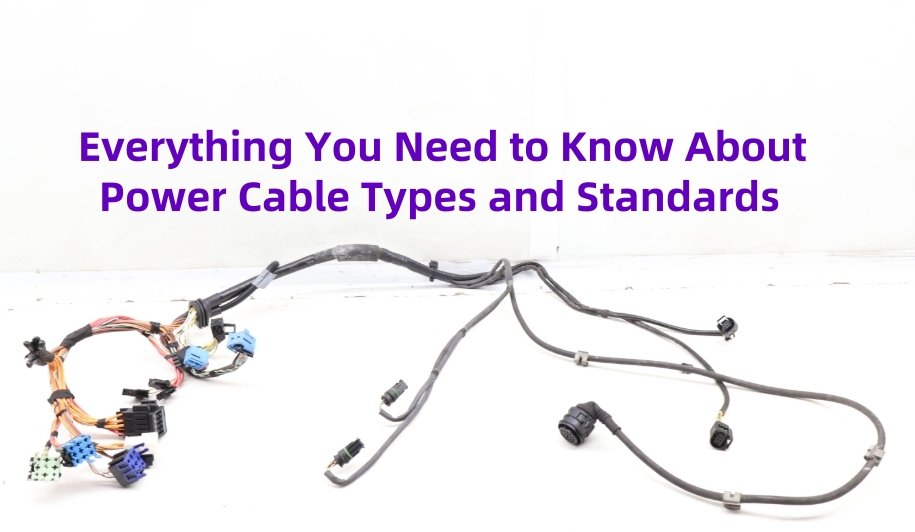
Power cables are the unseen lifelines of modern life. They carry electricity to our homes, workplaces, machines, and even the devices we use every day. At first glance, they may look simple, but a power cable is carefully designed with conductors, insulation, and protective layers to ensure safe and efficient energy delivery. The challenge comes when the wrong type of cable is chosen. I’ve seen how poor cable selection can lead to wasted energy, overheating, compliance failures, and even dangerous accidents. It’s a costly mistake that businesses and individuals cannot afford to make.
That’s why understanding power cable types and the standards behind them is so important. In this blog, I’ll walk you through the different types of power cables, explain where each is used, and highlight the key industry standards you need to know. My goal is to help you make smarter, safer, and more efficient choices.
What is a Power Cable?
A power cable is a specially designed cable used to transmit electrical energy safely and efficiently from one point to another. Unlike simple wires, power cables are built with multiple layers to ensure reliability, safety, and durability in different environments and applications.
Definition and Basic Components
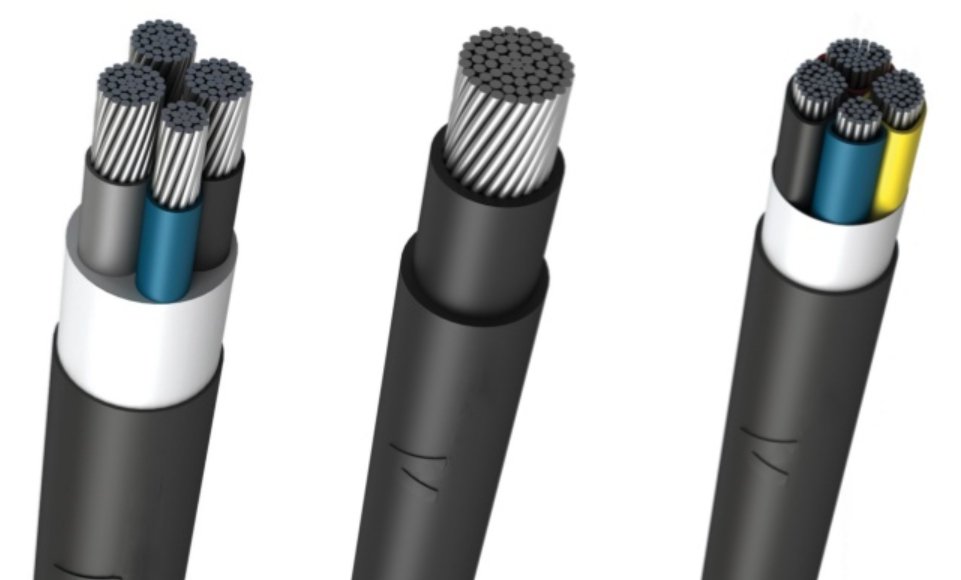
A standard power cable is made up of four key components:
- Conductor – The core material, usually copper or aluminum, that carries the electrical current.
- Insulation – A protective layer surrounding the conductor to prevent electrical leakage and ensure safe operation. Common materials include PVC, XLPE, and rubber.
- Shielding – A layer of conductive or semi-conductive material that reduces electromagnetic interference and protects signals from external noise.
- Jacket – The outermost protective layer that guards against physical damage, chemicals, moisture, and temperature changes.
Each layer works together to deliver electricity securely, even in demanding environments.
Difference Between Power Cables and Other Types of Cables
Power cables are specifically designed to handle higher voltages and currents compared to other cable types. For example, signal cables or data cables focus on transmitting information rather than electrical power. Power cables need thicker conductors, stronger insulation, and more robust jackets because their role is to safely transfer large amounts of energy to equipment, machinery, or infrastructure.
What Are The Common Types Of Power Cables?
Power cables come in many forms, and their classification depends on the voltage they carry, the environment they are used in, and whether they transmit alternating current or direct current. Understanding these categories is essential because the wrong choice can lead to energy loss, safety risks, or reduced equipment lifespan. Let’s explore the most common types of power cables.
1.By Voltage Level
Low Voltage Cables (up to 1 kV)
These are widely used for residential wiring, household appliances, and small commercial systems. They are cost-effective and designed for everyday electrical distribution where energy demand is relatively low.
Medium Voltage Cables (1 kV to 35 kV)
Medium voltage cables are used in industrial plants, commercial complexes, and local power distribution networks. They offer higher insulation strength and are built to handle more demanding loads.
High Voltage Cables (above 35 kV)
These cables are designed for long-distance power transmission, such as between power plants and substations. High voltage cables require advanced insulation and shielding to withstand extreme electrical stress safely.
2.By Application
Residential, Commercial, and Industrial Power Cables
Residential cables power everyday household systems, while commercial and industrial cables are designed to carry heavier loads in factories, data centers, or office buildings.
Specialized Cables for Renewable Energy, Automotive, and Industrial Machinery
Special-purpose power cables are developed for unique environments. For example, solar and wind farms use weather-resistant cables, electric vehicles require flexible and high-voltage cables, and industrial machinery often uses armored cables to resist mechanical stress.
3.By Current Type
AC Power Cables
Alternating current cables are the most common type, used in almost all residential, commercial, and industrial applications. They are designed to carry alternating current efficiently across different voltage levels.
DC Power Cables
Direct current cables are increasingly important with the rise of renewable energy, electric vehicles, and battery storage systems. They are built to handle constant current flow and often require special insulation for stability and safety.
What Materials Are Commonly Used In Power Cables?
Power cables commonly use specific materials for their conductors and insulation, chosen based on electrical performance, durability, and cost considerations.
Conductor Materials
Copper: Copper is the most widely used conductor material due to its excellent electrical conductivity, low resistivity, and superior mechanical strength. Copper allows efficient current flow with minimal energy loss, making it ideal for residential, commercial, and industrial wiring. Its good resistance to corrosion and creep ensures long-term reliability. Copper conductors are also easy to solder and form durable connections. However, copper is heavier and more expensive compared to alternatives.
Aluminum: Aluminum is a lighter and more cost-effective conductor material but has about 60% of copper’s conductivity. To match copper’s electrical performance, aluminum conductors need a larger cross-sectional area, which increases their diameter. Aluminum’s lower weight makes it suitable for applications like overhead power lines, aerospace, and automotive wiring where weight savings are critical. Nevertheless, aluminum is mechanically less robust, more prone to oxidation, and requires careful connection techniques to avoid reliability issues.
Insulation Materials
Polyvinyl Chloride (PVC): A widely used thermoplastic for cable insulation and jacketing because it is cost-effective, durable, flame-retardant, and resistant to moisture and chemicals.
Cross-Linked Polyethylene (XLPE): Provides excellent electrical properties, high thermal resistance, and mechanical strength. XLPE insulation is common in medium- and high-voltage power cables.
Ethylene Propylene Rubber (EPR): A thermoset rubber insulation with flexibility and high-temperature tolerance, often used in medium-voltage cables.
Rubber: Natural or synthetic rubbers like Neoprene or Silicone are used for flexible cables requiring mechanical resilience and high heat resistance.
Polyethylene (PE): Known for excellent dielectric properties and low moisture absorption, used in specialized or high-frequency applications.
Sheath/Jacketing Materials
PVC: Commonly used as an outer jacket material for its abrasion resistance and chemical stability.
Polyurethane (PUR): Flexible and resistant to abrasions, oils, and chemicals; popular in demanding industrial environments.
Low Smoke Zero Halogen (LSZH): Produces minimal smoke and no toxic halogen gases when burned, enhancing safety in enclosed or public spaces.
Shielding Materials
Aluminum Foil and Copper Braid: Used as shields to protect cables from electromagnetic interference (EMI) and to enhance overall durability.
What Are The Common Applications Of Power Cables?
1.Residential Applications
Power cables are used extensively in homes for electrical wiring, lighting systems, heating and cooling units, and powering household appliances. Safety and flexibility are key in this sector, making low-voltage, flame-retardant cables the most common choice.
2.Commercial Applications
In office buildings, shopping malls, and data centers, power cables supply energy for lighting, HVAC systems, elevators, and IT infrastructure. Reliability and compliance with fire safety standards are especially important here.
3.Industrial Applications
Factories and manufacturing plants rely on heavy-duty power cables to run machinery, conveyor systems, motors, and control panels. Armored and medium-voltage cables are often used to withstand harsh operating conditions such as vibration, heat, or chemical exposure.
4.Energy and Utilities
Power cables play a central role in electricity transmission and distribution networks. High-voltage cables connect power stations to substations and carry electricity over long distances with minimal loss.
5.Renewable Energy
Specialized cables are designed for solar farms, wind turbines, and energy storage systems. These cables are built to handle outdoor exposure, UV radiation, and wide temperature ranges.
6.Automotive and Transportation
Power cables are used in electric vehicles, charging stations, railway systems, and aviation. They provide efficient power transfer while meeting strict safety and performance standards.
7.Medical and Specialized Equipment
In hospitals and laboratories, power cables supply critical equipment such as imaging systems, diagnostic machines, and life-support devices. High reliability and compliance with international standards are essential.
What Are The Common Standards And Certifications For Power Cables?
Selecting the right power cable is not only about type, material, or size. It is also about making sure the product complies with internationally recognized standards and certifications. These certifications guarantee that cables are produced and tested under strict requirements for safety, quality, and performance. For businesses, using certified cables means reliability, regulatory compliance, and peace of mind. Here are the 8 common standards and certifications you should know.
1.UL (Underwriters Laboratories)
UL certification is one of the most widely recognized safety certifications in the electrical industry. It verifies that a power cable meets stringent requirements for fire resistance, insulation integrity, and electrical safety. UL standards like UL 1581 or UL 1277 ensure cables are safe to use in residential, commercial, and industrial settings.
2.ISO 9001:2015
This international standard focuses on quality management systems. Manufacturers certified to ISO 9001 demonstrate adherence to processes that ensure consistent production quality, traceability, and continual improvement, reducing defects and increasing customer confidence.
3.IATF 16949
Specifically tailored for the automotive industry, this quality management standard incorporates requirements from ISO 9001 and adds automotive-specific criteria. It helps manufacturers ensure defect prevention, increased reliability, and compliance with automotive sector regulations in power cable manufacturing.
4.CSA (Canadian Standards Association)
CSA certification validates that power cables meet Canadian electrical and safety standards. It’s especially important for products used in Canadian residential, commercial, and industrial environments.
5.IEC Standards (International Electrotechnical Commission)
IEC standards such as IEC 60502 specify requirements for power cables of different voltage ratings and insulation types. Compliance indicates adherence to internationally accepted manufacturing and testing protocols.
6.RoHS and REACH Compliance
These certifications involve limits on hazardous substances used in cable materials, ensuring environmental friendliness and safer disposal or recycling.
7.Military Specifications (MIL-SPEC)
For high-reliability applications like aerospace and defense, MIL-SPEC standards specify exacting requirements for materials, performance, and testing to guarantee cable performance under extreme conditions.
8.CCC (China Compulsory Certification)
CCC is mandatory for cables sold and used in China. It covers safety, performance, and product reliability, ensuring compliance with national regulations.
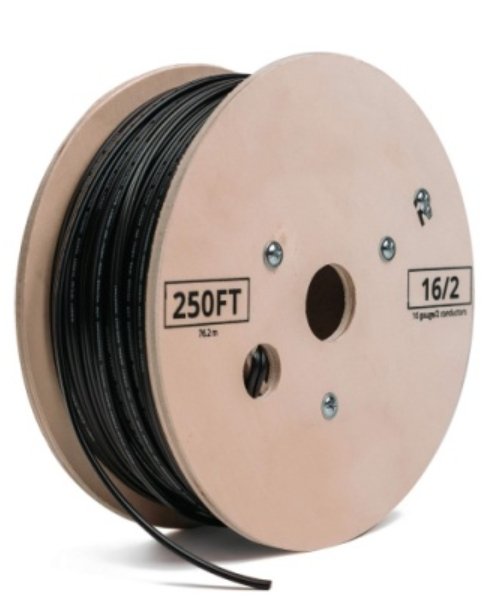
How to Select the Right Power Cable Type
With so many types of power cables available, choosing the right one can feel overwhelming. The key is to focus on your application’s specific requirements, since the wrong choice can lead to inefficiency, safety hazards, or costly failures. Over the years, I’ve learned that the best approach is to carefully evaluate 8 main factors before making a decision.
1.Electrical Load and Current Rating
Understand the maximum current that the cable must carry without overheating. The cable’s ampacity must meet or exceed the load demand to prevent performance issues and hazards.
2.Voltage Rating
Choose cables rated for your system’s operating voltage to ensure insulation integrity and electrical safety.
3.Voltage Drop and Distance
Calculate voltage drop over the cable’s length; excessive drop can impair equipment performance. Larger conductor sizes or specialized cable types may be necessary for long runs.
4.Conductor Material
Decide between copper (better conductivity, durability) and aluminum (lighter, more cost-effective but requires larger size) based on application needs and budget.
5.Environmental Conditions
Consider temperature extremes, moisture, chemical exposure, UV radiation, mechanical stresses, and installation location (indoor/outdoor, buried, aerial). Select cables with suitable insulation, jacket material, and protection (e.g., armored cables) accordingly.
6.Application Type and Regulations
Residential, commercial, industrial, automotive, or renewable energy systems have different standards and cable types. Ensure compliance with local codes, industry standards, and certifications relevant to the application.
7.Flexibility Requirements
Some applications require flexible cables for movement or frequent handling, while fixed installations prioritize durability and protection.
8.Cost and Availability
Balance performance and budget constraints, also considering material availability and supplier reliability.
How to Testing and Quality Assurance for Power Cables
Testing and quality assurance for power cables are critical processes that ensure cables perform safely and reliably throughout their service life. Power cables undergo rigorous testing according to international standards to verify their electrical, mechanical, and environmental performance.
Key Testing Methods for Power Cables
a.High-Potential (Hi-Pot) Testing
This test applies a voltage higher than the cable’s rated operating voltage to detect insulation weaknesses or defects. It verifies the dielectric strength of the cable insulation and ensures it can withstand electrical stresses without breakdown.
b.Very Low Frequency (VLF) Testing
VLF testing is used primarily for medium and high-voltage cables. It uses a low-frequency AC voltage to test cable insulation, offering advantages such as reduced test time and minimized stress compared to power frequency tests.
c.Partial Discharge (PD) Testing
PD testing detects tiny electrical discharges within the insulation that reveal imperfections that could result in premature failure. This diagnostic test helps identify manufacturing defects or damage incurred during installation.
d.Continuity and Resistance Testing
These tests verify that conductors within the cable are continuous and have electrical properties consistent with specifications, ensuring no breakages or high-resistance joints.
e.Mechanical Tests
Pull tests, bend tests, and impact tests assess the physical robustness of cables, connectors, and terminations to ensure durability during installation and operation.
f.Environmental Testing
Includes thermal aging, moisture resistance, chemical exposure, and flame retardance testing to determine how cables perform under harsh environmental conditions.
Quality Assurance Protocols
Manufacturers implement strict quality control processes, including in-process inspections and final acceptance tests. These may be guided by standards such as IEEE 400, IEC 60502, and ANSI/NETA, providing consistent test procedures and acceptance criteria.
Accurate documentation and traceability of test results are crucial for certifying cable batches and providing confidence to end-users.
What are Common Mistakes to Avoid
Selecting a power cable may seem straightforward, but many problems in electrical systems come from poor cable choices. These mistakes often lead to reduced efficiency, higher costs, or even safety hazards. By understanding the 4 most common errors, you can make better decisions and ensure that your system runs smoothly and safely.
1.Undersizing or Oversizing the Cable
One of the most frequent mistakes is choosing the wrong cable size. An undersized cable may overheat, waste energy, or even cause fire hazards, while an oversized cable adds unnecessary cost and complexity. Matching the cable to the correct voltage, current, and load requirements is essential for safety and efficiency.
2.Ignoring Environmental Conditions
Cables used indoors in controlled environments differ greatly from those exposed to heat, moisture, chemicals, or outdoor elements. Failing to consider environmental conditions can lead to premature cable failure, corrosion, or insulation breakdown. Choosing cables with the right materials and protective jackets prevents these issues.
3.Overlooking Certification and Standards
Using cables without proper certifications may seem cheaper in the short term, but it creates risks of non-compliance, reduced reliability, and possible rejection during inspections. Standards such as UL, IEC, and IATF 16949 ensure cables meet strict safety and performance requirements, which is especially critical in automotive, medical, and industrial sectors.
4.Choosing Based Only on Cost Instead of Performance
It is tempting to select the lowest-priced option, but cost alone should never drive cable selection. A cheaper cable that fails early can lead to downtime, repair costs, and safety hazards. Investing in cables that balance quality, performance, and compliance always delivers better long-term value.
Avoiding these 4 common mistakes helps ensure that your power cables deliver the reliability, efficiency, and safety your application requires.
Why Yihetai’s Expertise in Power Cables
When it comes to selecting power cables, experience and reliability matter just as much as materials and design. Partnering with a trusted manufacturer ensures that your cables not only meet technical requirements but also deliver consistent performance over time. This is where Yihetai’s expertise makes a real difference.
1.Over 23 Years of Custom Cable Manufacturing
With more than two decades of hands-on experience, Yihetai has built a strong reputation for delivering high-quality custom power cables and wire harnesses. From small-scale prototypes to large-volume production runs, we have the knowledge and capabilities to handle projects across nearly every industry.
2.Certified Quality with ISO 9001, UL, and IATF 16949
Quality and safety are at the heart of everything we produce. Yihetai operates under ISO 9001:2015 quality management systems and holds UL certifications (E241406 and E241405). For the automotive sector, our IATF 16949 certification demonstrates our commitment to meeting strict global standards. These certifications give our clients confidence that every product is tested, traceable, and reliable.
3.Custom Solutions Across Multiple Industries
Yihetai specializes in tailoring cable solutions to meet the exact needs of each client. Our expertise covers automotive wiring systems, renewable energy projects such as solar and EV charging, household appliances, industrial machinery, and medical applications. No matter the complexity, we design and manufacture cables that fit the application perfectly.
Conclusion
Choosing the right power cable isn’t just a technical detail it’s the foundation of safety, efficiency, and reliability in any electrical system. As I’ve shared in this post, understanding cable types and adhering to recognized standards makes all the difference between a system that performs well and one that creates risks or unnecessary costs.
For me, the most important takeaway is this: the right cable choice not only ensures safety but also improves energy efficiency and delivers significant long-term savings by reducing downtime and maintenance costs. Cutting corners on cables may seem cheaper upfront, but it almost always costs more in the long run.
At Yihetai, we specialize in certified, custom power cable solutions that meet international standards and your exact application needs. If you’re planning a project or upgrading your system, I’d love to help you find the right cable solution. Contact me and my team today to get started.