
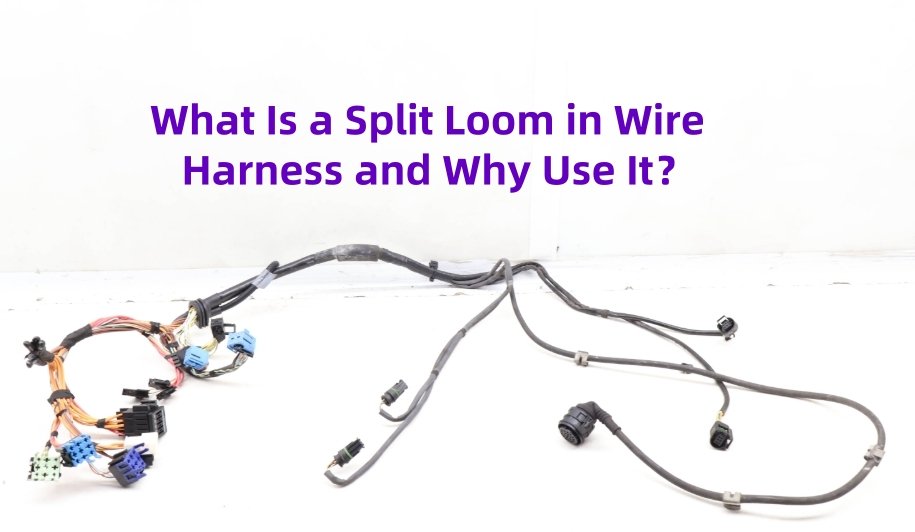
Whenever I work with electrical systems, I rely on wire harnesses to keep everything running safely and efficiently. A wire harness is a structured bundle of wires and cables designed to transmit signals or power across devices. But here’s the problem without proper protection and organization, these wires are exposed to wear, moisture, vibration, and even accidental damage.
I’ve seen how tangled, unprotected cables can lead to serious issues, from system failures to costly repairs. Especially in harsh environments like automotive or industrial settings, loose wires are a risk you simply can’t afford.
That’s why I always recommend using split loom tubing a flexible, corrugated sleeve designed to protect and organize wire bundles. It’s one of the simplest and most effective ways to improve the safety, durability, and appearance of your wire harness. In this post, I’ll explain exactly what a split loom is and why it should be part of every well-built cable system.
What Is a Split Loom?
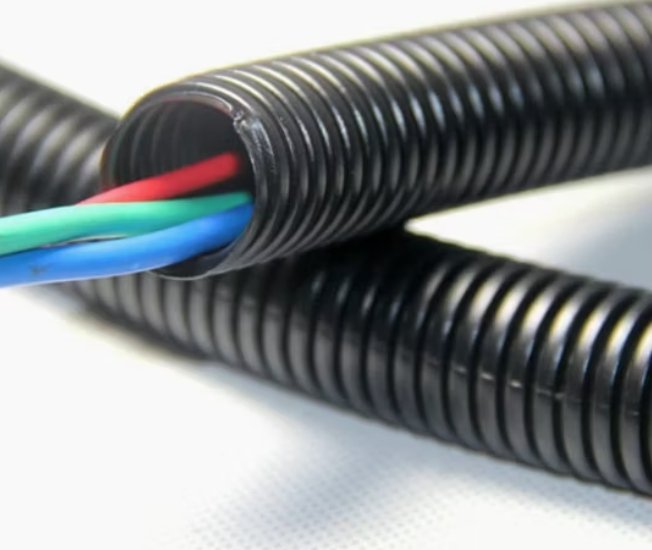
A split loom is a flexible, corrugated tubing that has a continuous slit running along its length. This slit allows wires and cables to be easily inserted without the need to disconnect them. Once inside, the loom wraps around the bundle, providing a secure and protective sleeve that stays in place, even in demanding environments.
Materials Used
Split looms are typically made from durable plastics like polyethylene or nylon. For more critical applications, flame-retardant versions are available to meet safety requirements and reduce fire risks.
Available Sizes, Colors, and Variations
Split looms come in a variety of diameters to fit anything from a few small wires to large cable bundles. They’re also available in multiple colors, which is helpful for organizing and identifying different harness sections. Specialized variations include high-temperature resistant looms, UV-resistant versions for outdoor use, and chemical-resistant types for industrial settings.
How Does Split Loom Work in Wire Harnessing?
Once you understand what a split loom is, the next question is: why is it so widely used in wire harness assemblies? From cars to factory equipment, wire harnesses must be durable, organized, and easy to maintain. A split loom offers a practical, cost-effective way to meet all of these needs while also enhancing the overall quality and appearance of your cable system. Here’s why I always recommend using split loom in harness designs:
1.Physical Protection
Split loom provides a strong outer barrier that shields wires from abrasion, impact, sharp edges, and harsh environments. Whether the cables are exposed to machinery, heat, or vibration, the corrugated structure of the loom helps absorb stress and prevent damage.
2.Organization
Bundling multiple wires into a single loom keeps them neatly grouped, reducing clutter and preventing tangling or crossover. This makes installation easier and reduces the risk of wiring errors.
3.Flexibility
Thanks to its corrugated and flexible design, split loom is easy to route through tight, curved, or irregular spaces without cracking or losing shape. This is especially useful in automotive dashboards, machinery enclosures, or compact electronics.
4.Maintenance and Access
One of my favorite features is the longitudinal slit. It allows for quick insertion, removal, or replacement of wires without cutting or redoing the entire harness. This makes future upgrades or repairs much easier and cost-effective.
5.Enhanced Aesthetics
Beyond functionality, split loom gives the wire harness a clean, organized, and professional appearance. Whether it’s for a high-end appliance, a vehicle interior, or a control panel, the final look matters and split loom helps deliver it.
What Are The Key Benefits Of Using Split Loom In Wire Harness Applications?
After working on many wire harness projects across different industries, I’ve found that split loom tubing is one of the most effective and versatile cable protection solutions available. Whether you’re dealing with tight engine compartments, outdoor installations, or indoor equipment, split loom offers a wide range of benefits that go far beyond basic wire bundling. Here’s a closer look at the 6 keys advantages:
1.Abrasion Protection
Split loom provides a strong physical barrier that shields wires from friction, rubbing, and sharp edges. This is essential in high-vibration environments like vehicles or machinery, where cables are constantly at risk of wear.
2.Heat and UV Resistance
Specialized split looms are made with materials that can withstand high temperatures and UV exposure, making them perfect for engine bays, solar systems, or any outdoor application where heat and sunlight are constant factors.
3.Improved Cable Management
With split loom, you can keep multiple wires neatly bundled and routed, which simplifies installation, improves safety, and makes the wiring system easier to manage and identify.
4.Moisture and Chemical Resistance
In environments where cables might be exposed to water, oil, or cleaning agents, split loom helps prevent corrosion and degradation, greatly extending the life of your wire harness.
5.Aesthetics & Professional Look
Split loom gives your wiring a clean, uniform appearance ideal for products where the wiring is visible or inspected. It enhances the professionalism of your build and gives customers confidence in your quality.
6.Easier Maintenance Access
Thanks to the slit design, you can easily open the loom to inspect, replace, or add wires without cutting or damaging anything. This makes service and upgrades much faster and more efficient.
What Are Common Applications of Split Loom
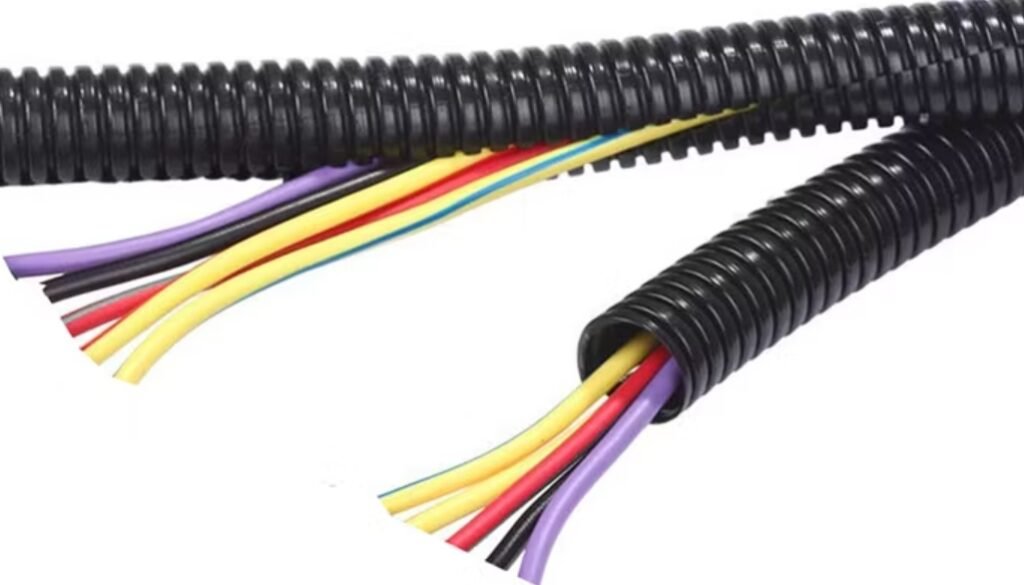
Split loom is widely used across various industries due to its versatile protective and organizational qualities. Its ability to safeguard wiring while allowing flexibility and easy maintenance makes it a preferred choice for multiple applications where reliable wire management is essential.
What Are Common Applications of Split Loom?
Automotive Wiring Harnesses
Split loom is extensively used in automotive applications to protect wiring from heat, abrasion, and vibration. It helps organize the complex wiring systems in vehicles, from engine compartments to interior electronics, ensuring durability and safety.
Machinery and Factory Equipment
In industrial environments, split loom safeguards cables in heavy machinery and factory automation systems. It offers protection against mechanical wear, chemicals, and harsh environmental conditions commonly found on factory floors.
Home Appliances
Split loom is used inside household appliances to organize and protect electrical wiring, contributing to the durability and safety of devices like washing machines, refrigerators, and ovens.
Robotics and Automation Systems
Robotic arms and automated machinery use split loom to manage cables efficiently while maintaining flexibility for moving parts. This reduces wear and prevents cable entanglement that could disrupt operations.
Medical Equipment
In medical devices, split loom provides clean cable organization and protection against accidental damage. Its use helps maintain hygiene standards and ease of service in sensitive healthcare environments.
Renewable Energy (Solar, Wind Systems)
Split loom protects wiring harnesses in solar panels, wind turbines, and related infrastructure. It guards against UV exposure, moisture, and mechanical stress, enhancing system reliability where environmental conditions can be challenging.
How to Choose the Right Split Loom
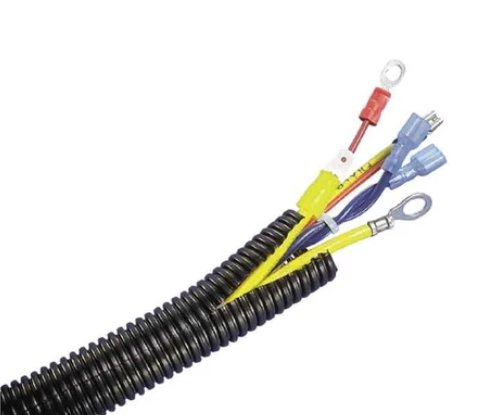
With so many types and sizes of split loom available, choosing the right one can be confusing especially if you’re working in a specialized environment. From my experience, the key is to match the loom to the actual working conditions and wire bundle requirements. A properly selected split loom not only improves durability but also ensures easier installation and long-term reliability. Here’s how I recommend choosing the right split loom for your wire harness project:
1.Consider the Environment
Start by asking: Where will the wire harness be used?
- Indoor: Standard polyethylene loom is often enough for basic protection.
- Outdoor: Look for UV-resistant and weatherproof materials to withstand sun, rain, and temperature changes.
- High-temperature: In engine bays or near heat sources, use nylon or flame-retardant looms that can tolerate extreme heat.
2.Choose the Correct Diameter for Your Cable Bundle
Measure your wire bundle carefully and choose a loom with an inner diameter slightly larger than the bundle size. This ensures a snug but not overly tight fit, which helps maintain flexibility and allows for easier insertion of wires.
3.Match the Material to Specific Protection Needs
Not all looms offer the same protection. Select based on your application risks:
- UV resistance – Needed for solar and outdoor systems
- Flame resistance – Critical for automotive, aerospace, or industrial use
- Oil and chemical resistance – Important for factory and machinery applications
- Choosing the right material will directly affect the life and safety of your harness.
4.Use with Proper Accessories
To get the best performance from your split loom, pair it with the right accessories:
- Mounting clips or brackets – To fix the loom in place
- Harness wrap tape or heat shrink – To secure the ends and prevent the slit from opening
- Labels or tags – For easy identification and maintenance
How to Install a Split Loom
Installing a split loom is one of the simplest yet most effective ways to protect and organize a wire harness. I’ve worked on many harness projects where a proper loom installation made a huge difference in both performance and serviceability. Whether you’re doing it on a workbench or directly on equipment, following the right steps ensures a clean, professional result. Here’s how I usually go about it:
Step 1: Measure Your Cable Bundle
Start by measuring the total length of the wire or cable bundle you need to cover. Add a little extra to account for curves or bends. This helps you cut the correct length of split loom tubing in advance.
Step 2: Insert the Wires into the Split Loom
Gently open the slit along the loom with your fingers and begin inserting the cable bundle. For long runs or tight groups, it helps to insert smaller wire sections first, then combine them inside the loom.
Step 3: Route the Loom to Its Final Position
Carefully route the split loom through your installation path whether it’s through an engine bay, control panel, or appliance housing. Make sure the loom avoids sharp edges or high-friction areas, or protect those points with grommets.
Step 4: Secure the Loom with Zip Ties or Tape
Once the loom is in position, secure it at regular intervals using zip ties or harness wrap tape. This keeps it from moving, helps the slit stay closed, and maintains a clean look. Always tighten the ties just enough not so tight that they crush the loom.
Extra Tips for a Professional Finish:
- Avoid overfilling: Leave room inside the loom so it stays flexible and easy to manage.
- Make clean bends: Guide the loom naturally around corners without forcing tight bends.
- Seal the ends: Use heat shrink, tape, or caps to close the ends and keep dirt or moisture out.
- Label sections: For complex harnesses, label the loom or wires for easier future maintenance.
Split Loom vs. Other Wire Harness Protection Methods
When it comes to protecting wire harnesses, there are several common methods available, each with its own strengths and ideal use cases. Comparing split loom to other protection methods like heat shrink tubing, braided sleeving, and harness wrap tape can help determine the best choice for a specific application.
Split Loom vs. Other Wire Harness Protection Methods
Split Loom
Split loom is a flexible corrugated tubing with a slit along its length that allows easy installation over wire bundles. It provides good abrasion resistance, mechanical protection, and organization. However, it is not fully sealed, which means dust and moisture can penetrate. Split loom is best for applications needing easy access to wires for maintenance and where moderate environmental protection is sufficient.
Heat Shrink Tubing
Heat shrink tubing offers a tight, sealed fit once heated and shrunk around wires. It provides excellent insulation and protection against moisture, chemicals, and mechanical damage. Heat shrink is ideal for connections or areas requiring waterproofing and high durability. However, it lacks flexibility after installation and usually requires special heating tools.
Braided Sleeving
Braided sleeving is a woven protective covering that offers high flexibility and excellent abrasion resistance. It expands to fit over cables and contracts slightly to hold them securely. It is great for applications requiring frequent movement or bending. Braided sleeving often has a superior aesthetic but can be harder to install and terminate neatly compared to split loom or heat shrink.
Harness Wrap Tape
Harness wrap tape is flexible cloth or plastic tape used to bundle wires tightly. It is highly customizable for different environments, including automotive-grade, flame retardant, or chemical-resistant tapes. Tape provides good noise suppression and vibration resistance but requires careful wrapping and rewrapping for maintenance.
When to Choose Split Loom Over Other Options
When you need easy access to wires for repair or modification without cutting or removing tubing.
For protecting wiring bundles in moderate environments where full sealing is not necessary.
When flexibility and organization are key, especially in automotive and machinery applications.
In applications requiring a cost-effective and quick solution for abrasion and impact protection compared to more specialized or labor-intensive methods.
How Yihetai Uses Split Loom for Custom Wire Harnesses
At Yihetai, we understand that wire protection is just as important as connectivity when it comes to building reliable wire harnesses. That’s why split loom tubing plays an important role in many of our custom projects. With years of experience and a strong focus on quality, we make sure every wire harness we deliver is protected, organized, and built to meet the specific demands of our customers.
In-House Harness Bundling and Protection
We handle the entire wire harness process in-house, from design to final assembly, which means we maintain full control over how wires are bundled and protected. Our skilled team applies split loom as part of our standard bundling process to ensure neat organization and long-term durability.
High-Quality Split Loom Materials
We don’t settle for one-size-fits-all materials. Instead, we select split loom tubing based on each client’s industry and environmental requirements. From flame-retardant nylon for automotive use to UV-resistant options for solar applications, we make sure the protection matches the conditions.
Custom Solutions for Complex Projects
Whether it’s a multi-branch harness for industrial automation or a large-scale assembly for renewable energy systems, we offer customized split loom solutions. Our production capabilities allow us to handle everything from low-volume prototypes to full-scale production, with the flexibility to meet unique routing and bundling needs.
23+ Years of Industry Experience
With over 23 years of experience in wire harness manufacturing, we know what it takes to deliver products that perform reliably in real-world conditions. Our deep industry knowledge ensures that every harness is not just well-built but also well-protected.