
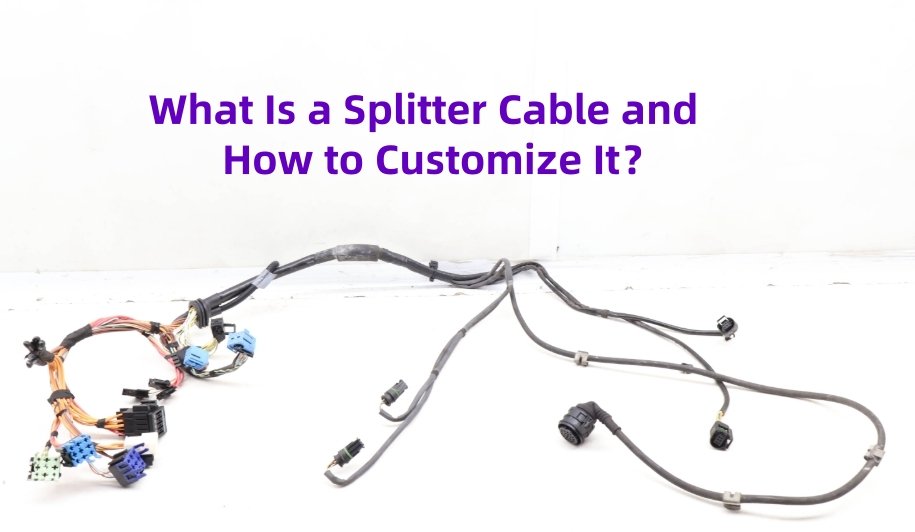
When working with cable assemblies, I often notice a common challenge. Many companies struggle to efficiently connect multiple devices without creating wiring chaos or risking performance issues. This becomes even more critical in industries where reliability and safety are non-negotiable.
One powerful yet often overlooked solution is the splitter cable. It allows a single input to connect seamlessly to multiple outputs, making it essential in applications like automotive systems, LED lighting, medical equipment, and data centers. However, not all splitter cables are created equal. Off-the-shelf options rarely meet the specific needs of complex projects.
That’s why understanding what a splitter cable is and how to customize it is so important. Custom splitter cables can be tailored for different environments, voltages, connector types, and industry requirements. In this blog, I’ll guide you through the essentials of splitter cables and show you how to create the perfect solution for your unique application.
What Is a Splitter Cable?
Before we dive into customization, it’s important to first understand what a splitter cable actually is and why it plays such a vital role across many industries. From consumer electronics to industrial machinery and automotive systems, splitter cables are used to simplify wiring, reduce clutter, and enable efficient connections between devices. Now let’s take a closer look at what a splitter cable is, how it functions, and where it’s commonly used.
A splitter cable is a type of cable designed to divide a single input signal or power source into multiple output connections. Essentially, it “splits” one feed into two or more paths, allowing several devices to be connected and operated from a single input source.
Function of Splitter Cable
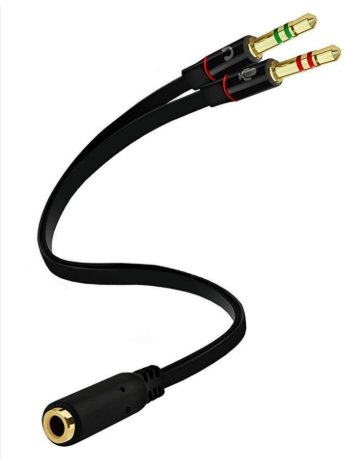
The primary function of a splitter cable is to distribute an electrical signal, audio/video feed, data connection, or power supply from one source to multiple end points. For example, a splitter cable takes one input such as a headphone jack, HDMI signal, or power supply and duplicates it across several connectors, enabling multiple devices to receive the same input simultaneously. This splitting is typically done passively (simply dividing the signal) or, in some cases, actively with amplification to maintain signal strength.
Common Use Cases
Audio/video: Splitter cables are widely used in home and professional entertainment systems. Audio splitter cables enable multiple headphones or speakers to connect to one audio jack, while HDMI splitters allow a single video source (like a Blu-ray player or game console) to display on multiple screens simultaneously.
Power supply: In applications where power needs to be distributed, splitter cables such as SATA splitters allow one power supply to power multiple hard drives, and DC power splitters enable one adapter to provide power to several devices. This is common in computer setups and LED lighting installations.
Data transmission: Splitter cables are also found in networking and data transfer. USB splitters allow multiple USB devices to connect through one port, while Ethernet splitters can manage network cabling to support multiple connections from a single line. These help expand device connectivity without adding extra ports.
Industrial and automotive wiring: In more specialized environments like factories or vehicles, splitter cables are used to branch electrical signals and power to several components or sensors, optimizing wiring layouts and simplifying system design.
What Are The Different Types Of Splitter Cables?
Splitter cables come in a wide variety of forms, each designed to meet the specific needs of different applications. Whether you’re dealing with power distribution, data connectivity, or audio/video signals, there is a specialized splitter cable tailored to efficiently split and deliver signals or power where needed. Understanding the common types of splitter cables can help you choose the right one for your project or setup.
Power Splitter Cables:
These splitter cables are designed to distribute electrical power from a single source to multiple devices. They are commonly used for battery packs, LED lighting strips, and other low-voltage equipment. For example, LED strip splitter cables enable a single power adapter to feed multiple sections of LED strips simultaneously, maintaining consistent brightness and reducing the need for multiple power supplies. Power splitter cables often include DC barrel connectors or specialized plugs to ensure proper and safe power distribution.
Data Splitter Cables:
Data splitter cables serve to split data signals rather than power. USB splitter cables allow one USB port to connect to multiple devices, which is especially useful when limited ports are available. Ethernet splitter cables split one network connection into multiple RJ45 ports, helping extend wired network access without additional network hardware. Additionally, LVDS (Low Voltage Differential Signaling) splitter cables are used in high-performance data transmission environments like display interfaces and industrial equipment, allowing signal distribution while maintaining data integrity.
Audio/Video Splitter Cables:
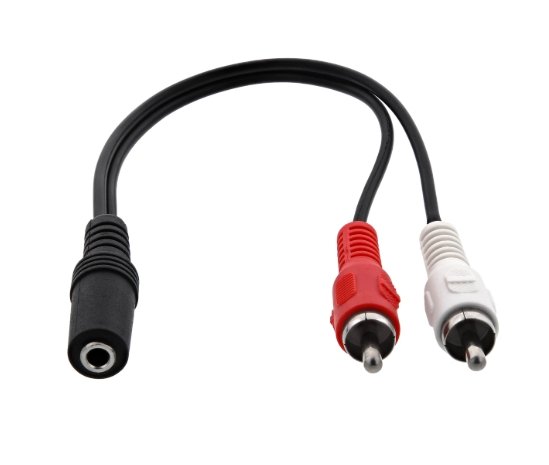
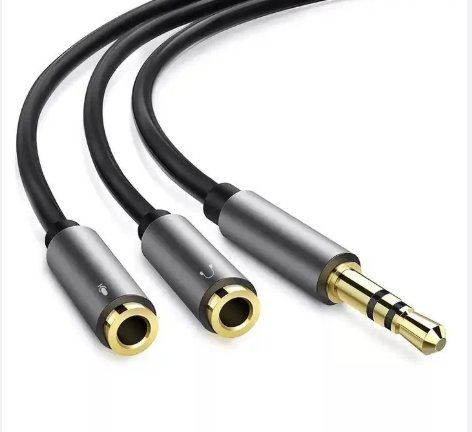
These splitter cables are used to split audio or video signals for multimedia applications. RCA splitter cables are widely employed for analog audio and composite video signals, enabling one output to connect to multiple speakers or screens. 3.5mm headphone splitter cables let multiple listeners share a single audio source, such as a smartphone or laptop. HDMI splitter cables distribute high-definition video and audio signals from one source to several displays, which is common in home theaters and professional AV setups.
Custom Industrial Splitters:
In industrial settings, splitter cables are often custom-designed to meet stringent requirements for machinery, smart devices, and control systems. These splitters handle complex signal and power distribution in rugged environments, helping optimize wiring harnesses and streamline system integration. Custom industrial splitters can include specialized connectors, reinforced cables, and tailored configurations to support automation equipment, sensors, robotics, and other industrial electronics.
What Are Key Components and Materials Of Splitter Cables?
Understanding what goes into a splitter cable is essential when you’re aiming for performance, durability, and safety especially in industrial or custom applications. Every splitter cable, no matter how simple or complex, is made up of several key components. The right combination of materials and design not only ensures the cable performs well in its intended environment but also meets necessary safety and industry standards. Let’s take a closer look at the main elements that make up a high-quality splitter cable.
To ensure reliable performance and durability, splitter cables are composed of several critical components and materials. Each element plays a vital role in maintaining signal integrity, withstanding physical stress, and meeting safety standards. Understanding these key components helps in selecting or customizing the right splitter cable for your specific needs.
Wires and Conductors
The core of any splitter cable is its wires and conductors, which carry electrical signals or power from the input to multiple outputs. These are typically made from copper due to its excellent conductivity, though sometimes copper-clad aluminum may be used for cost efficiency. The wire gauge (thickness) affects current capacity and signal quality; thicker wires generally support higher currents with less resistance. Additionally, many splitter cables use shielding—such as foil or braided copper—to protect against electromagnetic interference (EMI) and ensure clean signal transmission, especially in data and audio/video cables.
Connectors
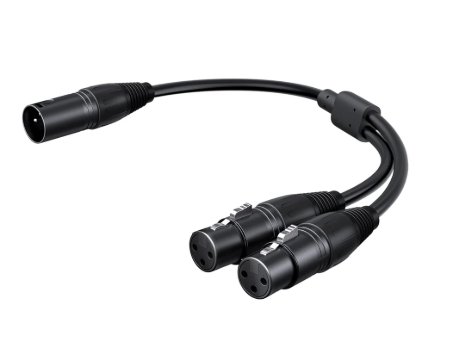
Connectors are the interface points where splitter cables connect to devices or other cables. They include ferrules, terminals, and custom plugs designed to fit specific equipment or meet particular application requirements. High-quality connectors ensure a secure, stable connection and reduce signal loss or power drop. In customized splitter cables, connectors can be tailored to match non-standard ports or to optimize durability and ease of use.
Sheathing & Jackets
The outer covering of a splitter cable, often called the sheath or jacket, protects the internal wires from mechanical damage, environmental factors, and wear over time. Common materials for sheathing include PVC (polyvinyl chloride), TPE (thermoplastic elastomer), and braided fabrics. PVC jackets offer good durability and insulation at a reasonable cost, TPE provides flexibility and resistance to chemicals or temperature extremes, and braided jackets add extra toughness and abrasion resistance—ideal for industrial or outdoor applications.
Certifications
Quality and safety certifications are essential to ensure splitter cables comply with industry standards and regulations. UL (Underwriters Laboratories) certification indicates that cables meet rigorous safety requirements. IATF 16949 certification is particularly relevant for automotive industry cables, ensuring high-quality manufacturing processes. RoHS (Restriction of Hazardous Substances) compliance guarantees that cables do not contain harmful materials, making them safer for both users and the environment. Choosing cables with these certifications ensures reliability, safety, and regulatory adherence.
How Does a Splitter Cable Work?
To appreciate the utility of splitter cables, it’s important to understand the basic mechanics behind how they operate. At their core, splitter cables distribute a single input source into multiple output paths, allowing several devices to receive the same signal or power simultaneously. However, the way this signal is managed can vary depending on the type of splitter, which affects overall performance and signal quality.
Basic Technical Explanation of Signal Splitting:
Splitter cables function by taking an electrical signal or power source from one input line and physically dividing it into two or more output lines. This is typically achieved through internal wiring that branches off the main conductor, directing identical signals or power to each output connector. In simpler terms, the cable acts like a junction point, allowing multiple devices to tap into the same source without needing separate connections for each.
Passive vs. Active Splitter Cables:
Splitter cables can be either passive or active. Passive splitters simply split the incoming signal mechanically or electrically without any amplification or signal modification. Because of this, the signal strength is divided among the outputs, which can lead to weaker signals, particularly over longer distances or with multiple splits. On the other hand, active splitter cables include built-in electronics that amplify or boost the signal, compensating for any loss during splitting. This ensures that each output receives a robust, high-quality signal, which is essential in applications like HDMI extensions or network connections where maintaining signal integrity is critical.
Impact on Signal Quality and Performance Considerations:
Splitting a signal inherently reduces its power or strength since the original input is shared among multiple outputs. This can result in lower audio volume, diminished video quality, slower data transfer speeds, or intermittent connectivity if the signal degrades too much. To mitigate these issues, quality splitter cables often incorporate shielding to reduce interference, use active amplification, or employ higher-grade materials to maintain conductivity. When selecting a splitter cable, it’s important to consider the number of outputs, cable length, signal type, and whether an active or passive splitter best suits the intended application to balance convenience with performance.
Why Customize a Splitter Cable?
While off-the-shelf splitter cables may work for basic needs, they often fall short when it comes to specialized equipment, demanding environments, or regulatory requirements. That’s why I always recommend custom splitter cables for professional or industrial applications. Customization allows you to create a solution that not only fits perfectly but also performs reliably under specific operating conditions. Below are the key reasons why customizing a splitter cable can make a real difference in your project.
Fit Unique Equipment and Layout Requirements:
Every system or setup has distinctive space constraints, connector types, and device compatibility needs. Custom splitter cables allow precise tailoring of cable lengths, connector styles, and split configurations to seamlessly integrate into existing layouts without excess cable clutter or mismatched connections. This makes installation cleaner, reduces potential connection errors, and improves overall system organization.
Meet Environmental Conditions (Heat, Moisture, Chemicals):
Many applications expose cables to harsh environments such as high temperatures, humidity, or chemical exposure. Customization enables the use of specialized materials like heat-resistant jackets, waterproof coatings, or chemical-resistant sheathing to ensure the splitter cable can endure and function reliably in these conditions, extending cable lifespan and preventing failures.
Ensure Electrical Performance (Voltage/Current Ratings):
Different devices and power requirements demand careful attention to the cable’s electrical specifications. Custom splitter cables can be designed with specific wire gauges, insulation types, and shielding to safely handle required voltage and current levels. This reduces overheating risks, signal loss, or interference, guaranteeing the splitter cable performs reliably under anticipated electrical loads.
Improve Aesthetics and Ease of Installation:
Cable appearance and handling convenience also matter especially in consumer electronics, office setups, and visible installations. Custom colors, labeling, and flexible designs can improve aesthetics and make cable management easier. Tailored cable assemblies help technicians install or replace cables quickly and reduce downtime.
Regulatory Compliance for Medical, Automotive, or Military Use:
Certain industries have stringent standards for safety, durability, and performance that generic cables cannot meet. Custom splitter cables can be manufactured to comply with certifications such as UL, IATF 16949 (automotive), or medical-grade standards, ensuring they are safe and reliable in critical applications where failure is not an option.
How to Customize a Splitter Cable?
Customizing a splitter cable might seem technical at first, but it becomes a simple and rewarding process when you work with the right partner. From design to production, each step allows you to tailor the cable to fit your exact needs ensuring better performance, durability, and efficiency. At Yihetai, I guide customers through every stage, making sure the final product meets their specific requirements with precision. Here’s how the customization process typically works:
Step 1: Define the Application
The first step in customizing a splitter cable is clearly defining its intended use. Determine whether the cable will carry power, data, or a combination of both (hybrid). Consider the environmental conditions the cable will face, such as exposure to heat, moisture, vibration, or chemicals. This understanding will guide the selection of appropriate cable materials and design features to ensure reliability.
Step 2: Select Specifications
Once the application is defined, choose the technical specifications that suit your needs. Decide on the wire gauge to handle the required current or data bandwidth, the overall cable length for your installation space, and the number of output branches needed. Select connector types and pinouts compatible with your devices, ensuring secure and correct connections.
Step 3: Choose Materials
Selecting quality materials is crucial for durability and performance. Choose the proper insulation and outer jacket materials based on environmental considerations—for example, PVC for general use, TPE for flexibility and chemical resistance, or braided jackets for extra toughness. Include shielding if electromagnetic interference (EMI) protection is necessary, and incorporate strain relief features to protect connectors and prolong cable life.
Step 4: Prototyping and Testing
Creating prototypes allows you to verify design choices and functionality before mass production. Prototyping ensures that connectors fit precisely, signal integrity is maintained, and the cable endures environmental stresses. At Yihetai, for example, 100% testing of each prototype guarantees reliability and helps identify any needed adjustments early in the process.
Step 5: Mass Production Options
After successful prototyping, plan for mass production based on your required batch sizes. Ensure that manufacturing follows strict quality checks to maintain consistency, and establish traceability systems to track batches in case of future issues. This helps deliver high-quality splitter cables efficiently and reliably for your application needs.
What Tools And Materials Are Needed For Wire Harness Customization?
Customizing wire harnesses requires the right combination of tools and materials to ensure precise assembly and reliable performance. Having access to quality equipment not only simplifies the process but also helps maintain safety and durability throughout the wiring project. Whether you’re a professional technician or a DIY enthusiast, knowing which tools and materials to use is key to successful wire harness customization.
Tools
- Crimpers: Essential for attaching terminals and connectors securely to wires, ensuring strong mechanical and electrical connections.
- Cable Strippers: Used to remove insulation from wires cleanly without damaging the conductors underneath.
- Soldering Equipment: Soldering irons and related tools help create permanent and conductive joints, especially useful for complex or delicate wiring.
- Testers: Continuity testers, multimeters, and cable testers help verify circuit integrity and proper connections, preventing faults before installation.
Materials
- Cables: Various types and gauges of wires depending on current, signal type, and flexibility requirements.
- Connectors: Including terminals, plugs, sockets, and specialized connectors tailored to the devices being connected.
- Heat Shrink Tubing: Provides insulation, strain relief, and protection at soldered or crimped joints, enhancing durability and safety.
Safety Tips During Customization
- Always disconnect power sources before working on electrical cables.
- Use tools designed for the specific wire gauges and connectors to avoid damage or poor connections.
- Wear protective gear such as safety glasses and gloves to guard against accidental cuts or burns.
- Work in a well-ventilated area when soldering to avoid inhaling fumes.
What Industries Rely On Customized Splitter Cables?
6 industries rely heavily on customized splitter cables due to their unique requirements for reliable signal and power distribution. These industries include:
- Medical: Customized splitter cables are critical in medical devices and equipment that require precise, reliable connections with strict regulatory compliance for safety and performance.
- Communications and Telecommunications: Used extensively in networking, fiber optics, and telecommunication systems to split data signals efficiently across multiple outputs, often requiring custom solutions for specific bandwidth and environmental needs.
- Industrial and Automation: Manufacturing plants and automated systems use splitter cables in machinery, control systems, and sensor networks, where rugged, durable, and often waterproof cables with tailored connectors are essential.
- Transportation and Automotive: Custom cables support electrical systems in vehicles, including power distribution and sensor connections, with adherence to automotive standards for durability and safety.
- Aerospace and Defense: High-reliability splitter cables are used in avionics, military hardware, and aerospace applications where performance under harsh conditions and compliance with stringent standards are critical.
- Consumer Electronics and Audio/Video: Custom splitter cables cater to audio/video setups, entertainment systems, and professional audio applications, often requiring specific connectors, lengths, and enhanced shielding.
Why Choose Yihetai for Custom Splitter Cables
With so many cable suppliers out there, choosing the right partner for custom splitter cables can be challenging. But at Yihetai, we make that decision easier. We do more than just manufacture cables—we provide trusted solutions that help our customers succeed. Our experience, technical strength, and service mindset set us apart. Here is why you should consider working with us:
23 Years of Experience in Custom Wiring Harnesses
Yihetai has been specializing in custom wire harnesses since 2001. Over the past two decades, we have built deep expertise in designing and producing cable assemblies for industries such as automotive, medical, industrial electronics, and renewable energy. This long track record means we understand both the technical challenges and the industry-specific needs of our clients.
Full In-House Design and Manufacturing
We handle every part of the process within our own facilities. From engineering and raw material processing to cutting, crimping, molding, and final testing, everything is done under one roof. This allows for complete quality control, better communication, faster response times, and greater customization flexibility.
Certified Quality You Can Trust
Our products are manufactured in strict compliance with international quality standards. We are certified under ISO 9001 2015, UL, and IATF 16949 for automotive quality management. These certifications reflect our commitment to delivering consistently safe, high-performance, and reliable products to every customer.
Fast Prototyping and Flexible Production
Time is critical in any project. That is why we offer fast prototyping services to help you test and refine your design before going into full production. Whether you need a small batch or large-scale volume, we can adapt to your production needs with short lead times and efficient scheduling.
Excellent ROI and Competitive Pricing
At Yihetai, we combine premium quality with smart cost management. Our streamlined processes and in-house production give us a pricing advantage that we pass on to our clients. The result is a durable, fully customized splitter cable solution that delivers long-term value and strong return on investment.
Conclusion
Choosing the right splitter cable is more than just a technical decision. It plays a key role in maintaining the efficiency, safety, and reliability of your entire system. Whether you are working in automotive, medical, industrial, or energy-related fields, using the right cable makes all the difference.
From my experience, customization is the smartest way to get the most value out of your splitter cable. At Yihetai, we offer more than two decades of expertise, advanced in-house production, and strict quality control to ensure every cable is made to match your specific requirements. Our team understands how to turn your design challenges into high-performance solutions.
If you are planning a new project or looking to improve an existing system, I encourage you to contact Yihetai. I would be happy to discuss how we can develop a custom splitter cable that delivers exactly what you need. Let’s create something that works perfectly for you.