

Choosing the right connector housing might seem like a small detail in a cable assembly project, but it plays a critical role in overall performance. I have seen firsthand how a poorly chosen connector housing can lead to serious issues like electrical failure, reduced durability, or unexpected damage when exposed to challenging environments. The connector housing is more than just an outer shell. It protects the internal connections, supports signal integrity, and ensures reliable operation in various conditions.
Whether you select metal or plastic makes a big difference. It affects everything from strength and cost to resistance against moisture, heat, and interference. Many engineers and buyers overlook these details until problems arise.
That is why I created this blog. If you are an engineer, a purchasing manager, or an OEM looking for dependable solutions, this article will help you make a smart and informed decision when choosing between metal and plastic connector housings.
What Are Connector Housings in Cable Assembly?
In any cable assembly, the quality and performance of the connection play a critical role in the overall reliability of the system. While cables and terminals often get most of the attention, one component that should not be overlooked is the connector housing. It may seem like a simple part, but in reality, it serves several important functions that directly affect the safety, durability, and performance of the assembly.
Connector housings are the outer shell or body of a connector in a cable assembly. They serve as the protective casing that holds and secures the internal components of the connector, such as contacts or pins, and align them properly to mate with a corresponding connector or device. Typically made from materials like metal or plastic, the housing not only provides structural integrity but also safeguards the connector from environmental factors such as moisture, dust, mechanical stress, and electromagnetic interference. The design and material of a connector housing can vary widely, depending on the specific application requirements, including durability, environmental resistance, size constraints, and electrical shielding.
In essence, connector housings are fundamental to maintaining stable electrical connections and protecting delicate internal parts. They enable easy mating and unmating of connectors, support different mounting styles (such as panel or cable mount), and contribute to the overall performance and longevity of the cable assembly. Whether manufactured from robust metals for harsh industrial environments or lightweight plastics for general use, the right connector housing ensures reliable, secure, and efficient connectivity in various electronic and electrical applications.
What are Metal Connector Housings in Cable Assemblies?
In cable assemblies, the housing is more than just an outer shell—it plays a crucial role in the performance, safety, and durability of the entire connection system. While plastic housings are common in many consumer applications, metal connector housings are often the preferred choice for demanding environments where strength, shielding, and reliability are critical. Understanding what metal housings are and how they perform can help you make the right choice for your specific application.
So, what are metal connector housings in cable assemblies?
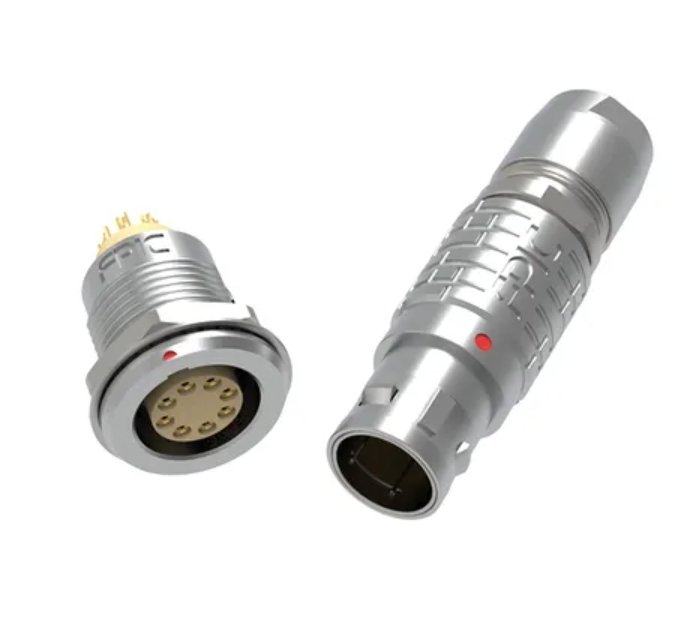
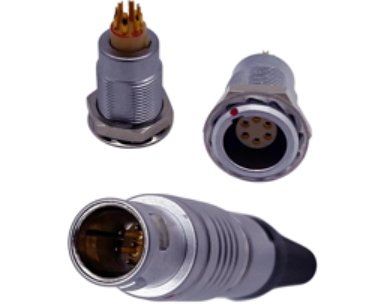
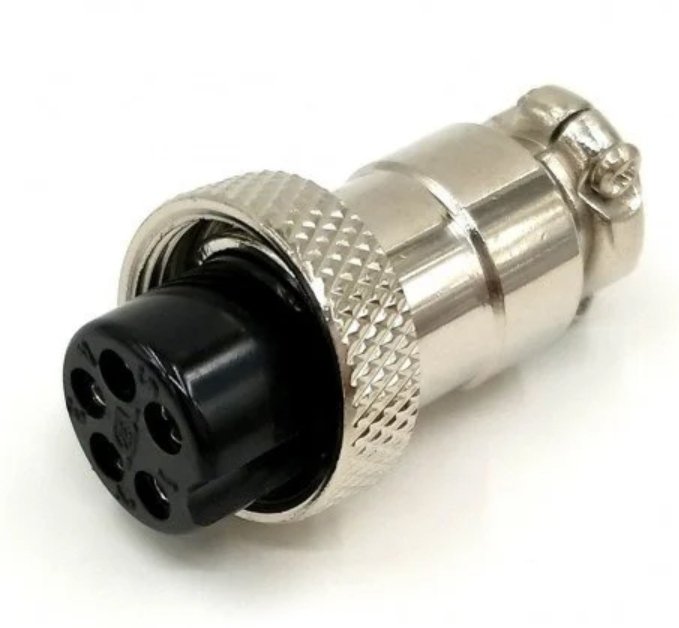
Metal connector housings are enclosures made from conductive metals that protect the internal terminals of a connector while offering added mechanical and environmental protection. They are typically used in industries where cable assemblies are exposed to high stress, harsh conditions, or electromagnetic interference.
A.Common Materials Used
Metal housings are most commonly made from materials like:
- Aluminum – Lightweight, corrosion-resistant, and easy to machine.
- Stainless Steel – Extremely durable and corrosion-resistant, ideal for harsh industrial or outdoor environments.
- Zinc Alloy – Cost-effective with good strength and moderate corrosion resistance.
Each material offers its own balance of weight, strength, cost, and protection depending on the application.
B.Key Advantages
Superior Shielding Against EMI/RFI: One of the most important benefits of metal housings is their excellent ability to block electromagnetic interference (EMI) and radio frequency interference (RFI), which is crucial in communication, aerospace, and medical applications.
High Mechanical Strength: Metal provides strong physical protection against impacts, vibration, and mechanical stress, ensuring long-term reliability.
Excellent Heat Resistance: Metal connector housings can withstand higher temperatures compared to plastic, making them suitable for high-heat environments such as automotive or industrial automation.
Better Durability in Harsh Environments: From dust and moisture to chemicals and extreme weather, metal housings offer greater resistance to environmental challenges, especially when properly sealed or coated.
C.Disadvantages
Despite their advantages, metal housings also come with some trade-offs:
- Heavier Than Plastic: Metal adds weight, which might be a concern in aerospace or handheld devices where every gram matters.
- More Expensive: Both the raw materials and manufacturing process for metal housings can be more costly than plastic alternatives.
- Prone to Corrosion Without Coating: Some metals, like steel, may rust or corrode if not treated with protective coatings or finishes.
- Complex to Machine or Mold: Unlike plastic, metal requires more advanced tooling and longer production times, which can impact lead time and design flexibility.
What are Plastic Connector Housings in Cable Assemblie
In the world of cable assemblies, choosing the right type of connector housing is essential to ensuring long-term performance, reliability, and cost-efficiency. While metal housings are known for strength and shielding, plastic connector housings are widely used across many industries for their flexibility, affordability, and versatility. Understanding their characteristics will help you decide if they’re the right fit for your project.
So, what are plastic connector housings in cable assemblies?
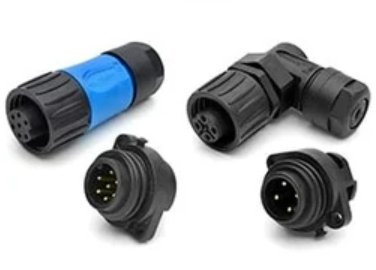
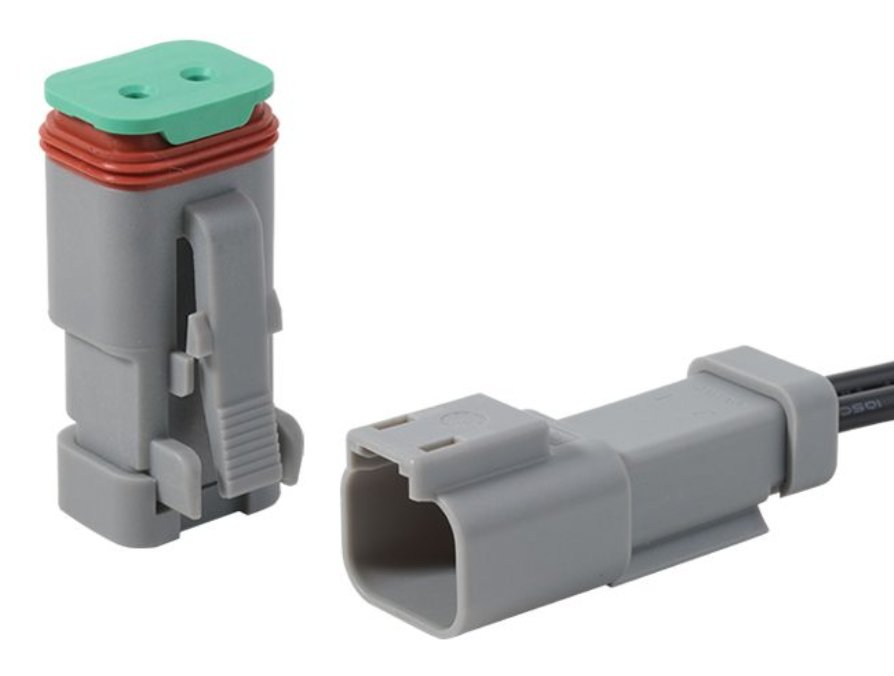
Plastic connector housings are non-metallic enclosures designed to hold and protect the terminals or contacts inside a cable connector. These housings provide mechanical structure, electrical insulation, and environmental protection for the internal components. They are commonly used in consumer electronics, automotive systems, home appliances, and many other applications where weight, cost, and ease of manufacturing are important.
A.Common Materials Used
Plastic housings are typically made from engineered polymers such as:
- PVC (Polyvinyl Chloride) – Affordable and easy to work with, used in a wide range of general-purpose applications.
- Nylon – Strong and flexible, with good resistance to wear and moisture.
- Polycarbonate – Known for impact resistance and clarity, often used in demanding applications.
- PBT (Polybutylene Terephthalate) – Offers high strength, thermal stability, and dimensional accuracy.
- Each material provides a different balance of flexibility, durability, and chemical resistance depending on the application.
B.Key Advantages
Lightweight and Cost-effective: Plastic housings significantly reduce the weight of cable assemblies, which is ideal for handheld, wearable, and portable devices. They are also more economical to produce in large volumes.
Resistant to Corrosion and Many Chemicals: Unlike metal, plastic does not rust and can resist exposure to moisture, oils, and many industrial chemicals.
Easy to Mold into Custom Shapes: Plastic offers greater design freedom. It can be injection-molded into complex, compact, or highly specific shapes, which is beneficial for customized designs and integrated features.
Good Insulation Properties: Plastics are naturally non-conductive, making them an excellent material for electrical insulation and reducing the risk of short circuits.
C.Disadvantages
Despite their advantages, plastic housings also have limitations:
- Lower Mechanical Strength: Compared to metal, plastic is more vulnerable to impact, pressure, and mechanical wear, which can be a concern in rugged or industrial environments.
- Limited Shielding: Plastic housings do not naturally block electromagnetic interference (EMI). Additional shielding materials or designs must be used if EMI protection is required.
- Can Degrade Under High Heat or UV Exposure: Prolonged exposure to extreme temperatures or ultraviolet light can cause plastic to warp, become brittle, or lose its insulating properties over time.
What are the main differences between metal and plastic connector housings?
When designing or selecting cable assemblies, one of the most important decisions involves choosing the right type of connector housing. Both metal and plastic housings are commonly used across various industries, but each comes with its own set of benefits and limitations. Understanding the key differences between the two can help ensure your cable assembly performs reliably in its intended environment.
So, what are the main differences between metal and plastic connector housings?
1.Material Properties
Metal housings are made from conductive materials such as aluminum, stainless steel, or zinc alloy. They offer excellent durability, strength, and electromagnetic shielding.
Plastic housings, typically made from PVC, nylon, polycarbonate, or PBT, are non-conductive, lightweight, and more flexible in terms of design.
2.Shielding Capabilities
Metal housings provide superior shielding against electromagnetic interference (EMI) and radio frequency interference (RFI), making them ideal for high-performance or signal-sensitive applications.
Plastic housings have limited natural shielding capabilities and often require additional components like metal inserts or external shielding to protect against EMI/RFI.
3.Mechanical Strength and Durability
Metal housings are highly resistant to mechanical stress, vibration, and impact, which makes them suitable for heavy-duty or industrial environments.
Plastic housings are less robust and can be more prone to damage from mechanical forces, although some engineering plastics offer good strength for light to medium-duty use.
4.Environmental Resistance
Metal housings perform well in harsh conditions including heat, chemicals, and UV exposure, but they can be prone to corrosion if not properly coated.
Plastic housings are naturally resistant to rust and many chemicals, but they may degrade over time when exposed to high temperatures or UV light.
5.Weight and Cost
Metal housings are heavier and generally more expensive to produce due to material cost and more complex manufacturing processes.
Plastic housings are lightweight and more cost-effective, especially in high-volume production, which makes them ideal for consumer electronics and portable devices.
6.Design Flexibility
Plastic housings can be molded into a wider variety of shapes and sizes, offering greater flexibility in design and integration.
Metal housings have more limitations in shape and complexity due to machining and molding constraints.
What Are the Common Applications of Metal Connectors?
In cable assemblies, the choice of connector materials isn’t just about durability, it’s also about the environment in which they’ll be used. Metal connectors are known for their strength, shielding, and resistance to extreme conditions, which makes them essential in many high-performance and high-risk applications. Let’s take a closer look at where metal connectors are commonly used and why they’re chosen.
What Are the Common Applications of Metal Connectors?
1.Automotive and Transportation
Metal connectors are widely used in vehicles, cars, trucks, trains, and even electric scooters,due to their ability to withstand vibration, heat, and moisture. They are often found in:
- Engine compartments
- Battery management systems
- EV charging systems
- Transmission control modules
Their EMI shielding capability is especially important for protecting sensitive signals in modern electronic control units.
2.Industrial Equipment
In factories and industrial automation systems, metal connectors ensure long-term reliability in environments exposed to oil, dust, temperature fluctuations, and mechanical stress. Common uses include:
- Robotics and CNC machinery
- Control panels
- Heavy-duty sensors and actuators
- Power distribution units
3.Military and Aerospace
These industries demand rugged and mission-critical components. Metal connectors are preferred because of their superior mechanical strength and shielding performance. You’ll find them in:
- Aircraft and drones
- Ground vehicles
- Communication equipment
- Defense-grade electronics
4.Medical Devices
Some high-end medical equipment uses metal connectors for applications where signal integrity and reliability are critical, such as:
- Diagnostic imaging systems
- Patient monitoring devices
- Surgical tools with electronic controls
In these cases, metal connectors are often paired with sterilizable and high-grade materials.
5.Telecommunications and Networking
For outdoor telecom infrastructure or high-speed data systems, metal connectors provide robust EMI protection and weather resistance. Applications include:
- Outdoor antennas
- Base stations
- Fiber-optic enclosures
- Satellite systems
6.Renewable Energy and Power Systems
In solar, wind, and energy storage systems, metal connectors are often used to manage high voltages and harsh outdoor conditions. You can find them in:
- Solar panel arrays
- Inverters
- Wind turbine control boxes
- Battery connectors for energy storage
What Are the Common Applications of Plastic Connector?
Plastic connectors have become an essential part of modern cable assemblies, offering a flexible and cost-effective alternative to metal connectors. While they may not be as strong or durable in extreme environments, plastic connectors provide reliable performance in many standard applications. Thanks to their light weight, insulating properties, and easy moldability, they are used across a wide range of industries.
What Are the Common Applications of Plastic Connectors?
Consumer Electronics
Plastic connectors are widely used in everyday electronic devices such as televisions, audio equipment, gaming consoles, and computers. Their small size, lightweight construction, and ability to be molded into compact shapes make them ideal for portable and space-limited products. Common examples include USB connectors, audio jacks, and internal board-to-board connections.
Home Appliances
In household equipment like washing machines, microwaves, refrigerators, and vacuum cleaners, plastic connectors are commonly used for power and signal connections. They offer excellent electrical insulation, are resistant to moisture and chemicals, and help reduce the overall weight of the appliance.
Automotive Interiors
While metal connectors are used in engine and power systems, plastic connectors are often used inside the vehicle for lower-stress applications. These include dashboard electronics, lighting controls, infotainment systems, and climate control modules. Their insulation performance and ease of installation make them suitable for interior use.
Industrial Controls and Automation
Plastic connectors are used in control systems where the environmental stress is moderate. They are found in programmable logic controllers (PLCs), control boards, sensors, and low-voltage signal cables. Their ability to be produced in various shapes and sizes allows easy integration into custom equipment designs.
Medical Devices
Many non-critical medical devices use plastic connectors to reduce weight and improve handling comfort. They are found in patient monitoring systems, diagnostic tools, and disposable instruments. Some plastic materials used in medical applications are specially formulated to meet biocompatibility and sterilization requirements.
Telecommunications and Office Equipment
Plastic connectors are frequently used in routers, modems, printers, and office automation devices. Their cost-effectiveness and design flexibility support the production of lightweight and compact communication devices.
Lighting and LED Systems
Plastic connectors are ideal for use in LED lighting systems, where compact design and low current levels are typical. They are used in indoor and outdoor fixtures, display panels, and decorative lighting installations.
What Are the Key Factors to Consider When Choosing Connector Housings in Your Cable Assembly?
Selecting the right connector housing is a critical part of designing a reliable and efficient cable assembly. While the contacts inside the connector handle the electrical connection, the housing is what protects, supports, and ensures the long-term performance of the entire assembly. The wrong choice can lead to poor durability, connection failures, or even system-wide malfunctions. To avoid these risks, several key factors should be carefully considered during the design and selection process.
What Are the Key Factors to Consider When Choosing Connector Housings in Your Cable Assembly?
1.Application Environment
The physical environment where the cable assembly will be used plays a major role in determining the housing material and design. Consider factors such as temperature range, humidity, exposure to water or chemicals, dust, UV light, and vibration. For harsh outdoor or industrial conditions, metal housings may be more appropriate. For indoor or controlled environments, plastic housings are usually sufficient.
2.Mechanical Strength Requirements
Evaluate how much physical stress the connector will experience during installation and operation. If the assembly will be subjected to pulling, bending, or frequent mating and unmating, choose a housing with high mechanical strength. Metal housings typically offer better resistance to wear and mechanical damage.
3.Electrical and Signal Requirements
For high-frequency signals or sensitive data transmission, shielding is essential to prevent electromagnetic interference. In such cases, metal housings or shielded plastic housings with integrated grounding features are recommended. Also, consider the number of contacts, voltage rating, and current carrying capacity.
4.Size and Space Constraints
If your application has limited space or requires a compact design, the size and shape of the connector housing become important. Plastic housings offer greater flexibility in custom shapes and are often more compact than metal ones.
5.Weight Considerations
In applications such as aerospace, handheld devices, or portable medical equipment, reducing weight is crucial. Plastic housings are much lighter than metal and are often preferred in weight-sensitive designs.
6.Cost and Production Volume
For high-volume production, cost efficiency is important. Plastic housings are generally more economical and easier to mold in large quantities. Metal housings, while more expensive, may offer longer service life and better performance in demanding conditions.
7.Corrosion and Chemical Resistance
If the connectors will be exposed to chemicals, oils, salt spray, or other corrosive agents, make sure the housing material can resist degradation. Plastic housings are naturally resistant to corrosion, while metal housings may require coatings or treatments.
8.Compliance and Certification Requirements
Depending on your industry, you may need connector housings that meet specific standards, such as UL, RoHS, or automotive and medical certifications. Always ensure the chosen housing complies with all necessary safety and performance regulations.
Yihetai’s Expertise in Custom Cable Assemblies
In today’s highly specialized industries, standard cable assemblies often do not meet the exact demands of unique applications. That is where custom solutions become essential. At Yihetai, we focus on designing and producing tailor-made wire harnesses and cable assemblies that match the specific requirements of your project. Whether your application requires metal or plastic connector housings, we have the capability, experience, and resources to deliver quality solutions that perform reliably in any environment.
Custom Design with Both Metal and Plastic Connector Housings
Yihetai offers fully customized cable assembly services using both metal and plastic connector housings. Whether your application calls for the strength and shielding benefits of metal or the flexibility and lightweight advantages of plastic, we can recommend and build the right solution to meet your technical and budget requirements. Every assembly is designed to ensure long-lasting performance and compatibility with your system.
More Than 23 Years of Industry Experience
With more than 23 years of experience in the wire harness industry, we have supported customers in a wide range of fields including automotive, medical devices, industrial automation, renewable energy, aerospace, and more. This depth of knowledge allows us to understand specific challenges, provide valuable recommendations, and deliver results that meet even the most demanding standards.
High Quality Material Selection
At Yihetai, quality starts with materials. We use only certified, high performance wires, insulation, terminals, and connector housings. Whether it is heat resistant insulation, corrosion resistant metals, or durable plastic compounds, every material is carefully chosen to ensure excellent electrical and mechanical performance across the lifespan of the product.
In House Engineering and Design Support
Our team provides full in house engineering and design services to help bring your concept to reality. From initial consultation and technical drawings to prototyping and final production, we work closely with you at every stage. This hands-on approach ensures smooth communication, reduced production time, and a finished product that fully meets your expectations.
Certified and Compliant with Global Standards
Quality and consistency are built into every process at Yihetai. We are certified under ISO 9001 2015, UL (E241405 and E241406), and IATF 16949, which means our products meet the highest global standards for manufacturing, safety, and reliability. You can trust us to deliver connector and wire solutions that are ready for integration into any global market.
At Yihetai, we believe that cable assemblies are more than just wires and connectors. They are critical to your product’s performance and reliability. Whether you need a high volume production run or a small batch of custom designs, we are ready to support you with expert advice, excellent materials, and complete quality control. Reach out today to explore how we can help bring your cable assembly projects to life.
FAQ:
Q1. Which is better for high-temperature environments—metal or plastic connector housings?
A1.:For high-temperature environments, metal connector housings generally perform better than plastic housings. Metal housings, typically made from materials such as aluminum, stainless steel, or zinc alloys, can tolerate much higher temperatures, often exceeding 125 degrees Celsius, without losing their structural integrity. They resist warping, melting, or degradation caused by heat, making them a reliable option for applications subjected to elevated temperatures.
Plastic connector housings, in comparison, are lighter and resistant to corrosion but usually cannot endure high heat as effectively. Most plastics used for housings begin to degrade or lose mechanical strength at temperatures above 85 to 90 degrees Celsius. Prolonged exposure to high temperature can cause plastics to deform or crack prematurely. Although some specialized thermoplastics are designed for higher temperature tolerance, they often still do not match the heat endurance of metal housings.
Consequently, for applications like industrial machinery, automotive engine compartments, aerospace, or heavy equipment where durability under high heat is crucial, metal connector housings are the better choice. Plastic housings may be appropriate for less extreme temperature conditions or where saving weight and cost is a priority, but their heat resistance is inherently more limited compared to metals.
Q2.Do metal housings provide better EMI protection than plastic connector?
A2.:Yes, metal housings generally provide better electromagnetic interference (EMI) protection than plastic connector housings. This is because metals are naturally conductive and can effectively act as a shield against electromagnetic waves by reflecting and grounding interference signals. Metal connector housings made from materials like aluminum, stainless steel, or copper alloys offer superior durability and EMI shielding, protecting sensitive electronic components in harsh or electrically noisy environments.
Plastic housings, on the other hand, are typically non-conductive and provide minimal EMI shielding on their own. To achieve EMI protection with plastic connectors, additional measures such as metal inserts, conductive coatings, or shielding components are often required. Recent advancements in conductive plastics incorporate metal fillers or carbon particles to improve EMI shielding, but they usually do not match the inherent effectiveness of metal housings.
Q3.Do both metal and plastic housings connector support waterproof sealing?
A3.:Both metal and plastic connector housings can support waterproof sealing when designed for this purpose. Manufacturers use various engineering techniques, such as incorporating rubber or silicone gaskets, O-rings, and specialized sealing rings, to create airtight barriers that prevent water ingress in both types of housings. For instance, connectors with IP67 or IP68 ratings are available in both metal and plastic versions, indicating reliable water and dust resistance suitable for outdoor or industrial applications.
The effectiveness of waterproof sealing ultimately depends on the connector design and quality rather than just the material. While metal housings may offer enhanced durability for long-term exposure to harsh environments, well-engineered plastic housings can also provide robust waterproof performance. Therefore, whether choosing metal or plastic housing, it is essential to verify the connector’s waterproof rating and sealing features to ensure suitability for your specific application.
Q4.Can metal and plastic connector housings be combined in a single cable assembly?
A4.:Yes, metal and plastic connector housings can be combined in a single cable assembly. This hybrid approach leverages the strengths of both materials to optimize performance, cost, and weight. For example, a connector may use a durable metal shell to provide rugged protection and EMI shielding, while incorporating plastic inserts or components to reduce weight and allow design flexibility.
Some manufacturers offer circular connectors with metal shells and thermoplastic inserts, which provide a balance of mechanical strength, environmental resistance, and electrical performance. This combination can achieve splash-proof sealing, improved durability, and ease of mating while controlling cost and weight.
Using mixed metal-plastic housings is common in industrial, aerospace, and military applications where specific performance standards must be met without excessive material costs or weight burden. Thus, a thoughtfully designed combination connector housing can meet varied application demands effectively.
Q5.Are metal connector housings better for harsh environment applications?
A5.:Yes, metal connector housings are generally better suited for harsh environment applications. Their inherent properties make them highly durable and capable of withstanding extreme conditions such as high impact, vibration, temperature fluctuations, and exposure to moisture, chemicals, and dust. Metals like stainless steel, aluminum, and titanium provide excellent resistance to corrosion and mechanical damage, ensuring the long-term reliability of electrical connections in challenging settings.
Moreover, metal housings enable effective electromagnetic interference (EMI) shielding, which is often critical in harsh environments to maintain signal integrity. Their robust construction also supports secure locking mechanisms that withstand vibration and shock, preventing accidental disconnection.
However, while metal housings offer superior protection, they can be heavier and more expensive than plastic alternatives. Plastic housings may offer better corrosion resistance in some aggressive chemical environments and are lighter but sometimes lack the mechanical resilience needed for very rugged conditions.
Industries such as military, aerospace, oil and gas, mining, and heavy industrial automation often prefer metal connector housings due to their durability and environmental resistance. Their design typically includes watertight seals, robust locking systems, and materials optimized for extreme temperature and chemical resistance, making them a reliable choice in harsh environments.
Q6.Can plastic housings handle mechanical stress as well as metal connector housings?
A6.:Plastic connector housings cannot generally handle mechanical stress as well as metal connector housings. Metal housings, typically made from materials like stainless steel or aluminum, provide superior mechanical strength, impact resistance, and durability. They are better suited for applications involving frequent connections and disconnections, rough handling, vibrations, or exposure to harsh environmental conditions.
Plastic housings are lighter and often more resistant to corrosion, but their mechanical strength is moderate compared to metals. Plastics can be prone to cracking or deformation under heavy stress, impact, or extreme temperatures. Advances in material science have led to high-performance plastics like glass-filled nylon that improve mechanical properties significantly, yet they still usually fall short of the robustness metal housings deliver.
Therefore, metal connector housings are preferred in rugged or industrial environments where mechanical stress is a critical concern, while plastic housings are more suitable for lightweight, corrosion-prone, or cost-sensitive applications where the mechanical demands are lower.
Q7.Can Yihetai provide custom solutions for both housing types?
A7.:Yes. Yihetai specializes in custom cable assemblies using both metal and plastic connector housings based on your needs.
Conclusion
When it comes to choosing between metal and plastic connector housings, the decision really depends on performance, cost, environmental conditions, and durability. Metal housings provide excellent shielding, mechanical strength, and resistance to harsh conditions. On the other hand, plastic housings are lightweight, more affordable, and ideal for less demanding environments.
From my point of view, the best choice always comes down to your specific application. Whether you are dealing with high temperatures, electromagnetic interference, or you need flexibility and weight reduction, it is important to consider all these factors carefully.
If you are unsure which housing material fits your project best, I invite you to get in touch. At Yihetai, we bring over 23 years of experience in custom cable assemblies and connector solutions. We are always ready to help you evaluate your needs and provide professional advice along with high-quality, tailored solutions. Contact us today to start your project with confidence.