
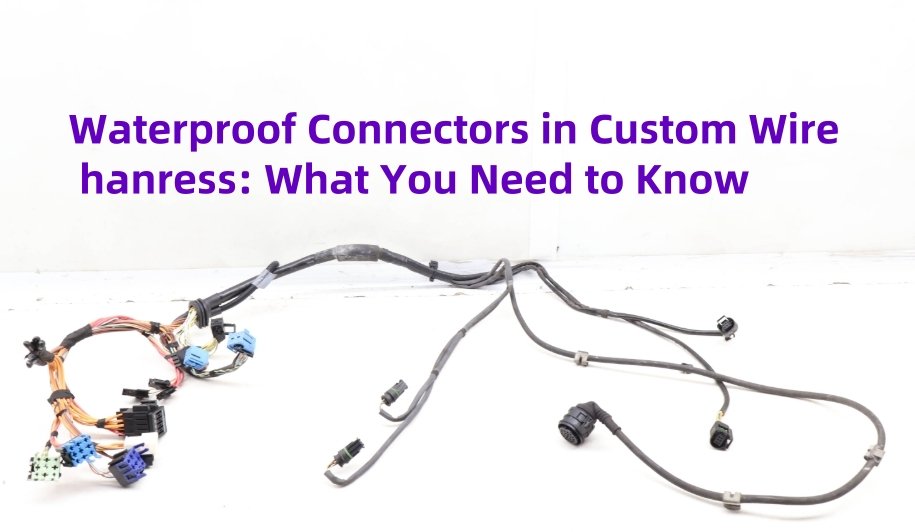
When I work on custom wire harnesses for small devices that operate in harsh environments, one challenge always comes to mind: protecting the internal wiring from external threats like moisture, dust, or extreme temperatures. These conditions are common in outdoor equipment, industrial tools, and even certain medical devices where performance must remain stable no matter what.
I have seen how a single water leak or poorly sealed connector can cause serious issues such as corrosion, signal loss, or even complete electrical failure. In compact designs where space is limited, every connection must be secure and reliable.
That is why I always focus on using waterproof connectors when optimizing ribbon cable assemblies for tough environments. They play a critical role in maintaining electrical integrity and ensuring long-lasting performance. In this post, I will share how I approach ribbon cable optimization to keep small devices safe, stable, and efficient in demanding conditions.
What Are Waterproof Connectors?
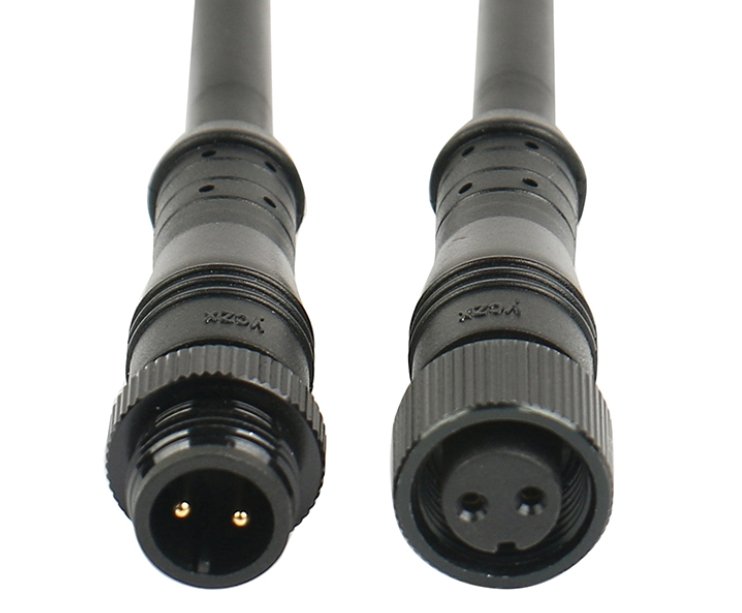
Waterproof connectors are specialized electrical connectors designed to maintain reliable connections in environments exposed to moisture, dust, and harsh conditions. Unlike standard connectors, waterproof connectors incorporate sealing mechanisms that prevent water and debris from entering the connection points, thereby avoiding short circuits, corrosion, and component failure.
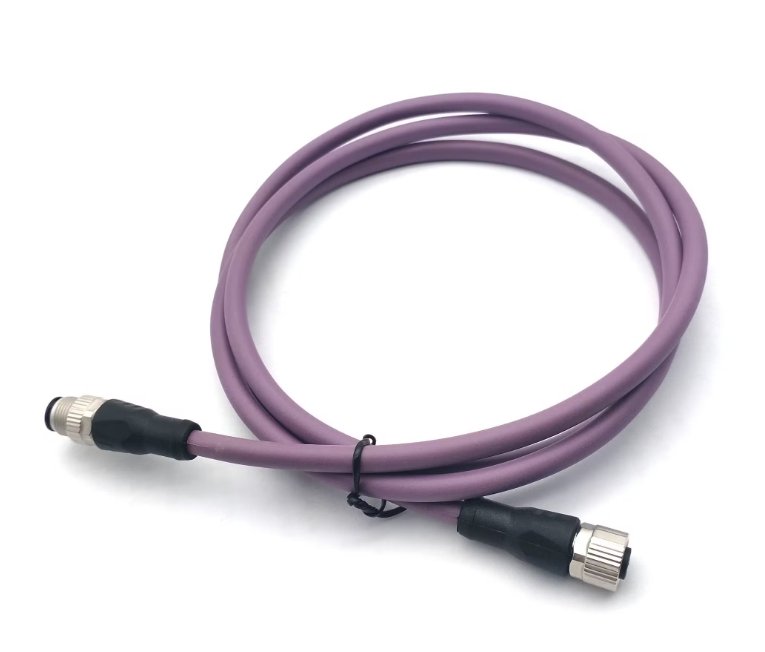
Common waterproof connector types are classified by their IP (Ingress Protection) ratings, such as IP67 and IP68, which indicate their resistance to dust and water. For example, an IP67-rated connector can withstand immersion in water up to one meter deep for a limited time, while IP68-rated connectors offer even higher levels of waterproofing, suitable for continuous submersion. Other widely used types include M-series connectors, which are rugged and often employed in industrial and outdoor applications.
Materials used in waterproof connectors contribute significantly to their durability and sealing capability. Silicone seals and gaskets provide flexible, watertight barriers around mating surfaces. Connector housings are commonly made from thermoplastics that are resistant to impact, UV radiation, and temperature extremes, ensuring long-lasting protection. Additionally, corrosion-resistant metals like stainless steel or plated alloys are often used for connector contacts and shells to enhance electrical reliability.
Together, these design features and material choices enable waterproof connectors to deliver secure, long-term electrical connections in challenging environments such as automotive, marine, industrial machinery, telecommunications, and outdoor electronics.
Why Waterproof Connectors Matter in Wire Harnesses?
Waterproof connectors play a vital role in wire harnesses, especially in applications exposed to challenging environmental conditions. These connectors provide essential protection ensuring the durability and reliability of electrical connections in situations where moisture, dust, and extreme temperatures could otherwise cause failures.
1.Protection Against Moisture, Dust, Chemicals, and Extreme Temperatures
Waterproof connectors feature specialized seals, gaskets, and rugged housings that create tight barriers against water ingress, dust, and chemical exposure. This protection prevents corrosion, short circuits, and degradation of electrical signals even in harsh weather or industrial environments. Materials used often resist extreme heat, cold, and chemical agents, further preserving connector integrity.
2.Applications in Outdoor, Industrial, and Automotive Environments
Waterproof connectors are crucial in outdoor lighting, agricultural machinery, marine equipment, automotive wiring, and industrial control systems. In automotive dashboards or engine compartments, they withstand vibration, temperature swings, and fluid exposure. In industrial automation and outdoor telecommunications, they ensure continuous operation despite dust, rain, or spray.
3.Risk of System Failure Without Proper Sealing
Without waterproof connectors, moisture ingress can cause short circuits, corrosion of metal contacts, and eventual connection failure. This can lead to system malfunctions, safety hazards, increased downtime, and costly repairs. Properly sealed connectors help maintain electrical integrity, minimize maintenance requirements, and extend equipment lifespan.
Which Types Of Industries Need Waterproof Cable Assemblies?
Waterproof cable assemblies are essential across many industries that require reliable electrical connections in challenging environments where exposure to moisture, dust, chemicals, or extreme weather conditions is common. Their robust design ensures consistent performance and protection against environmental hazards.
- Automotive: Waterproof cable assemblies are widely used in automotive applications such as headlights, sensors, and especially in electric vehicle (EV) battery systems. These cables ensure connectivity and safety even under conditions of temperature fluctuations, water splashes, and road debris.
- Marine and Outdoor Electronics: In marine environments, waterproof assemblies resist saltwater corrosion, submersion, and spray. Outdoor electronics like lighting, surveillance cameras, and communication systems also rely on waterproof cables to function reliably despite exposure to rain, dust, and UV radiation.
- Renewable Energy: Solar panels and wind turbines often operate in harsh outdoor settings where waterproof cable assemblies protect power and signal transmission components from moisture and physical damage, enhancing system longevity and performance.
- Medical Devices and Industrial Equipment: Medical equipment demands waterproof connectors and cable assemblies for sterilization resistance and reliable operation in humid or liquid-exposed environments. Industrial equipment in factories and processing plants benefits from waterproof assemblies that shield electrical connections from chemicals, dust, and washdowns.
- Smart Agriculture and IoT Sensors: With growing use of smart sensors and IoT devices in agriculture, waterproof cable assemblies help connect devices deployed in open fields. Protection against rain, soil moisture, and agricultural chemicals ensures accurate data collection and device longevity.
Key Features to Consider When Choosing Waterproof Connectors
When I help customers select the right waterproof connector for their wire harness project, I always emphasize that not all connectors are created equal. The right choice depends on your application’s environment, electrical demands, and long-term reliability expectations. To ensure your system performs reliably in harsh conditions, here are the most important features to consider when evaluating waterproof connectors.
1.IP Rating and Level of Protection
The Ingress Protection (IP) rating tells you how well a connector resists water and solid particles. For example, IP67 connectors can withstand temporary immersion in water, while IP68-rated connectors are suitable for prolonged submersion. Choosing the right IP rating depends on whether your connector will face rain, water spray, submersion, or exposure to dust and debris. Always match the rating to your specific environment.
2.Cable Gauge and Current Rating Compatibility
A good waterproof connector must support the correct cable gauge and handle the required current without overheating or voltage drop. Matching the connector to the right wire size ensures electrical safety and performance. I always advise confirming the amperage and voltage requirements of your system before selecting your connector model.
3.Connector Locking Mechanism
Secure locking is essential to prevent accidental disconnection and to maintain a watertight seal. Depending on your application, you might choose from bayonet locks, threaded couplings, or snap-fit mechanisms. A strong, vibration-resistant lock helps ensure that the connector remains securely mated even in mobile or high-vibration environments.
4.Durability and Resistance to Vibration
For outdoor or automotive use, connectors must withstand vibration, shock, and mechanical stress. Look for rugged designs with reinforced housings made from high-impact plastic or metal. I also recommend connectors tested for temperature cycling, UV exposure, and salt spray to ensure long-term durability.
5.Ease of Assembly and Maintenance
Finally, consider how easy it is to install, service, or replace the connector. Some designs support tool-free assembly or offer modular inserts for quick configuration. If maintenance or field repairs are expected, quick-connect designs can save time and reduce downtime in the long run.
How to Integrate Waterproof Connectors into Custom Wire Harness Design?
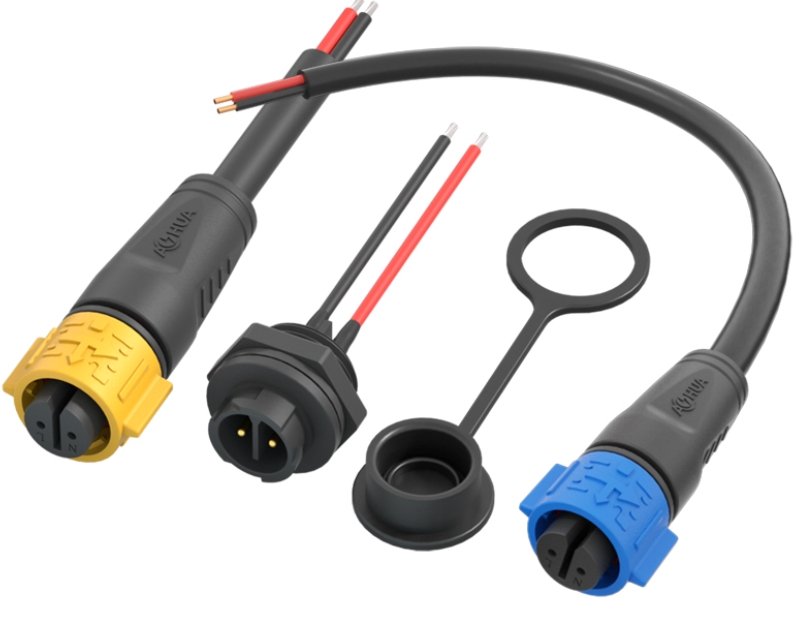
When I design a custom wire harness for harsh environments, integrating waterproof connectors is not something I leave for later. It is a crucial part of the design from the very beginning. Simply choosing a waterproof connector does not guarantee protection. The way it is installed, sealed, and tested matters just as much. To ensure long-term reliability and electrical safety, I focus on several important steps during the integration process.
1.Planning for Environmental Exposure
The first thing I consider is the environment where the wire harness will be used. Will it face rain, submersion in water, extreme heat, or chemical exposure? Will it be exposed to continuous vibration or sunlight? These conditions influence the selection of connector type, sealing method, and cable routing. Early planning allows the design to include proper protection based on real-world use.
2.Proper Sealing and Overmolding Techniques
One of the most common failure points is poor sealing. I make sure each connector is either sealed during production or protected with overmolding, which adds a layer of plastic or rubber over the connection area. This method strengthens the bond between the cable and connector and keeps out water or dust. Additional components like sealing boots or O-rings are often used to enhance protection.
3.Testing for Waterproof Performance
After the harness is built, it must be tested to ensure it truly meets waterproof standards. I recommend using immersion tests, pressure resistance tests, and water spray tests depending on the expected conditions. These tests simulate what the harness will face in real applications and help identify weak points before the product is shipped.
4.Collaboration with Wire Harness Manufacturers for Design Validation
I always work closely with experienced manufacturers during the design phase. Their knowledge and feedback help me choose the right connectors, materials, and sealing methods. At Yihetai, we have the tools, expertise, and certifications to validate your design and make sure everything works as expected from the beginning.
By following these steps, I ensure that waterproof connectors are properly integrated into custom wire harnesses. This approach reduces the risk of failure and provides lasting protection in any environment.
Common Mistakes to Avoid When Using Waterproof Connectors in Wire Harnesses
In many projects, choosing a waterproof connector is only the first step. I have seen cases where the connector itself was rated for harsh environments, but the overall wire harness still failed because of poor installation or incorrect design choices. To make sure a waterproof solution works reliably over time, it is important to avoid below 5 common mistakes.
1.Choosing the Wrong IP Rating
One of the most common problems is selecting a connector with an IP rating that does not match the real application environment. For example, a connector that performs well against splashing water may not be suitable for repeated washdowns or temporary submersion. I always recommend evaluating the actual operating conditions before choosing between options such as IP67 or IP68.
2.Ignoring Cable Entry Sealing
Even when the connector itself is waterproof, the cable entry point can become a weak spot if it is not properly sealed. Without the right grommets, boots, or overmolding, moisture can still enter the assembly and damage the conductors. A complete waterproof design must protect the entire connection area, not just the connector housing.
3.Using Incompatible Materials
Another mistake is combining materials that do not perform well together in demanding environments. Some plastics may crack under UV exposure, while certain metals may corrode when exposed to chemicals or salt spray. I always pay close attention to housing materials, sealing components, and contact plating to ensure long-term compatibility.
4.Overlooking Vibration and Mechanical Stress
In automotive, industrial, and outdoor equipment, vibration can loosen poorly matched connectors or damage internal contacts over time. A connector may be waterproof, but if it does not have a secure locking mechanism or proper strain relief, it may still fail in the field. Mechanical strength is just as important as sealing performance.
5.Skipping Real-World Testing
Some teams rely only on datasheets and assume the connector will perform as expected. In my experience, real-world testing is essential. Water spray tests, immersion tests, pull tests, and electrical continuity checks help verify that the harness will survive actual operating conditions before mass production begins.
By avoiding these mistakes early in the design process, manufacturers can improve product reliability, reduce maintenance issues, and prevent costly field failures. This is why working with an experienced custom wire harness manufacturer is so important when designing waterproof cable solutions.
What Are The Benefits Of Using Waterproof Connectors In Wire Harnesses?
In my experience working with customers across industries, one of the smartest upgrades you can make to a wire harness design is choosing waterproof connectors. While they may seem like a small component, they play a critical role in protecting your entire electrical system. Whether your product is used outdoors, in vehicles, or in industrial environments, waterproof connectors can greatly improve its reliability and lifespan. Let me explain 4 keys benefits in more detail.
1.Enhanced Durability and Longer Product Life
Waterproof connectors safeguard against moisture ingress and environmental stress, which can cause corrosion or electrical failures. This protection extends the lifespan of connectors and the entire wire harness, reducing the frequency of repairs or replacements and lowering maintenance costs.
2.Protection Against Corrosion, Dust, and Debris
Sealed waterproof connectors prevent contaminants such as dust, dirt, and chemical residues from entering connection points. By keeping the contacts clean and intact, they avoid degradation that can lead to intermittent connections or complete failure.
3.Reliable Signal and Power Transmission
Maintaining a clean, dry connection ensures consistent electrical contact, minimizing signal loss, interference, or power interruptions. Waterproof connectors help preserve the integrity of data and power transfer, which is crucial for sensitive electronics and safety-critical applications.
4.Compliance with Safety Standards
Many industries require components to meet strict safety and environmental standards. Waterproof connectors often meet certifications such as IP ratings or other regulatory requirements, ensuring the wire harness design adheres to industry best practices and legal mandates.
What Are The Important Considerations When Choosing Waterproof Connectors?
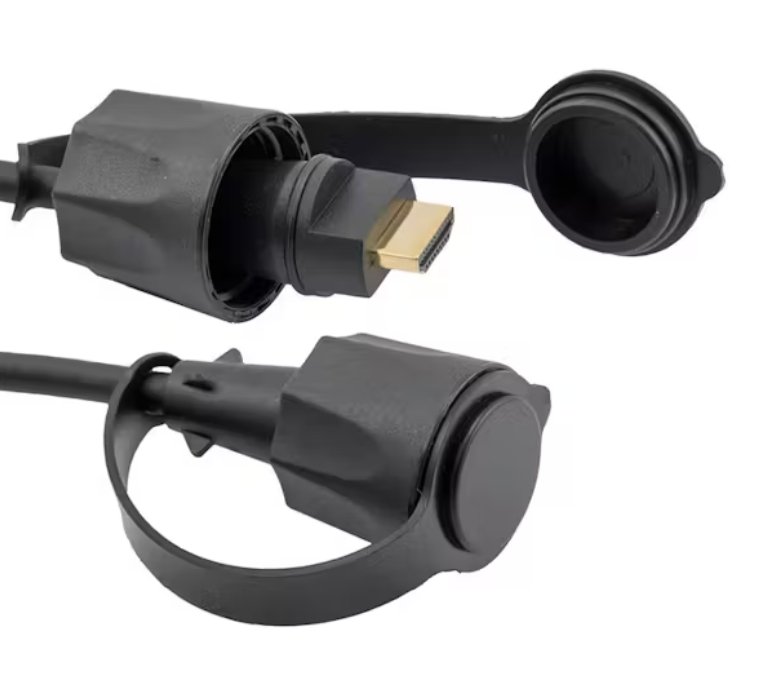
When choosing waterproof connectors, it is important to carefully evaluate several factors to ensure the connectors meet the specific needs of your application and provide reliable, long-lasting performance. Selecting the right connector involves more than just waterproofing capability; it requires a comprehensive consideration of electrical, mechanical, and environmental criteria.
7Keys considerations include:
1.Ingress Protection (IP) Rating
Understand the IP rating system to select connectors with appropriate dust and water resistance, such as IP67 for temporary water immersion or IP68 for continuous submersion. The rating should match the environmental exposure the connector will face.
2.Material and Build Quality
Choose connectors made from durable materials like high-quality plastics (e.g., nylon, thermoplastic elastomers) or metal housings, which resist corrosion, impact, vibration, and temperature extremes to withstand harsh conditions.
3.Electrical Specifications
Verify compatibility regarding voltage, current ratings, and contact resistance. Connectors must safely handle the electrical load without overheating or signal degradation.
4.Mechanical Design and Locking Mechanism
A secure and easy-to-use locking mechanism (threaded, bayonet, or push-pull) prevents accidental disconnections and ensures consistent contact under vibration and mechanical stress.
5.Size and Compatibility
Ensure connectors fit within the spatial constraints of your device and mate properly with cables and equipment. Consider pin counts, cable gauge compatibility, and ease of assembly.
6.Ease of Installation and Maintenance
Features that simplify installation, such as clear pin identification, color coding, and tool-less assembly, help reduce errors and maintenance time.
7.Manufacturer Reliability and Certification
Choose connectors from reputable manufacturers who provide certifications and quality assurance, guaranteeing performance according to industry standards.
Why Work with a Professional Custom Harness Manufacturer like Yihetai?
Creating a reliable wire harness, especially one that must perform in challenging environments, takes more than just assembling wires and connectors. It requires engineering expertise, deep understanding of materials, and a strong commitment to quality. I always tell our customers that working with an experienced manufacturer can save time, reduce costs, and ensure long-term performance. Here is why choosing Yihetai makes a real difference for your waterproof wire harness projects.
1.Experience with Waterproof Assemblies Across Industries
Yihetai has more than 23 years of experience producing waterproof wire harnesses for various industries. Whether you are in automotive, outdoor lighting, industrial automation, or medical equipment, we understand the conditions your products will face. This allows us to design solutions that are both practical and dependable.
2.Certified Quality Control Processes
We follow strict quality control standards under ISO 9001 and IATF 16949 certifications. Every step of our process is carefully monitored to ensure that your harnesses meet international safety and performance requirements. Our team is focused on delivering consistent quality for every project, no matter the size.
3.Custom Connector Sourcing and Overmolding Capabilities
Not every project can use off-the-shelf parts. If you need a specific connector or sealing method, we can source or design it based on your needs. Our in-house overmolding capability allows us to create fully sealed connections that offer protection, strength, and a professional finish.
4.Full Testing for Waterproof and Electrical Performance
Before shipping, each waterproof harness goes through complete testing. We check insulation resistance, electrical continuity, and sealing performance using immersion or pressure tests. This ensures that every unit is ready for real-world use and meets your exact standards.
If you are planning a new project and need a trusted manufacturer who understands both technical detail and customer support, I invite you to contact us at Yihetai. We are ready to build something that works perfectly for your environment and application.
Conclusion
Selecting the right waterproof connectors is not just a technical step, it is a key decision that directly impacts the safety, reliability, and lifespan of your custom wire harness. I have seen firsthand how the wrong connector can lead to water damage, signal failure, and expensive downtime.
That is why my best advice is to work with a manufacturer you can trust. A reliable partner understands the importance of both performance and protection, and will guide you in choosing the right materials, connection methods, and sealing techniques for your application.
At Yihetai, we offer more than just products. We provide complete waterproof harness solutions tailored to your specific needs. With full in-house design, assembly, and testing capabilities, we make sure every connection is built to last.
I invite you to contact us today for expert consultation or to explore a custom waterproof harness solution that fits your exact requirements.
Read more: Waterproof Connectors in Custom Wire hanress: What You Need to KnowRelated Blogs:
- How to Design a Custom Wire Harness for Harsh Environments?
- How to Choose Between Metal and Plastic Connector Housings for Your Cable Assembly Needs?
- Choosing the Right JST Cable Assembly for Your Application A Complete Guide
- Flat Cable vs Round Cable in Consumer Electronics: Which Is Better for Your Needs?
- What Is an OBD Cable and How Does It Work?